Renovation Blog

Published
2025/09/16 at 6:28 pm

From your first renovation to making every remodel count.

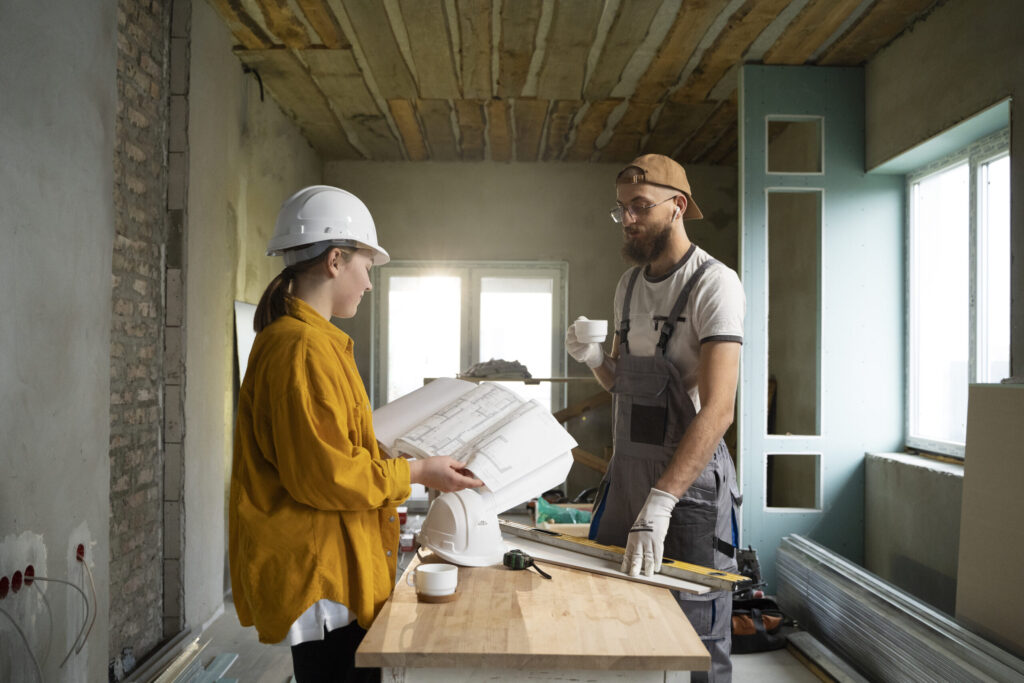
Modern home renovation project


Quick Summary / Key Takeaways

If you only remember 5 things from this guide, let these be them:

  • Every renovation does more than change appearance it adds value through improved function, aesthetics, energy efficiency, and appeal.
  • Clear planning, realistic budgeting, and choosing the right materials and trades are essential to avoid hidden costs and delays.
  • The renovation strategy should match your goal: resale, rental, enjoyment, or long-term investment.
  • Time management and hiring skilled contractors make or break profit margins and final quality.
  • Sustainability, smart upgrades, and quality finishes often pay off in comfort, reduced future maintenance, and higher market value.


Table of Contents

  1. What is Renovation and Why It Matters
  2. Different Types of Renovation Projects
  3. Setting Goals: Why Are You Renovating?
  4. Planning & Budgeting the Right Way
  5. Choosing Materials, Trades & Quality vs Cost
  6. Managing the Process: Timeline, Permits, Contractors
  7. Value-Adding Upgrades (What Gives Best Return?)
  8. Risks, Mistakes & How to Avoid Them
  9. Sustainability & Energy-Efficiency Considerations
  10. After the Reno: Maintenance, Inspections & Long-Term Value

1. What is Renovation and Why It Matters

Renovation isn’t just cosmetics. When done well, renovation:

  • Boosts property value – resale or rental value often increases significantly.
  • Improves comfort & usability – modern layouts, better lighting, safer structures, more functionality.
  • Reduces long-term costs – upgrading systems (plumbing, electrical, insulation) prevents future repair bills.
  • Makes the property more attractive – to buyers or renters; curb appeal & modern features go a long way.

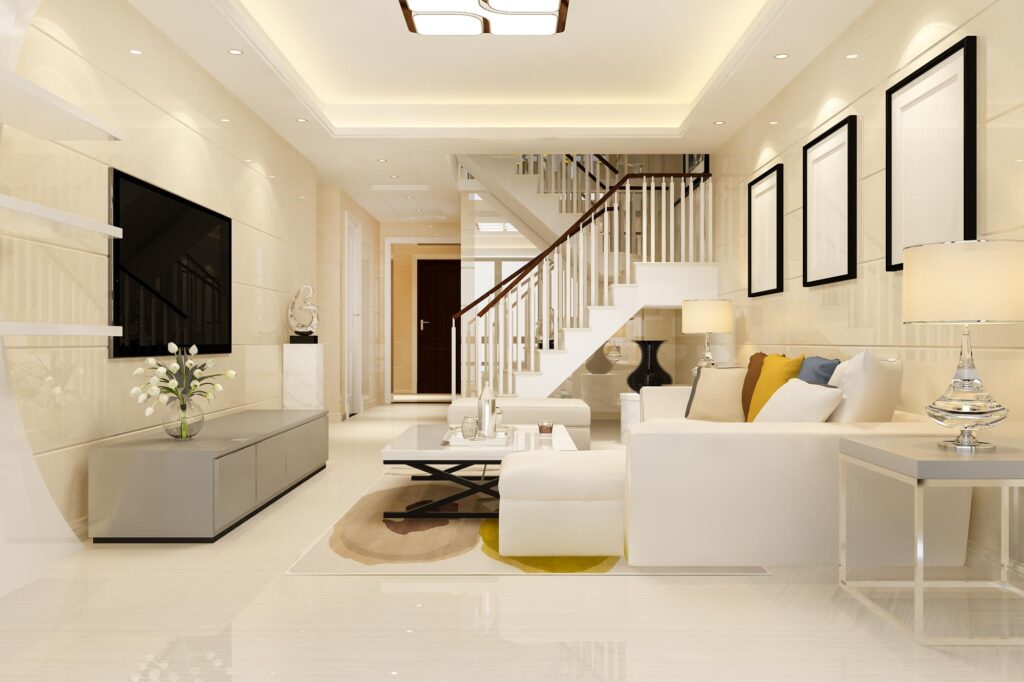
Modern home renovation project

2. Different Types of Renovation Projects

TypeWhat it IncludesScopeBudget / Time Implication*
Cosmetic FaceliftPaint, flooring, minor fixes (doors, fixtures)Low-midLower cost, quicker turnaround
Moderate UpgradeKitchen/bathroom updates, windows, lighting, better finishesMidModerate cost; more coordination required
Full RenovationStructural changes, layout reconfigs, plumbing/electrical overhaul, additionsHighLarger time & cost; more complex
Restoration / HeritagePreserving original features, specialized materialsVariesCan be costly; requires specialists and permits

*Implications depend heavily on location, materials, contractor rates, and unforeseen issues.

3. Setting Goals: Why Are You Renovating?

Your goals dictate almost every decision. Some possibilities:

  • Resale Value: What buyers want in your area; aim for features with high return.
  • Rental Income: Durability, low maintenance, tenant-friendly design.
  • Personal Enjoyment: Custom finishes, design details, comfort.
  • Long-term Investment: Focus on quality, energy efficiency, minimal future maintenance.

Ask yourself: Who will use this space? How much time/money are you willing to invest? What do others in your neighborhood do?

4. Planning & Budgeting the Right Way

  • Assessment & Inspection: Identify structural issues, plumbing, electrical, roofing, foundation, moisture.
  • Budgeting: Include materials, labor, permits, design fees, contingency (usually 10-20% of budget).
  • Timeline Planning: Consider lead times for materials, hiring, inspections, weather delays.
  • Permits & Regulations: Local building codes, zoning, safety standards. Don’t skip permits—it can cost more later.

5. Choosing Materials, Trades & Quality vs Cost

  • Materials: Look for durability, warranties, local availability. Cheap materials may cost more later.
  • Trade contractors: Get multiple quotes; check credentials, past work, references.
  • Finish quality vs cost: Sometimes spending a bit more on finishing (trim, paint, fixtures) can have a huge visual impact for a small extra cost.


6. Managing the Process

  • Schedule & milestone tracking: Break the project into phases (demolition, rough-in, finishes, inspection).
  • Communication: Regular updates between homeowner, contractor, any subcontractors.
  • Quality control & inspections: Don’t wait until end to spot issues.
  • Handling problems: Unforeseen like mold, wiring issues be prepared financially and schedule-wise.

Modern home renovation project

7. Value-Adding Upgrades

Here are upgrades that tend to give the best return in many markets:

  • Kitchen and bathroom remodels
  • Improving curb appeal (landscaping, front door, exterior paint)
  • Adding or improving windows for natural light
  • Upgrading to energy-efficient heating/cooling / insulation
  • Smart home features (lighting, security)

Choose upgrades aligned with your goal (resale, rental, or comfort).

8. Risks, Mistakes & How to Avoid Them

Common ProblemWhy it HappensPrevention Strategy
Cost overrunUnderestimating costs, hidden damageDetailed inspections, contingency budget, realistic quotes
Timeline delaysPoor planning, waiting for materials, contractor issuesBuild buffer time, order early, clear deadlines
Poor workmanshipCheap/unqualified trades, cutting cornersVet trades, inspect work in progress, use good materials
Regulatory issuesNot getting permits, violating codesResearch local rules, get required approvals in advance

9. Sustainability & Energy-Efficiency Considerations

  • Insulation: walls, attic, floors
  • Energy-efficient windows, doors
  • LED lighting, energy-star appliances
  • Water saving plumbing fixtures
  • Sustainable materials (recycled, low-VAC paints, Eco-friendly flooring)

These not only help reduce bills but appeal to modern buyers & tenants.

10. After the Reno: Maintenance, Inspections & Long-Term Value

  • Regular maintenance schedule to protect value clean, check seals, inspect roofing/plumbing annually.
  • Post-project inspection: verify everything works as planned.
  • Keep records: cost, materials, warranties. These help for resale or future renovations.
  • Plan future upgrades strategically rather than unnecessary small fixes constantly.

Frequently Asked Questions

  1. How much should I budget for unexpected costs?
    Answer: At least 10-20% of overall renovation budget should be reserved for unforeseen issues (hidden water damage, electrical, permit delays, etc.).
  2. How long does a typical moderate kitchen or bathroom renovation take?
    Answer: Usually 4-8 weeks, depending on size, material lead times, and extent of plumbing/electrical work.
  3. Is it better to do renovations myself or hire professionals?
    Answer: Depends on your skill, time, tools and how critical quality is. Some tasks (painting, simple flooring) might be doable; structural, electrical, plumbing usually better left to pros. Poor DIY can reduce value or cause problems.
  4. Which renovations give the highest ROI?
    Answer: Kitchens, bathrooms, curb appeal often give high return; energy efficiency upgrades are growing in value; avoid overly personalized features if resale is the goal.
  5. Are Eco-friendly renovations costlier?
    Answer: Upfront cost may be higher, but savings in energy, maintenance, and attracting tenants/buyers often offset. Many sustainable options are now more affordable.

Modern home renovation project

Conclusion

Renovation isn’t just about changing walls or floors it’s about planning smart, investing wisely, and making improvements that last. With the right strategy, clear goals, realistic budget, quality execution, and attention to value-adding features, your renovation projects can maximize returns whether for resale, rental, or personal enjoyment.