Basement Renovation Blog

Published
2025/09/16 at 7:35 pm

From unused storage to livable, income-generating space.


Quick Summary / Key Takeaways

If you only remember 5 things from this guide, let these be them:

  • A basement renovation adds usable square footage family space, rental unit, or entertainment hub.
  • Planning for moisture, ventilation, and insulation is critical for long-term success.
  • Layout should fit your goals: home office, rental suite, gym, theater, or guest room.
  • Budget realistically plumbing, electrical, and waterproofing are major cost drivers.
  • A finished basement increases property value and market appeal significantly.

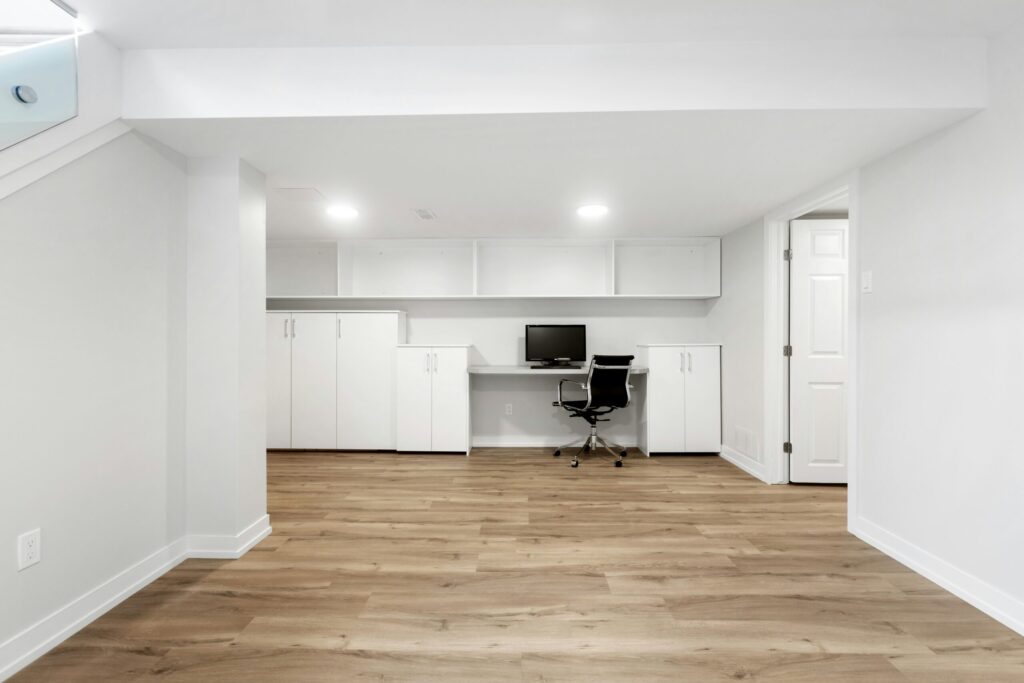
Modern home renovation project


Table of Contents

  1. Why Basement Renovations Matter
  2. Types of Basement Renovation Projects
  3. Defining Your Basement Goals
  4. Planning & Budgeting Considerations
  5. Moisture, Insulation & Safety Essentials
  6. Layout & Design Ideas
  7. Choosing Materials & Finishes
  8. DIY vs Professional Help
  9. Mistakes to Avoid
  10. Value-Adding Features
  11. Maintenance & Long-Term Care

1. Why Basement Renovations Matter

  • Maximizes home space: Converts unused areas into living or income-producing rooms.
  • Increases resale value: Buyers love finished basements especially those with a separate entrance or rental suite.
  • Flexibility: Can serve as a home theater, gym, guest suite, office, or kids’ play area.
  • Energy efficiency: Proper insulation reduces energy bills.

2. Types of Basement Renovation Projects

TypeWhat’s InvolvedScope & Cost
Basic FinishFlooring, drywall, paint, lightingLow
Full RenovationPlumbing, electrical, flooring, layout redesignMedium
Rental Suite / Secondary UnitKitchen, bathroom, private entrance, full layoutHigh
Specialty ConversionGym, theater, office, bar, entertainment roomVaries

3. Defining Your Basement Goals

  • Rental income: Add kitchen, bathroom, and private access.
  • Family expansion: Create bedrooms, playroom, or family lounge.
  • Luxury use: Theater, gym, bar, games room.
  • Practical use: Storage, laundry, or office.


4. Planning & Budgeting Considerations

  • Moisture control: Waterproofing and drainage must be addressed before finishes.
  • Budget allocation:
    • Framing, drywall, flooring: ~30%
    • Plumbing & electrical: ~20%
    • Kitchen & bath (if included): ~25%
    • Finishes & design: ~15%
    • Contingency: ~10–15%
  • Timeline: 6–12 weeks depending on scope.

5. Moisture, Insulation & Safety Essentials

  • Install proper waterproofing and sump pump if required.
  • Use insulation to regulate temperature and reduce noise.
  • Ensure fire safety: smoke detectors, proper exits (egress windows if bedrooms).
  • Adequate ventilation to prevent mold and musty smells.


6. Layout & Design Ideas

  • Open family room with entertainment system.
  • Guest bedroom with ensuite bathroom.
  • Home office with natural light and soundproofing.
  • Gym or wellness studio.
  • Full apartment/rental suite.

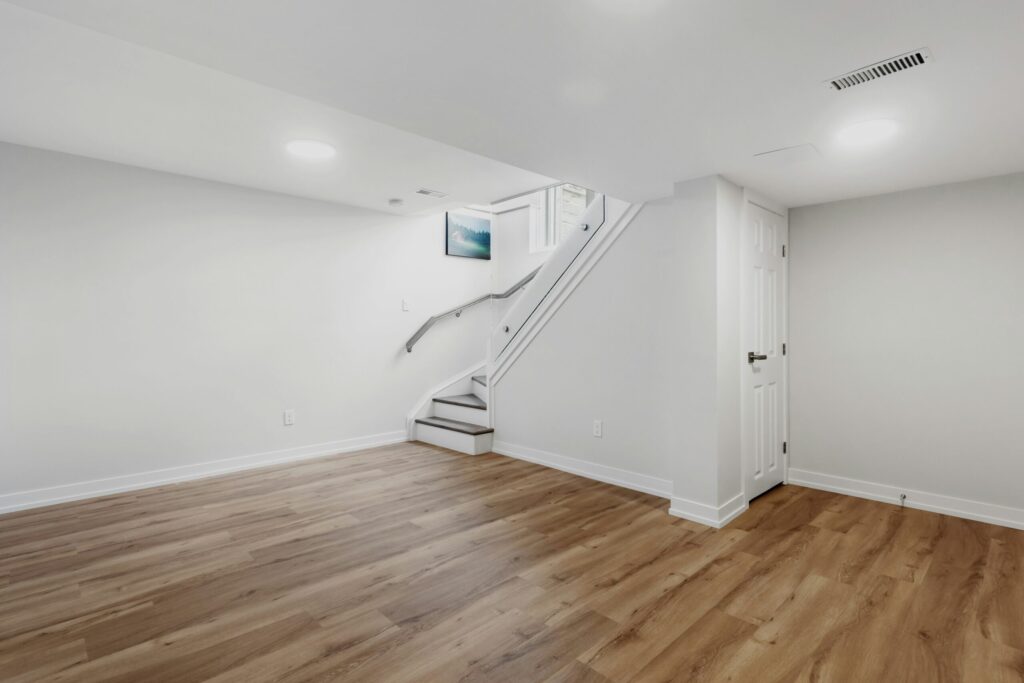
Modern home renovation project

7. Choosing Materials & Finishes

  • Flooring: Vinyl plank, engineered wood, or tiles (avoid standard hardwood due to moisture).
  • Walls: Moisture-resistant drywall.
  • Ceiling: Drop ceilings for easy access to utilities, or drywall for a polished look.
  • Lighting: Recessed lights work best in basements with low ceilings.

8. DIY vs Professional Help

  • DIY: Painting, flooring installation, simple framing.
  • Hire pros: Plumbing, electrical, waterproofing, structural modifications.
  • General contractor: Recommended for full rental suite or multi-room projects.

9. Mistakes to Avoid

  • Ignoring waterproofing and ventilation.
  • Using unsuitable flooring like carpet or hardwood.
  • Poor lighting design basements need bright, layered lighting.
  • Low ceilings without considering comfort and headroom.
  • Not meeting building code requirements for bedrooms or rental units.

10. Value-Adding Features

  • Bathroom or powder room.
  • Kitchenette or full kitchen for rentals.
  • Separate entrance for rental unit.
  • Smart storage solutions.
  • Built-in bar, theater, or entertainment wall.

11. Maintenance & Long-Term Care

  • Regularly check for leaks, dampness, or mold.
  • Maintain HVAC and ventilation systems.
  • Keep drains and sump pumps clean and working.
  • Touch up finishes as needed.

Frequently Asked Questions

Q1. Does a basement renovation increase home value?
Yes—finished basements often deliver high ROI, especially if converted to living or rental space.

Q2. How do I deal with low ceilings?
Use recessed lighting, light colors, and low-profile furniture. Dropped ceilings may work if carefully designed.

Q3. Is waterproofing really necessary?
Absolutely skipping waterproofing leads to moisture damage, mold, and ruined finishes.

Q4. Can I build a rental unit in my basement?
Yes, but you’ll need proper permits, fire exits, and compliance with local zoning laws.

Q5. What flooring is best?
Vinyl plank and tile are durable and moisture-resistant better than carpet or hardwood.


Conclusion

A basement renovation unlocks hidden potential in your home turning unused square footage into valuable, functional, and beautiful space. With proper planning, moisture control, skilled contractors, and smart design, your basement can become one of the most rewarding transformations in your home.