Bathroom Renovation Blog

Published
2025/09/16 at 7:09 pm

From your first remodel to achieving a bathroom that impresses and lasts.


Quick Summary / Key Takeaways

If you only remember 5 things from this guide, let these be them:
  • A well-planned bathroom renovation improves comfort, functionality, and home value.
  • Choosing the right layout, fixtures, materials, and finishes is more important than chasing style alone.
  • Budget realistically—include hidden costs like plumbing, waterproofing, and permit fees.
  • Proper waterproofing, ventilation, and quality workmanship prevent costly issues later.
  • Value-adding upgrades (efficient fixtures, good lighting, storage, neutral timeless design) often give the best returns.

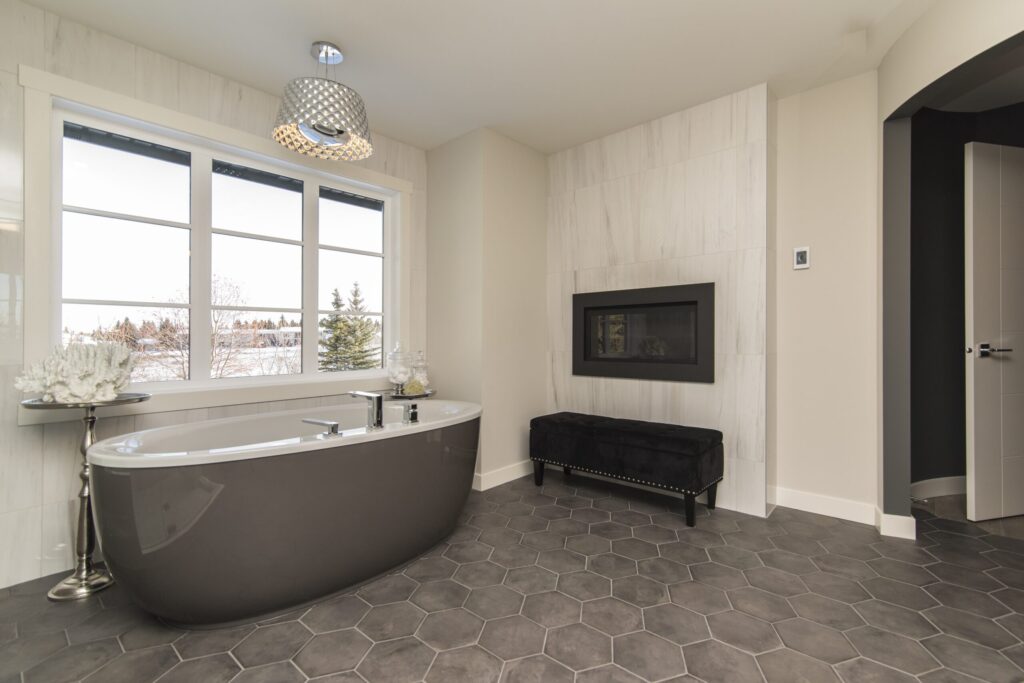
Modern home renovation project


1. Why Bathroom Renovations Matter

Bathroom renovations are among the most impactful home improvements because:

  • Resale / market value: Bathrooms are high on buyer priorities. A fresh, modern bathroom can often tip the scales in selling or attracting renters.
  • Daily usability: A well-designed bathroom improves comfort and convenience—good lighting, adequate space, storage, and ease of cleaning make a difference.
  • Maintenance & health: Upgrading plumbing, waterproofing, ventilation reduces risk of mold, leaks, dampness, structural damage.
  • Energy & water savings: New fixtures, efficient showers, and low-flow fittings reduce utility bills and environmental footprint.


2. Knowing the Types of Bathroom Projects

TypeWhat’s InvolvedScope & Cost
Cosmetic/RefreshPaint, new mirror, fixtures (tapware, towel racks), perhaps new tiles or flooring but same layout.Lower cost, shorter time. Great if the structure is sound.
Mid-Level RemodelReplace vanity, bathtub or shower, upgrade lighting, possibly change layout slightly.Moderate budget; more plumbing/electrical work.
Full-Scale RenovationMajor layout changes, moving plumbing or walls, new shower or tub, new flooring, ceiling, lighting, ventilation.High cost; longest duration.
Accessibility / Universal DesignWalk-in showers, grab bars, non-slip flooring, wider doors.Varies depending on adjustments; important for longevity and usability.

3. Defining Your Renovation Goals

Ask yourself:

  • Is it for resale or rental, or for your own long-term comfort?
  • How many people use it, and what are their needs (children, elderly, guests)?
  • Do you prefer modern/minimalist style, spa-like luxury, classic/traditional, or something unique?
  • What features matter most (storage, lighting, water efficiency, ease of cleaning)?

These goals shape every decision—layout, materials, budget, and design.


4. Planning & Budgeting for Success

  • Initial assessment: Inspect plumbing, waterproofing, structural issues, existing flooring, electrical/lighting.
  • Establish your budget: Include materials, labor, permits, design fees, unexpected issues (contingency of 10-20% recommended).
  • Timeline: Map project phases (demolition, rough plumbing/electrical, tiling, finishing). Know lead times for special fixtures.
  • Permits & Codes: Check local building codes for plumbing, electrical, waterproofing, ventilation. Failing to comply can lead to big costs or rejection of sales.

5. Key Design & Layout Decisions

  • Space & layout: Optimize flow — placement of shower/tub, sink, toilet, door swing.
  • Lighting: Layered lighting—ambient (ceiling), task (around mirror), accent (in shower or niches).
  • Ventilation: Adequate fan + perhaps window to reduce moisture buildup.
  • Storage: Vanity cabinets, recessed shelves, wall niches — both functional & aesthetic.
  • Accessibility: Non-slip flooring, easy entry-exit, fixtures placed at comfortable heights.

Modern home renovation project

6. Choosing Materials, Fixtures & Finishes

  • Tiles & flooring: Porcelain or ceramic tiles for durability, slip resistance, water-resistance.
  • Vanities & countertops: Moisture-resistant materials. Natural stone or engineered stone, depending on budget.
  • Fixtures: Water-efficient showers, faucets, dual flush toilets.
  • Hardware & fittings: Quality taps, showerheads, towel rails that match style and finish.
  • Paint & wall treatments: Use mildew-resistant paints; possibly wall panels over drywall in wet zones.

7. Hiring the Right Professionals & DIY Boundaries

  • DIY feasible for simple tasks: painting, replacing small fixtures, mirror.
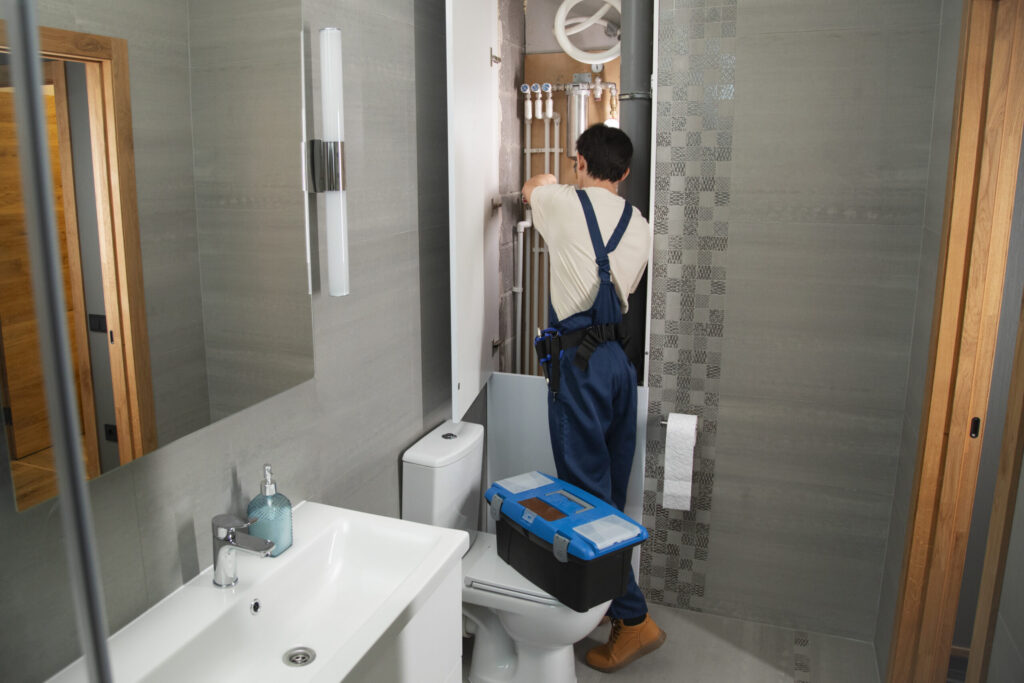
  • Hire professionals for: plumbing reroutes, electrical work, waterproofing, major tiling work.
  • Key trades to engage: plumber, electrician, tiler, carpenter (for cabinets), general contractor if doing major work.
  • Ask for portfolios, references, warranty on work and materials.


8. Major Risks & Common Mistakes

  • Skipping waterproofing or doing it poorly → leaks, mold, expensive future repairs.
  • Under-estimating labor cost or lead times for custom items or imported fixtures.
  • Bad lighting or insufficient lighting, especially around mirrors → impractical.
  • Poor ventilation → moisture damage, bad smells.
  • Over-personalized design that may deter future buyers.

9. Value-Boosting Upgrades You Shouldn’t Skip

These often give more “bang for buck”:

  • Walk-in or glass-shower enclosures rather than bulky tubs (if layout allows).
  • Double vanity where space allows.
  • Underfloor heating (if climate supports, and if budget permits).
  • LED lighting, especially with dimmers.
  • Neutral but quality tiles and finishes—timeless styling wins resale.
  • Efficient water fixtures (dual flush, low flow shower heads)

10. Post-Renovation Care: Maintenance & Longevity

  • Clean grout, caulk, and seals regularly.
  • Inspect seals around shower, tub, sink (redo if crack or gap appears).
  • Ensure ventilation fans are working well; clean filters.
  • Maintain faucets and hardware; address leaks immediately.
  • Keep documentation: warranties, invoices, materials used—for future maintenance or resale.


Frequently Asked Questions

Q1. How long does a typical bathroom renovation take?
A: For a mid-size bathroom (no major layout changes), 4-6 weeks is normal. Full redesigns may take 8-10+ weeks depending on complexity.

Q2. What’s a realistic budget for a good mid-range bathroom in our region?
A: It depends on materials and labour in your city, but expect cost for materials + labour + fixtures + permits + finishes + contingency. (If you give me your location I can estimate.)

Q3. Is it worth investing in high-end fixtures or better materials?
A: Yes, if resale, durability, water efficiency or look are priorities. But balance cost vs impact: sometimes good mid-quality materials with excellent workmanship deliver more value.

Q4. Do I need permits?
A: Most likely yes—especially for plumbing, electrical, structural changes. Not obtaining proper permits can lead to trouble in inspections or when selling.

Q5. Can I live through a renovation (stay at home)?
A: Possibly, but having an alternative bathroom or staging area helps. Expect disruptions (dust, water shutdowns), so plan ahead.
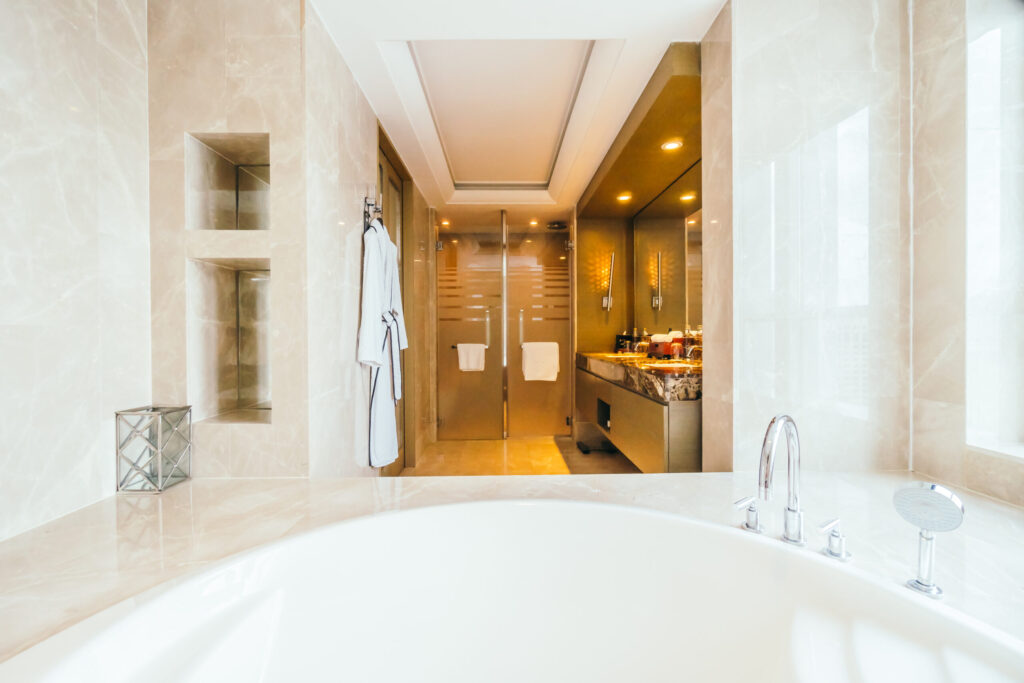

Modern home renovation project

Conclusion

A well-executed bathroom renovation can dramatically transform your home’s comfort, aesthetic, and value. With clear goals, a realistic budget, quality materials, the right professionals, and attention to detail, you’ll get more than just a nice space—you’ll get long-term satisfaction and potentially a smart financial investment.