Kitchen Renovation Blog

Published
2025/09/16 at 7:25 pm

From simple upgrades to full remodels, here’s how to get it right.


Quick Summary / Key Takeaways

If you only remember 5 things from this guide, let these be them:

  • Kitchens are the heart of the home and one of the best places to invest in renovation.
  • Careful planning of layout, workflow, and storage makes the biggest difference.
  • Budget realistically appliances, cabinetry, and finishes are the main cost drivers.
  • Energy-efficient appliances and durable finishes offer long-term savings.
  • A well-designed kitchen boosts resale value and enhances everyday living.

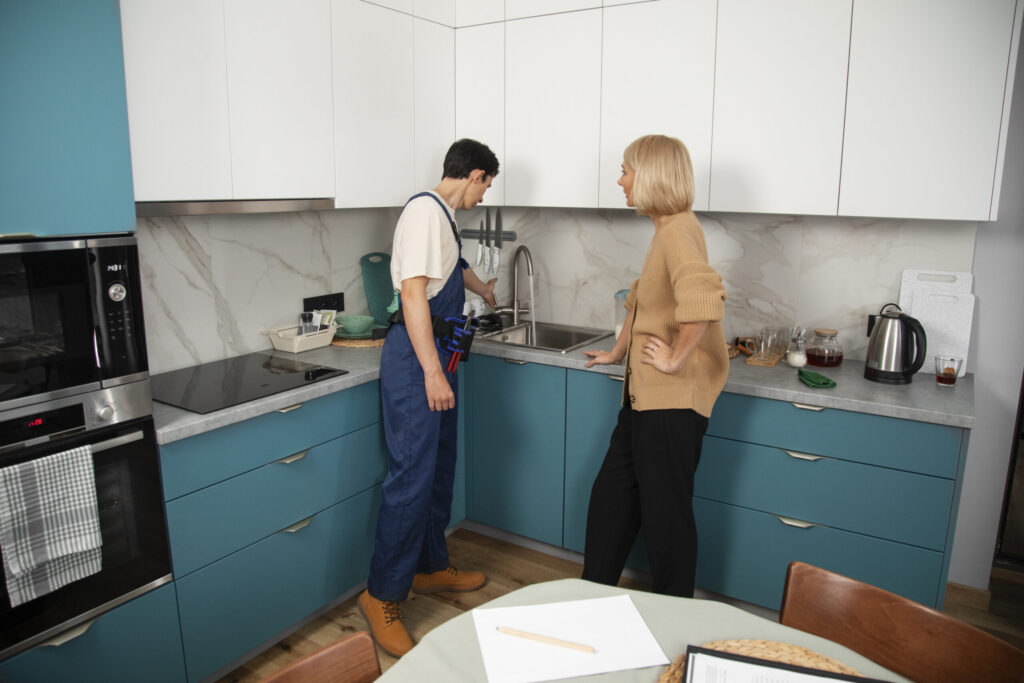
Modern home renovation project


Table of Contents

  1. Why Kitchen Renovations Matter
  2. Types of Kitchen Renovation Projects
  3. Setting Your Kitchen Goals
  4. Planning & Budgeting the Right Way
  5. Layout & Design Considerations
  6. Choosing Materials, Cabinets & Appliances
  7. Professional Help vs DIY
  8. Mistakes to Avoid in Kitchen Renovation
  9. Value-Adding Features & Smart Upgrades
  10. Maintenance & Long-Term Care

1. Why Kitchen Renovations Matter

  • Resale value: Kitchens and bathrooms are the top drivers in property value. A modern kitchen often seals the deal for buyers.
  • Daily usability: A practical, well-designed kitchen improves family life, cooking, storage, and entertaining.
  • Efficiency: Upgraded appliances, better layout, and improved lighting reduce energy and effort.
  • Aesthetics: A stylish kitchen transforms the overall impression of the home.

2. Types of Kitchen Renovation Projects

TypeWhat’s InvolvedCost / Time Implication
Cosmetic UpgradePaint, hardware replacement, backsplash refresh, lightingLow
Mid-Range RemodelNew cabinets, countertops, flooring, modern appliancesMedium
Full RenovationStructural changes, open-concept redesign, plumbing/electrical updates, custom cabinetryHigh
Luxury RemodelHigh-end finishes, premium appliances, smart tech integrationHighest

3. Setting Your Kitchen Goals

  • Is it for resale, rental income, or long-term family use?
  • Do you need a chef’s kitchen, a family-friendly gathering spot, or a compact, efficient design?
  • How much storage and workspace do you require?
  • Do you prefer modern, traditional, farmhouse, or minimalist style?

Clear goals shape layout, materials, appliances, and budget.


4. Planning & Budgeting the Right Way

  • Initial inspection: Plumbing, gas lines, electrical capacity, flooring condition.
  • Budget allocation (typical mid-range remodel):
    • Cabinets: 30–40%
    • Appliances: 15–20%
    • Countertops: 10–15%
    • Flooring & lighting: 10–15%
    • Labor & installation: 20–30%
  • Contingency: Keep at least 10–15% aside for surprises.
  • Timeline: Expect 6–12 weeks depending on scope.

5. Layout & Design Considerations

  • Work Triangle: Efficient distance between stove, sink, and refrigerator.
  • Open vs closed kitchen: Depends on lifestyle entertaining vs privacy.
  • Storage solutions: Deep drawers, pull-out shelves, corner cabinets, pantry space.
  • Lighting: Task lighting under cabinets, pendant lights for islands, general ceiling lights.
  • Ventilation: Strong exhaust hood to manage cooking fumes.

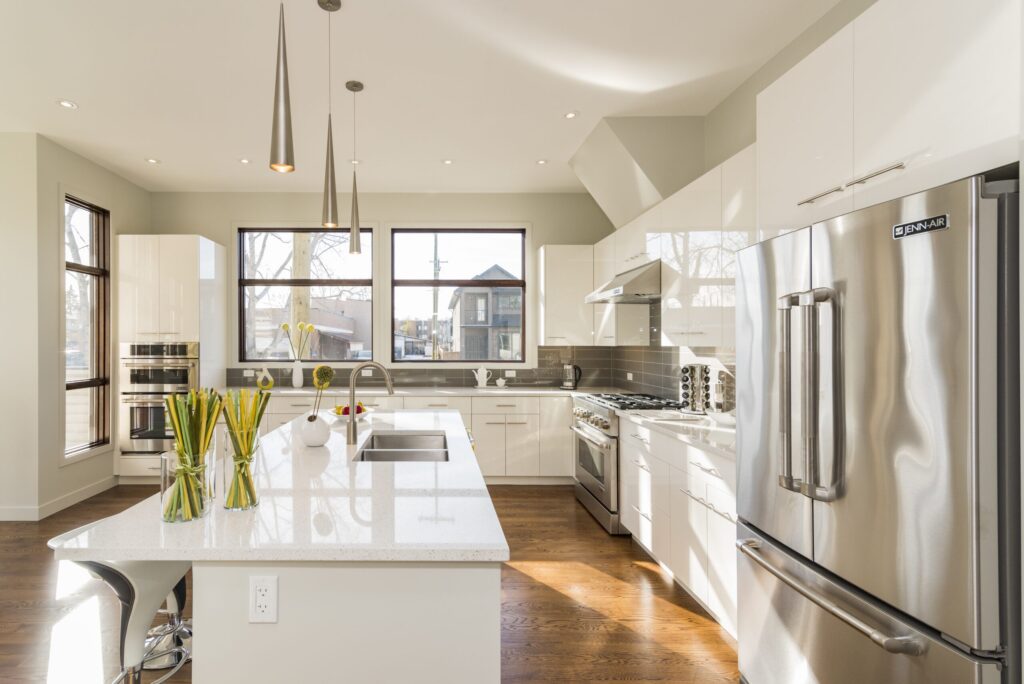
Modern home renovation project

6. Choosing Materials, Cabinets & Appliances

  • Cabinets: Solid wood, plywood, or moisture-resistant MDF.
  • Countertops: Quartz, granite, or laminate depending on budget.
  • Backsplash: Tiles, glass, or stone for both function and design.
  • Appliances: Energy-efficient, modern design, built-in or freestanding depending on layout.
  • Flooring: Tile, hardwood, engineered wood, or waterproof vinyl.

7. Professional Help vs DIY

  • DIY: Painting cabinets, changing hardware, installing simple lighting.
  • Hire professionals: Electrical, plumbing, cabinet installation, countertop fitting.
  • General contractor: Ideal for full remodels coordinates multiple trades.

8. Mistakes to Avoid in Kitchen Renovation

  • Ignoring workflow (awkward appliance placement).
  • Too little storage or counter space.
  • Poor ventilation and lighting.
  • Choosing trendy but impractical materials.
  • Over-personalized design that hurts resale value.

9. Value-Adding Features & Smart Upgrades

  • Kitchen island with seating & storage.
  • Energy-efficient, stainless steel appliances.
  • Deep farmhouse sink or modern undermount sink.
  • Durable countertops (quartz is a favorite).
  • Smart appliances and lighting.
  • Neutral but stylish finishes to appeal to buyers.


10. Maintenance & Long-Term Care

  • Regularly clean and reseal countertops of natural stone.
  • Maintain appliances with proper servicing.
  • Keep ventilation systems clean.
  • Repair chips, leaks, or cabinet issues early to avoid costly fixes.

Frequently Asked Questions

Q1. How long does a kitchen renovation take?
A: Cosmetic updates may take 2–3 weeks; full remodels usually take 6–12 weeks.

Q2. What’s the average cost of a kitchen remodel?
A: Depends on location, but cabinets, appliances, and labor are the biggest cost factors. Mid-range kitchens can cost a fraction of luxury remodels.

Q3. Is open-concept still popular?
A: Yes, but some homeowners prefer partial separation for noise and cooking smells.

Q4. Should I buy appliances first or last?
A: Appliances should be selected early dimensions influence cabinet and layout design.

Q5. What upgrades add the most resale value?
A: Neutral cabinetry, quartz countertops, modern appliances, good lighting, and open layouts often deliver the best ROI.


Conclusion

A kitchen renovation is more than a facelift it’s a smart investment in comfort, efficiency, and property value. With thoughtful planning, durable materials, and skilled professionals, your new kitchen can be both a functional workspace and a centerpiece of your home.