If you’ve been researching ways to get more space out of your basement, you’ve probably run into two very different terms: basement underpinning and basement renovation. They sound similar, but they solve completely different problems – and mixing them up can mean paying for the wrong service, or worse, discovering halfway through a renovation that your ceiling height legally doesn’t qualify for a basement apartment.
Here’s a clear breakdown of what each one actually involves, when you need which, and what it typically costs in Toronto and the GTA.
What Is Basement Renovation?
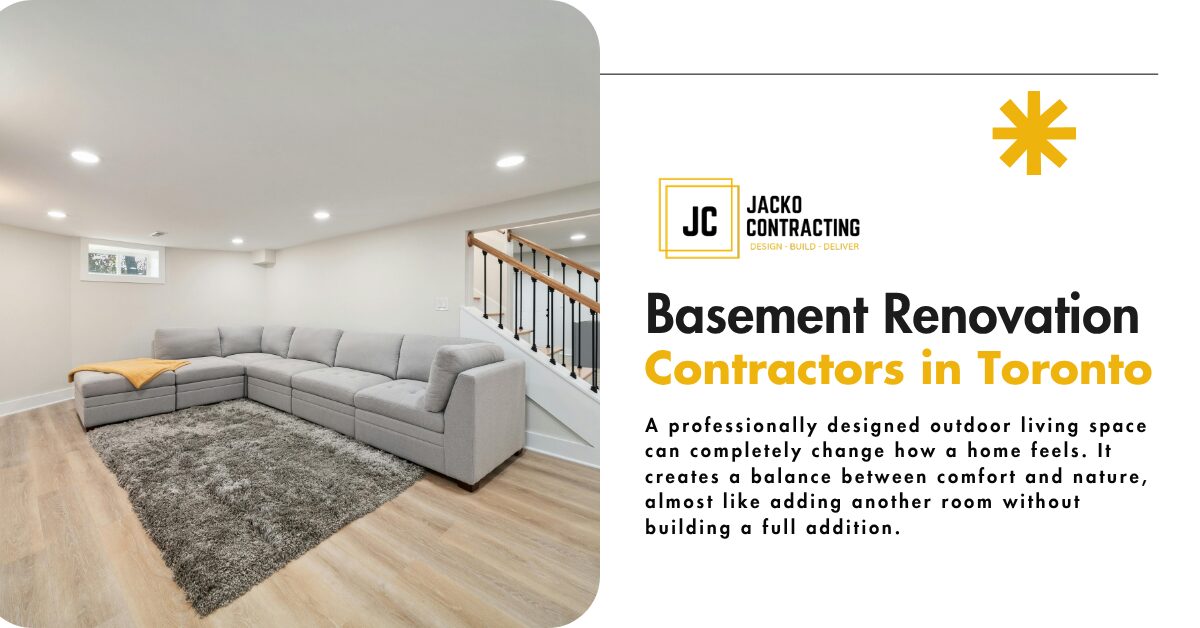
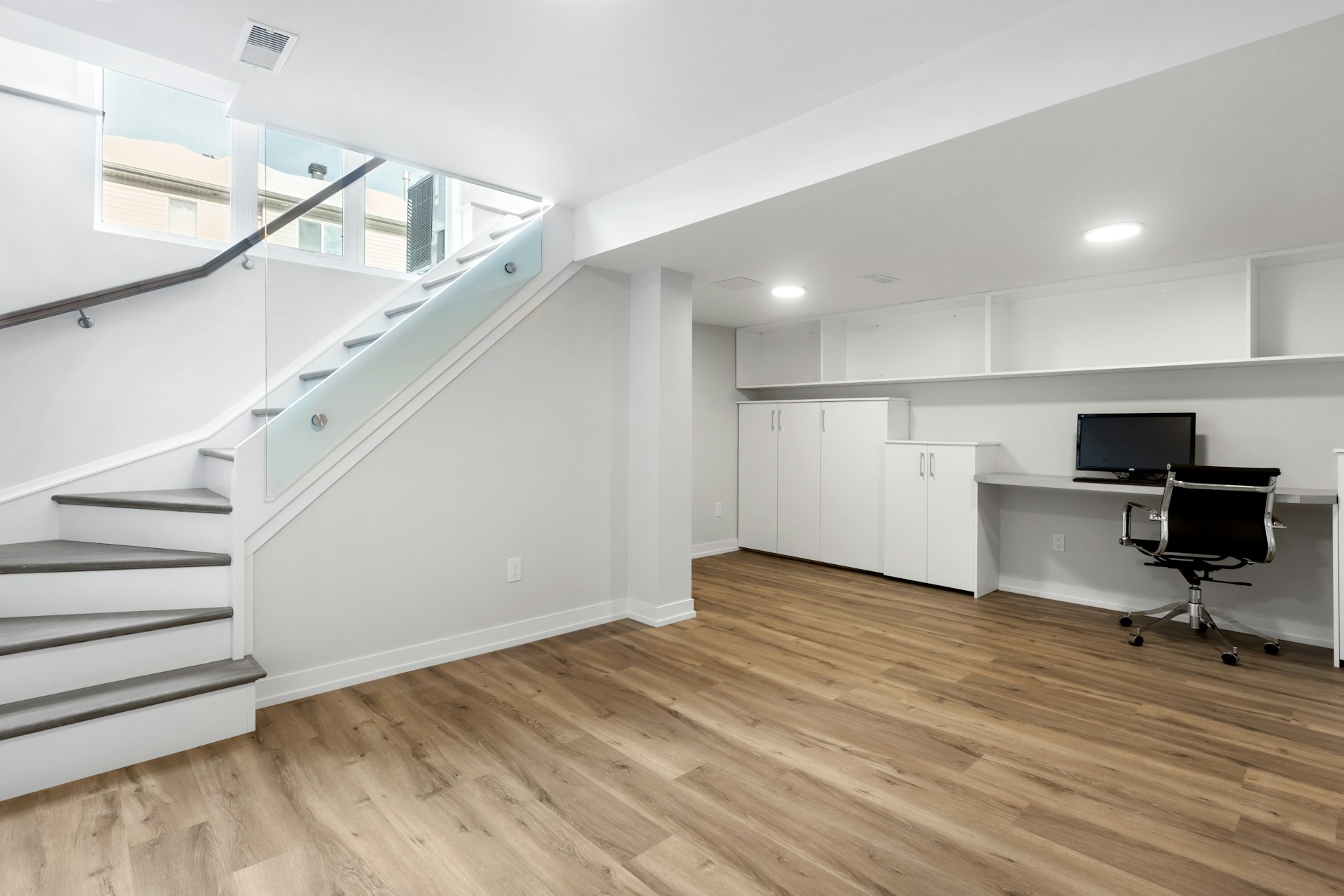
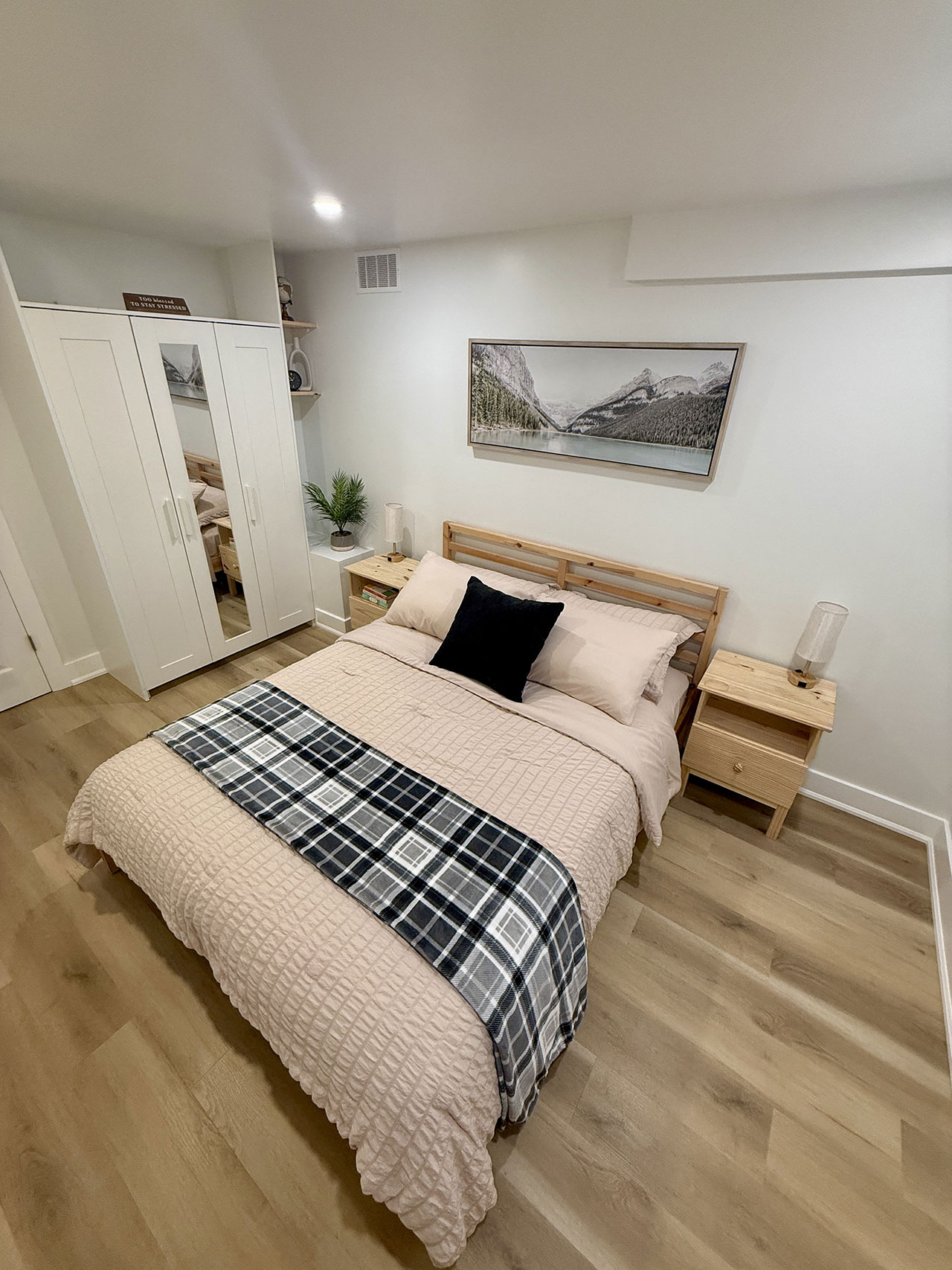
Basement renovation is exactly what it sounds like: finishing or upgrading the basement you already have. This includes framing, drywall, flooring, electrical, plumbing, and sometimes adding a bathroom or kitchenette. The footprint and ceiling height of the basement stay exactly the same – you’re working with the space as it already exists.
This is the right choice if your basement already has reasonable ceiling height (ideally 6’5″ or higher under Ontario’s building code for a habitable space) and you simply want to turn an unfinished or dated basement into a functional living area, rec room, or income-generating apartment.
What Is Basement Underpinning?
Underpinning is a structural process, not a cosmetic one. It involves digging below your home’s existing foundation, in sections, and extending the foundation walls downward so the basement floor sits lower than it currently does. The result is several extra feet of ceiling height in a basement that was previously too low to legally or comfortably live in.
This is a serious construction project. It requires:
- An engineer-stamped structural plan
- A building permit from your local municipality
- Careful, sequential excavation so the house above stays structurally supported throughout
- Waterproofing and drainage work as part of the same project
Underpinning is typically the answer when a homeowner wants to convert a basement with low clearance – common in older Toronto homes built before modern code requirements – into a legal basement apartment, since municipalities won’t approve a basement unit below a minimum ceiling height.
Side-by-Side: Which One Do You Actually Need?
| Factor | Basement Renovation | Basement Underpinning |
|---|---|---|
| Changes ceiling height | No | Yes, typically by 2–4 feet |
| Structural work to foundation | No | Yes |
| Engineer & permits required | Sometimes (for plumbing/electrical) | Always |
| Typical timeline | 4–8 weeks | 2–4 months |
| Best for | Already-adequate ceiling height | Low-clearance basements needing legal habitable space |
| Relative cost | Lower | Higher, due to structural and excavation work |
How to Tell Which Situation You’re In
The simplest test: measure your existing basement ceiling height from the floor to the lowest point (often a beam or duct). If it’s already above the minimum required for a legal secondary suite in your municipality, renovation alone may be all you need. If it’s noticeably lower, underpinning is usually the only path to a legal, code-compliant basement apartment – renovating around a low ceiling won’t pass inspection for habitable space, no matter how nicely it’s finished.
It’s also worth noting that many projects involve both: underpinning first to gain the height, followed immediately by a full renovation to finish the new space. If you’re planning a legal basement apartment for rental income, this combined approach is extremely common across Toronto and the GTA, especially in older housing stock in neighbourhoods like Etobicoke, Scarborough, and North York.
What Affects the Cost
A few factors consistently move the price up or down on underpinning projects specifically:
- Depth required — going from a 5-foot ceiling to a 7-foot ceiling costs more than a smaller height increase
- Soil conditions — clay-heavy or unstable soil requires more careful (and slower) excavation
- Access to the property — narrow side yards or attached homes can limit equipment access and add labour time
- Existing plumbing and structural elements — relocating drain lines or support beams during the dig adds scope
Basement renovation costs, by contrast, scale mainly with finish quality and whether you’re adding plumbing for a kitchen or bathroom.
Permits: Don’t Skip This Step
Underpinning without a permit is one of the most common and costly mistakes homeowners make. Beyond the legal risk, unpermitted structural work can void your home insurance and create serious problems if you ever sell the property — buyers’ lawyers routinely ask for permit history on any foundation work. A reputable contractor will pull permits and arrange the required engineering review before any excavation begins.
Frequently Asked Questions
Can I underpin only part of my basement?
Yes, partial underpinning is possible and sometimes used to keep costs down, though it’s less common for basement apartment conversions since municipalities generally require consistent ceiling height across the habitable area.
Will underpinning disrupt the rest of my house?
There will be noise, dust, and some vibration during excavation, but the home remains structurally supported throughout the process when done correctly with proper shoring. Most homeowners continue living upstairs during the project.
How do I know if my basement qualifies as a legal apartment after underpinning?
Ceiling height is one requirement, but egress windows, fire separation, and a second exit are also part of Ontario’s secondary suite requirements. A contractor experienced in legal second suites will assess all of these together, not just height.
Is underpinning worth it if I’m not planning to rent the basement out?
Even without rental income in mind, underpinning adds usable living space and is one of the more reliable ways to increase a home’s resale value in the GTA, where extra square footage is always in demand.