Table of Contents
Unlock Hidden Value on Your Toronto Property
Turning extra space into real living space is one of the smartest moves a Toronto homeowner can make. Backyards and laneways that once held only a shed or a tired garage can now become full homes for family or tenants. With housing costs rising, more people are looking at their own lots and asking how to add a safe, comfortable second dwelling.
In Toronto, garden suites and laneway houses are two of the main ways to do that. Both are self-contained homes with their own kitchen, bathroom, and entrance, but they sit in different spots on the property and follow different rules. The big question is which one fits your lot, your budget, and your long-term plans. That is where working with experienced garden suite builders in Toronto can make the difference between “good idea” and “great result.”
What Is a Garden Suite vs. a Laneway House
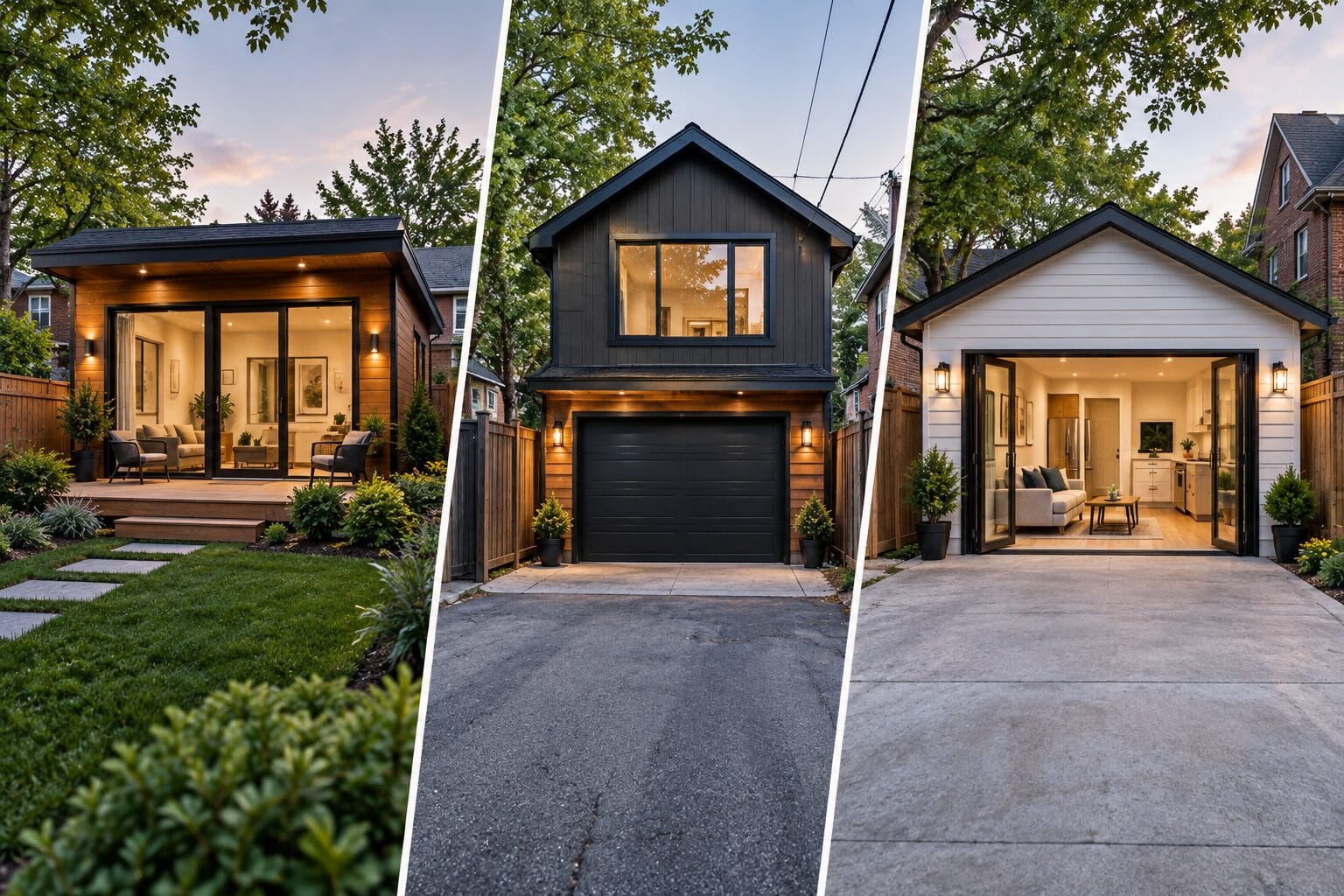
A garden suite is a small home in your backyard, usually tucked behind the main house. It is detached, with its own front door, kitchen, bathroom, and living space. It shares the same lot as the main house, but feels like its own small house, often backing onto the garden.
A laneway house is also a self-contained unit, but it sits along a public laneway at the rear of the property. In many cases it replaces an old garage or sits where a parking pad used to be. It usually has its own visible entry from the laneway and can feel more like a tiny house on a quiet side street.
Some key differences include:
- Access:
- Garden suite: access is usually through a side yard path from the main street
- Laneway house: access is from the lane, sometimes with a direct address
- Privacy and feel:
- Garden suite: a little more tucked into the yard, good for quiet, family use
- Laneway house: a bit more public, with people, cars, and services using the lane
- Typical layouts:
- Garden suite: can be shaped around gardens, decks, and trees
- Laneway house: often built more tightly along the property line near the lane
Both must meet City of Toronto zoning and building bylaws, including height, setbacks, and size rules. How they connect to utilities like water, sewer, and power is planned carefully so the systems are safe and up to code for two homes on one lot.
When a Garden Suite Makes More Sense
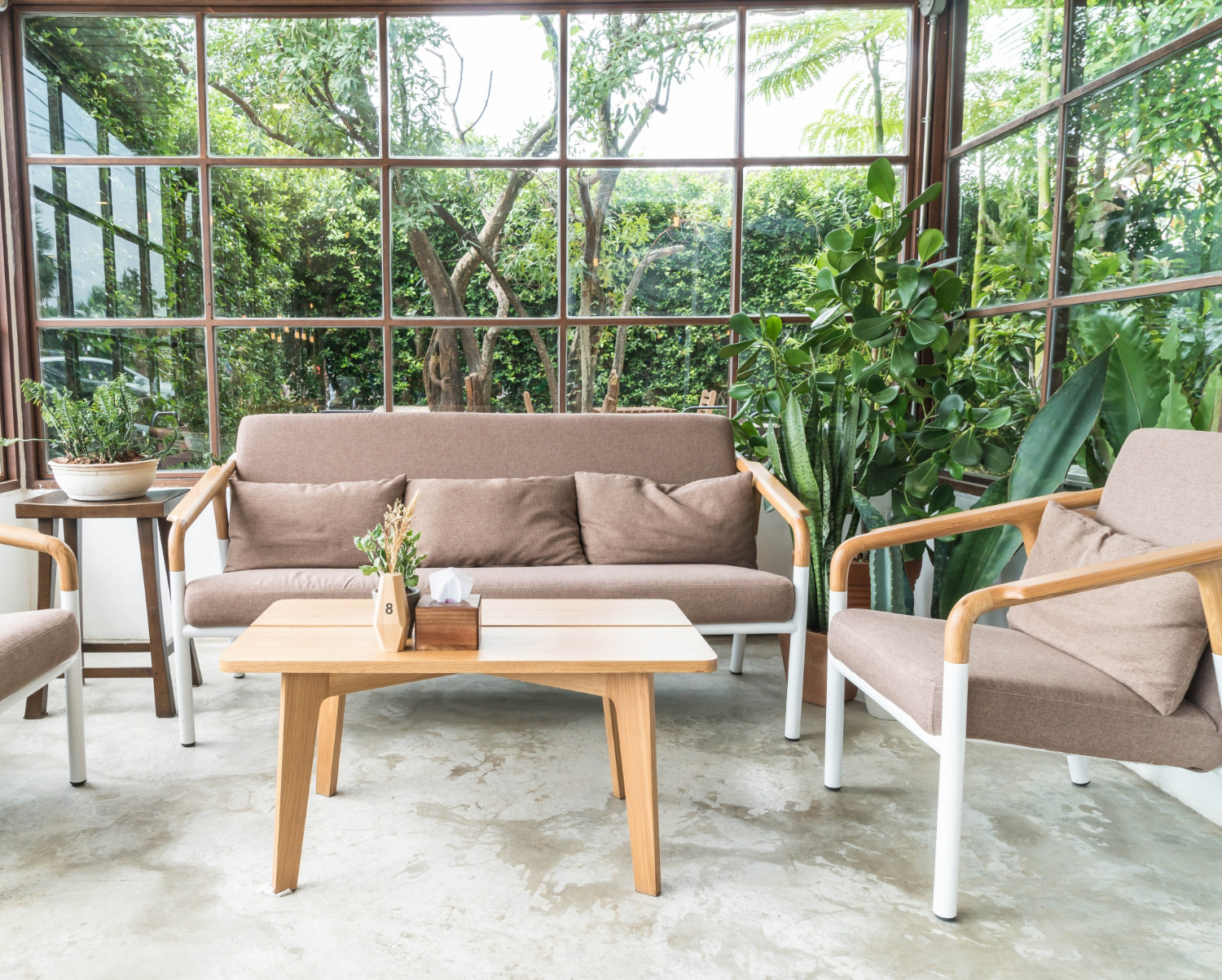
A garden suite often makes the most sense on deeper lots with a decent backyard. If you enjoy your green space and want to keep a calm, private feel, this option can work very well. Many homeowners choose a garden suite when they want a home for parents, adult children, or a caregiver who is close by but still has independence.
A garden suite tends to be a good fit when you want:
- A quiet space for family, guests, or a long-term tenant
- A strong connection to a private yard or garden
- A layout that feels more like a small cottage than a city apartment
Garden suites offer a lot of design flexibility. Because they sit inside the yard, there is more freedom to:
- Orient windows to catch light and avoid direct views into neighbours’ homes
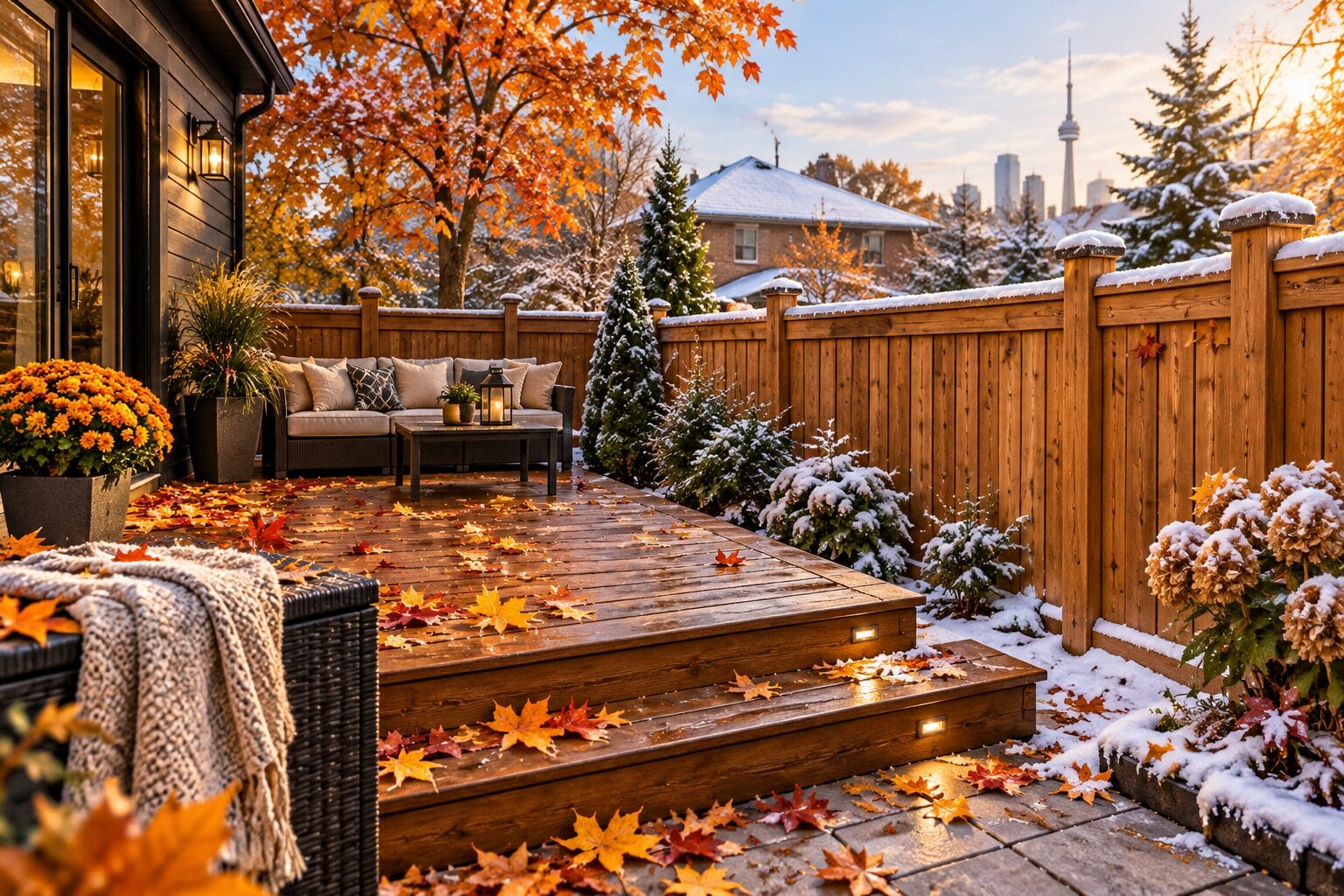
- Add decks, patios, or covered porches for three- or four-season use
- Shape paths and landscaping to make the backyard feel welcoming for both homes
In Toronto, there are rules about how close you can build to property lines, how tall the building can be, and how mature trees and roots must be protected. Some areas have heritage considerations that affect exterior look and size. Skilled garden suite builders in Toronto know how to work within these rules while still getting a useful, comfortable layout on a tight urban lot.
When a Laneway House Is the Smarter Choice
A laneway house is usually the smarter choice when your property backs onto a public laneway and you want a more “street-like” home at the rear. If your backyard is small but you already have a garage or parking pad off the lane, turning that space into living area can be very efficient.
A laneway house tends to work best when:
- You want strong rental potential with a clear, separate address feel
- You prefer the new unit to be more removed from your own backyard life
- You like the idea of a home that feels like it fronts onto its own little street
One benefit is the chance to rethink parking and storage. The building can:
- Replace or include a garage on the main level
- Use the lane for easier service access and deliveries
- Create a clear boundary between your main house yard and the new home
Laneways come with their own planning details. Fire truck and firefighter access must be safe and clear. In winter, snow and ice in the lane need to be considered for safe walking and driving. Good lighting is important for security and comfort for anyone living in the laneway house. Privacy with neighbouring rear yards also needs careful window and balcony placement, so everyone still feels comfortable.
Costs, Timelines, and Rules You Need to Know
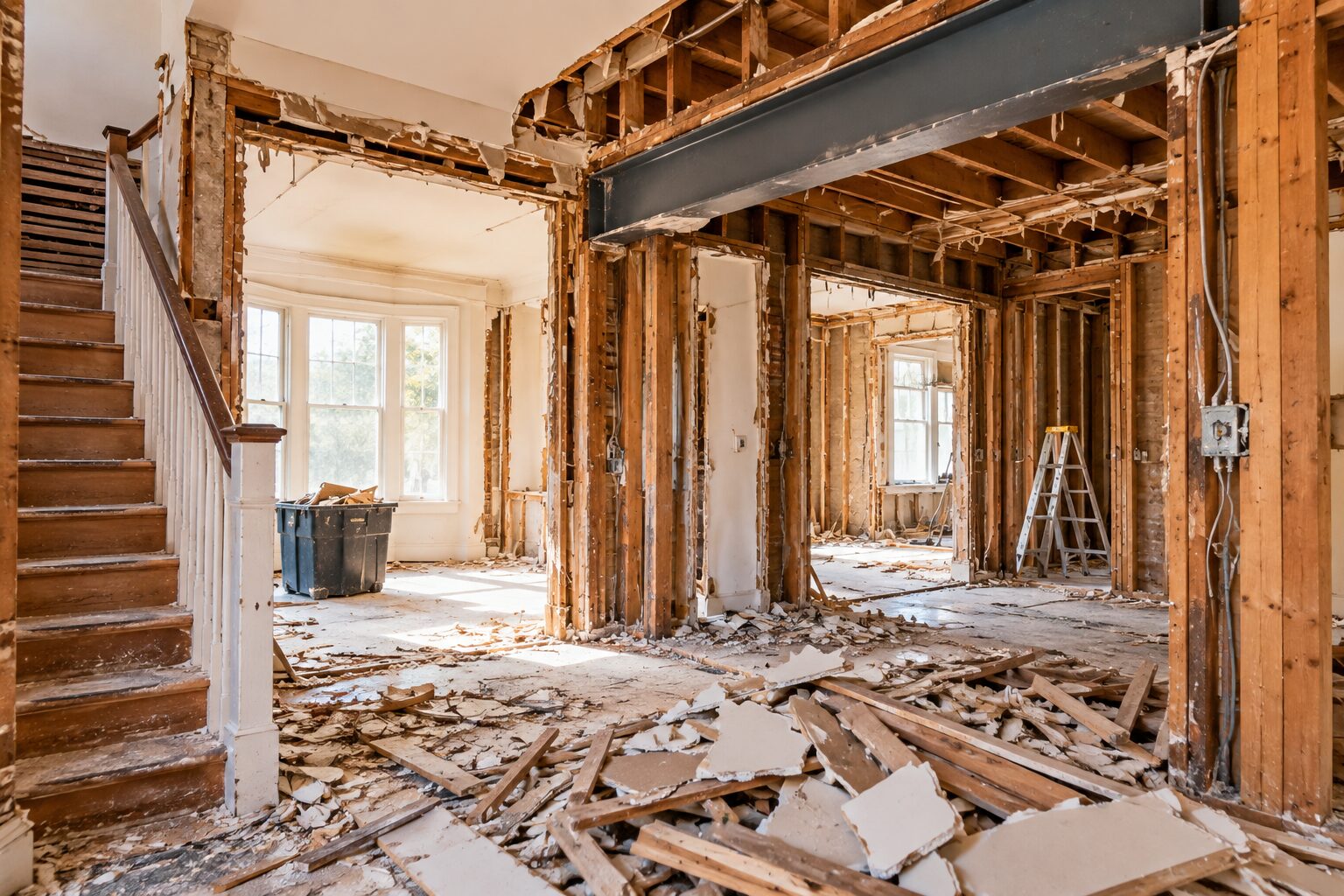
Garden suites and laneway houses share many of the same steps: planning, design, permits, site work, foundation, framing, finishing, and final inspections. Timelines depend on design complexity, weather, and how long permit approvals take. Building during warmer months can speed up some stages, but there is year-round work that can be done with the right planning.
The overall cost is shaped by things like:
- Size and number of storeys
- Level of interior finishes
- Site access and grading
- How far utilities must be extended from the main house
The City of Toronto has clear rules that homeowners must follow, including:
- Zoning rules for where you can build a secondary suite
- Setbacks from property lines, height limits, and maximum floor area
- Requirements for how the unit connects to water, sewer, and power
- Rules for parking, including how many spaces, if any, are needed
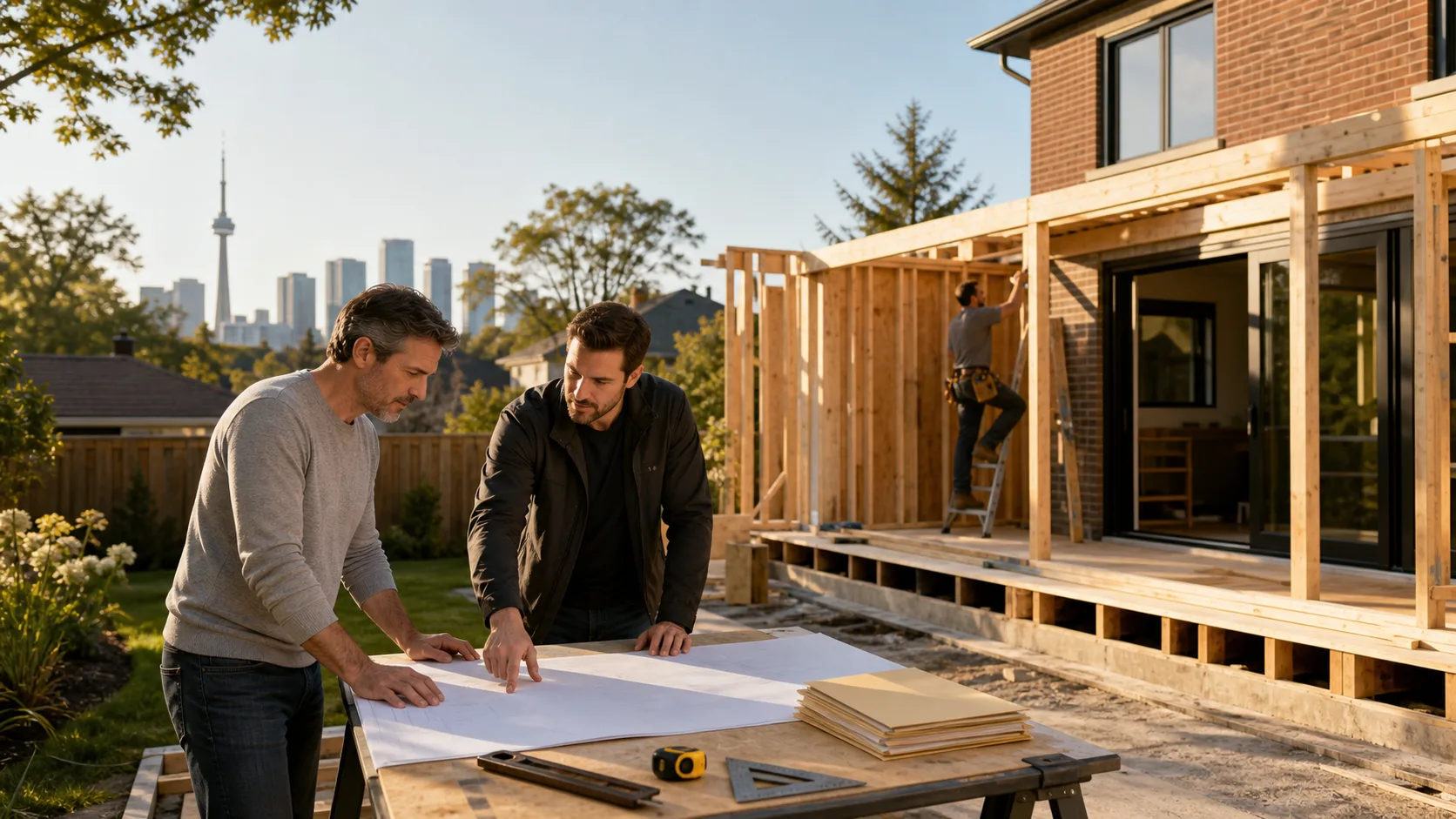
Working with experienced general contractors and garden suite builders in Toronto helps keep design plans, permits, and construction aligned from the start. This reduces the risk of plans that look good on paper but do not meet bylaws, which can lead to delays or costly changes mid-build.
How Jacko Contracting Helps You Choose and Build Confidently
Before you pick between a garden suite or a laneway house, it helps to zoom out and think about your bigger goals. Do you want space for multi-generational living? A future home to downsize into while you rent out the main house? Short or long-term rental income? Extra room for work, hobbies, or guests? It is also worth thinking about how you want to enjoy your outdoor space in every season, and how much privacy you want between the two homes.
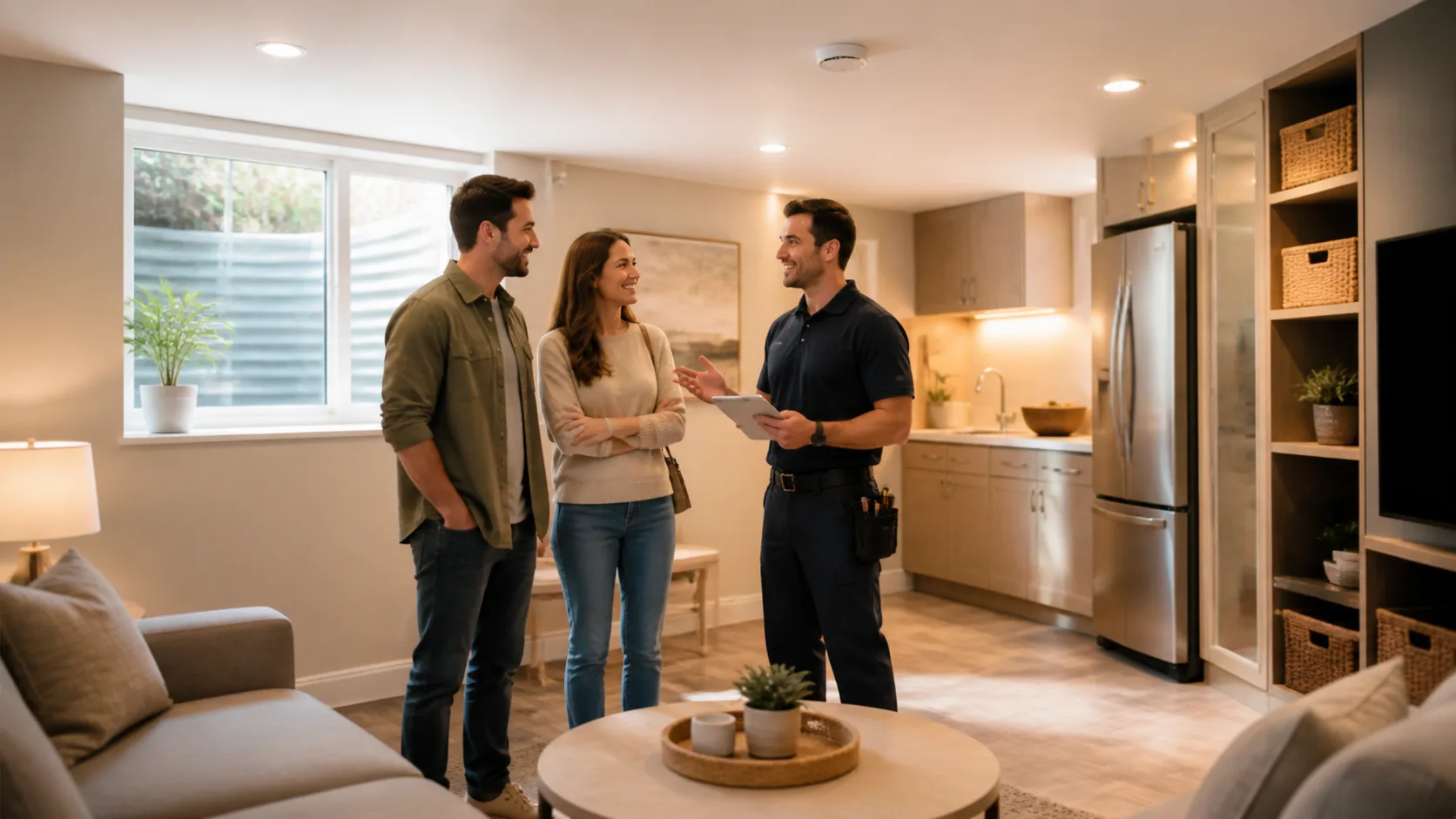
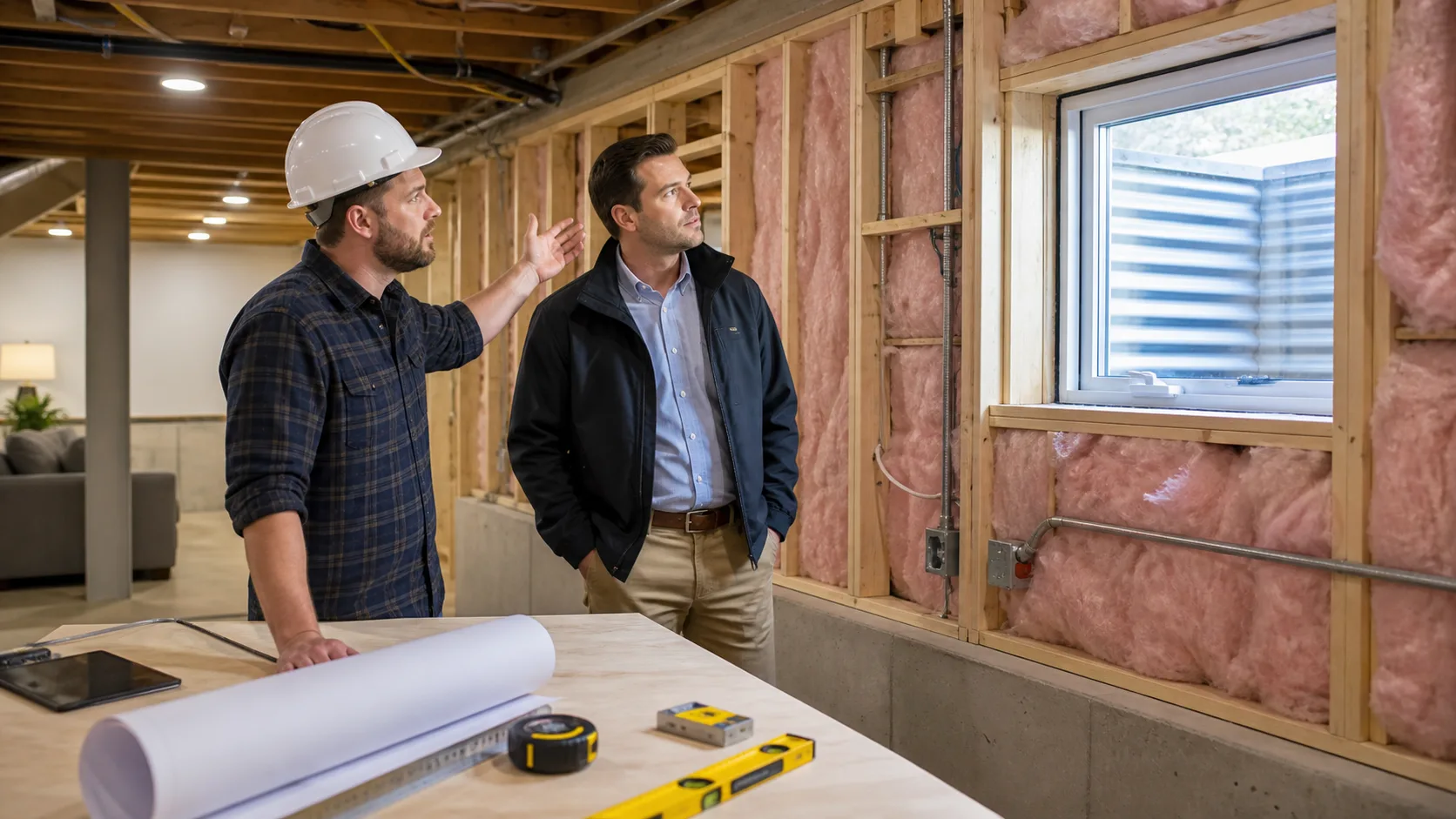
At Jacko Contracting, we start by carefully reviewing your property and listening to how you want to live, both now and in the future. We look at your lot size, access, existing structures, and the surrounding homes, then weigh the pros and cons of a garden suite versus a laneway house for your specific site. From there, we help shape a custom plan that covers design, bylaw and permit requirements, structural details, and the final finishes that will make the new space feel like a true home, not just an add-on.
Get Started With Your Project Today
If you are ready to explore what a custom, code-compliant garden suite could look like on your property, our team at Jacko Contracting is here to help you plan the next steps. As experienced garden suite builders in Toronto, we guide you through design, permits, and construction so you can move forward with confidence. Share a bit about your project and goals and we will follow up with clear options and timelines. To book a consultation or ask questions, simply contact us today.