If you’ve started searching for a demolition contractor in Toronto, chances are you’re standing in front of a property — a house, a basement, a storefront, maybe just one wall — wondering exactly what kind of demolition applies to your situation. That question matters more than most homeowners and business owners realize, because “demolition” isn’t one service. It’s a category that splits into very different jobs, each with its own permits, equipment, safety protocols, and price tag.
This guide walks through the four main types of demolition services we handle across the GTA — residential, interior, commercial, and selective demolition — and helps you figure out which one fits your project, what it costs, what permits you’ll need, and what to expect on-site. By the end, you’ll know exactly which page to go to next and what questions to ask any contractor you’re comparing us against.
Why “Demolition” Means Four Different Things
People searching for “demolition near me” usually have one of four very different jobs in mind, and confusing them is the single biggest reason renovation and construction timelines fall apart before they even start.
- Someone planning a full teardown-and-rebuild needs residential demolition.
- Someone gutting a kitchen, basement, or bathroom before a renovation needs interior demolition.
- A business owner closing out a lease, renovating a retail unit, or clearing an office floor needs commercial demolition.
- Someone removing a single wall, staircase, or structural element without affecting the rest of the building needs selective demolition.
Each of these falls under our broader demolition services in Toronto and the GTA, but they are priced differently, permitted differently, and executed with completely different equipment and crews. Hiring the wrong type of service — or hiring a contractor who treats all four as interchangeable — is how projects go over budget and past deadline.
Let’s break each one down properly before we get into the comparison that most people searching this topic actually came here for: residential vs commercial demolition.
Residential Demolition: Tearing Down a Whole House
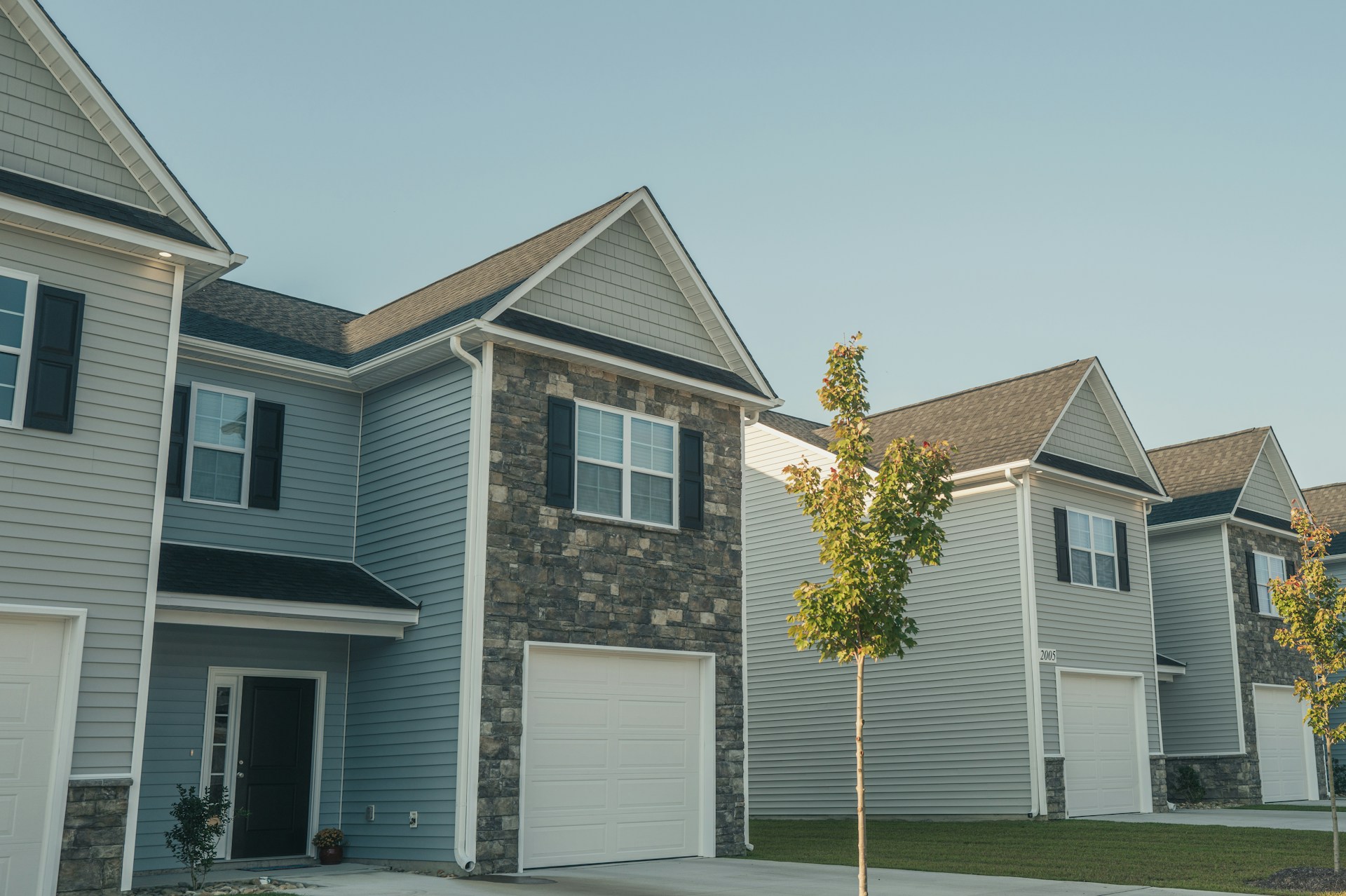
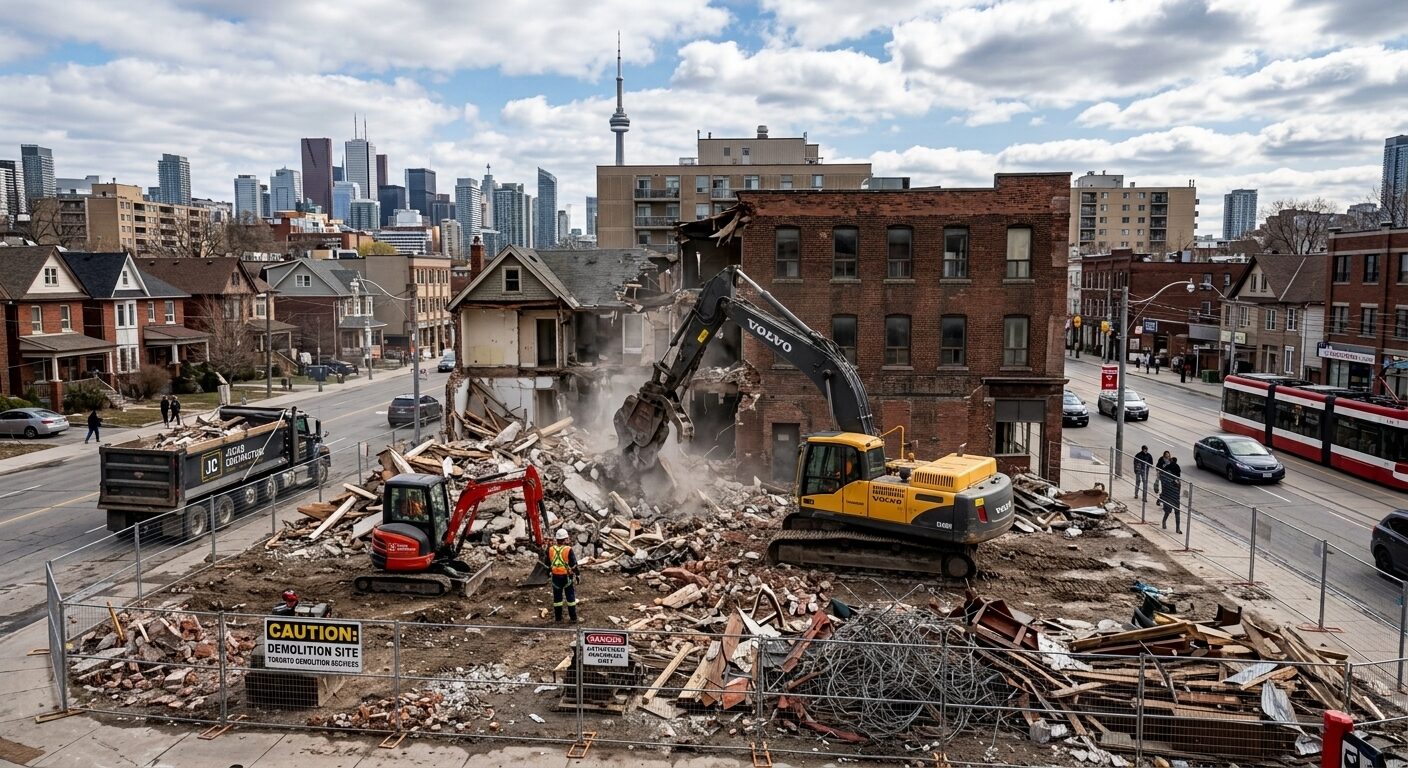
Residential demolition is the full removal of a house or residential structure, typically down to the foundation or grade level. This is the service homeowners need when:
- A property is being purchased specifically to build a custom home on the lot
- An older house has structural, foundation, or fire damage beyond repair
- A bungalow is being cleared to make way for a bungalow-to-duplex conversion
- A lot is being prepared for new construction, including custom homes or home additions
What’s Involved in a House Demolition
A full residential teardown in Toronto generally moves through these stages:
- Site assessment and permit application — the City of Toronto (or the relevant GTA municipality) requires a demolition permit before any structural work begins
- Utility disconnection — gas, hydro, water, and sewer lines must be properly capped and disconnected, usually requiring coordination with utility providers
- Hazardous material survey — older homes (especially pre-1990 builds) are checked for asbestos, lead paint, and other designated substances; this step is legally required and cannot be skipped
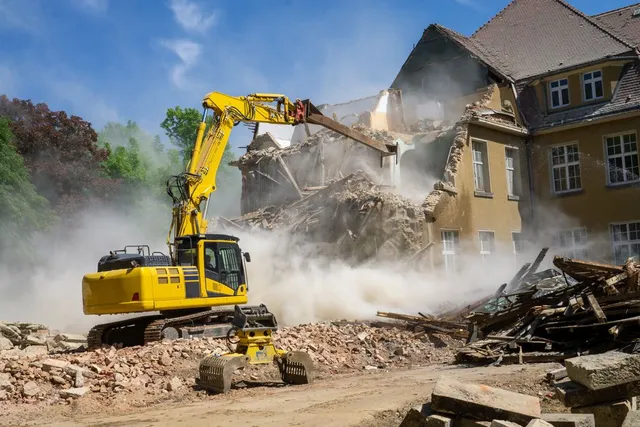
- Mechanical demolition — excavators and specialized equipment bring down the structure
- Debris sorting and removal — wood, concrete, metal, and other materials are separated for recycling and disposal, which is increasingly mandated by municipal waste diversion bylaws
- Site grading — the lot is leveled and left in a safe, buildable condition
Typical Timeline
Most single-family residential demolitions in the GTA take 2 to 5 days for the physical teardown itself, though the permit approval process can add several weeks before work even starts — something worth planning around if you’re on a tight construction schedule.
If your project is specifically about converting an existing structure rather than removing it entirely — like turning a garage into a coach house — that’s a different scope of work covered under garage and coach house conversions rather than full demolition.
Full details, process breakdown, and quote request: Residential Demolition in Toronto
Interior Demolition: Gutting Without Touching the Shell
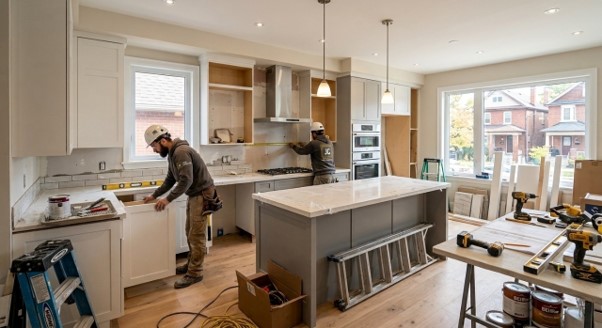
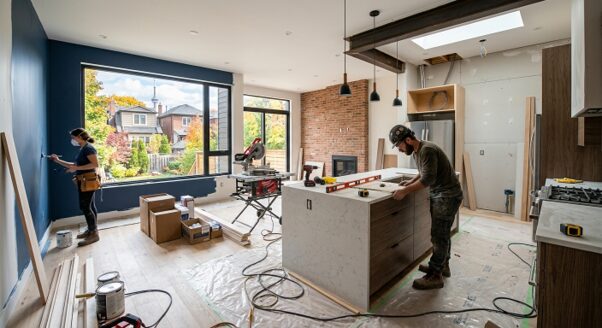
Interior demolition — sometimes called “interior demo” or a “gut renovation” — removes everything inside a structure while leaving the exterior walls, roof, and structural shell intact. This is the service almost every major renovation starts with, including:
- Kitchen renovations that require removing cabinetry, flooring, and non-structural walls
- Bathroom renovations where tile, fixtures, and old plumbing chases need to come out first
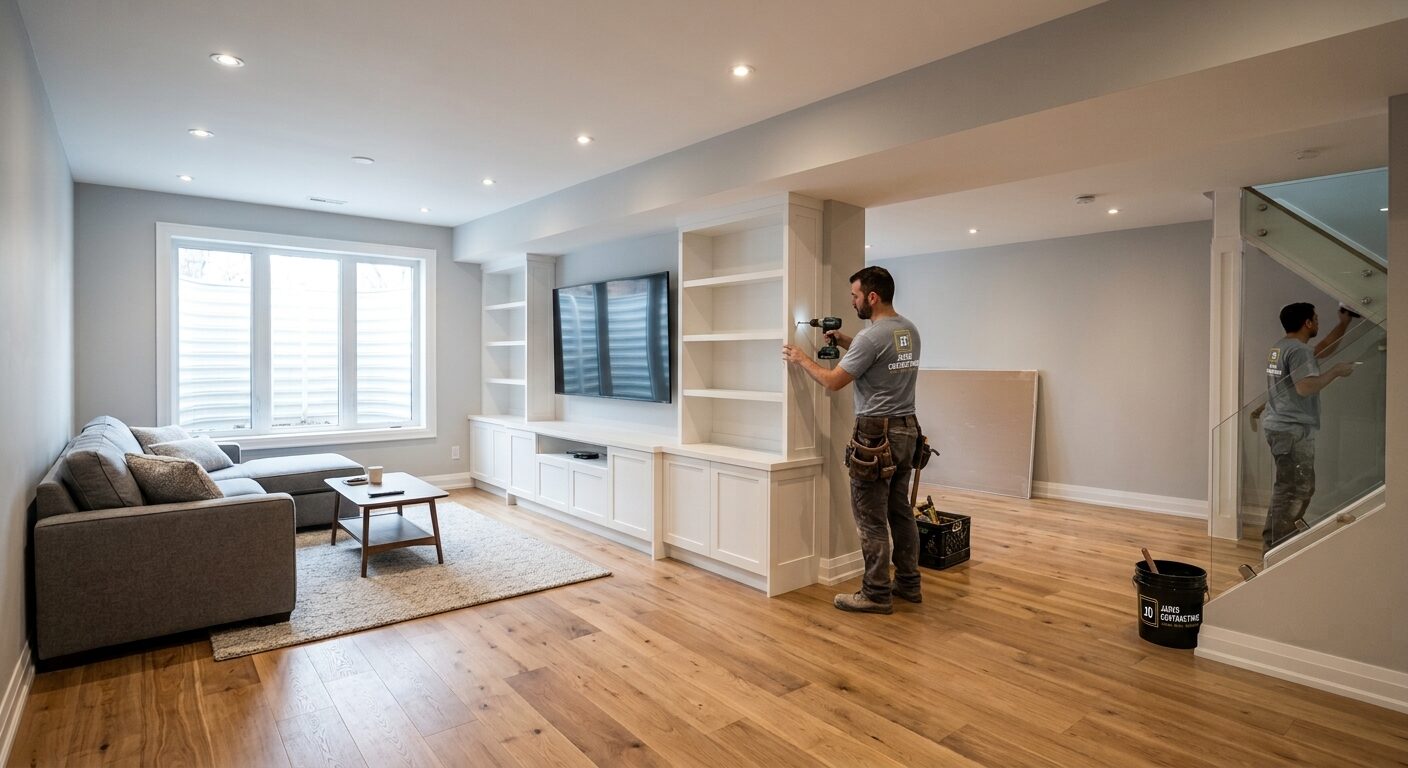
- Basement renovations and conversions into legal basement apartments
- Whole-home gut renovations where every interior finish is being replaced
What Interior Demolition Actually Removes
- Drywall and plaster
- Non-load-bearing partition walls
- Flooring, subflooring, and underlayment
- Cabinetry, fixtures, and built-ins
- Old electrical, plumbing, and HVAC components slated for replacement
- Dropped ceilings, soffits, and trim
Why Interior Demolition Needs Its Own Specialist
The risk with interior demolition isn’t bringing down a building — it’s accidentally compromising something that was never meant to be touched. A wall that “looks” non-structural can be load-bearing. A “simple wall removal” can expose knob-and-tube wiring or old asbestos-containing materials that require special handling under Ontario regulations. This is exactly why interior demo gets grouped with wall demolition as a distinct trade rather than something a general renovation crew just handles on the side.
If your project is specifically about removing one wall or one structural element rather than a full interior gut, that’s more accurately scoped as selective demolition, covered further down this guide.
Full details and quote request: Interior Demolition in Toronto and the GTA
Commercial Demolition: Offices, Retail, and Larger Structures
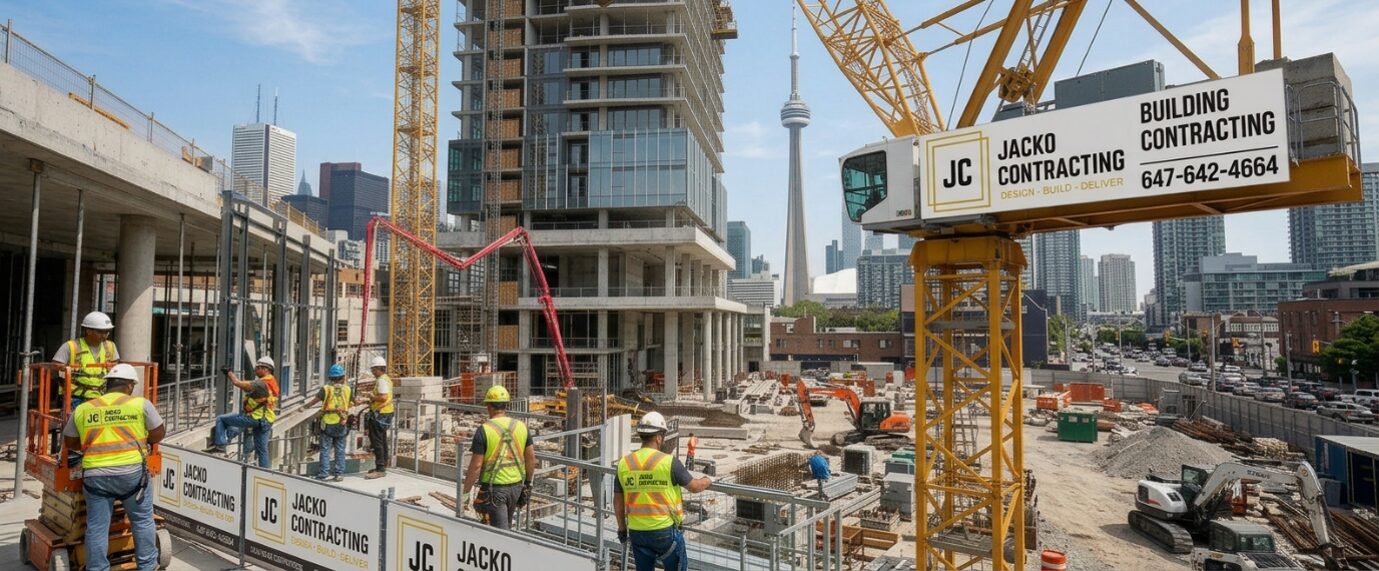
Commercial demolition covers everything from a single retail unit being prepped for a new tenant to a full office floor teardown or the removal of an entire commercial building. The scale, regulatory requirements, and scheduling pressure here are usually higher than residential work.
Common Commercial Demolition Projects
- Office demolition — clearing out a leased office floor before fit-out for a new tenant, including ceiling grids, partition walls, and raised flooring systems
- Retail space demolition — gutting a storefront down to shell condition between tenants, a process landlords and property managers deal with constantly in the GTA’s retail turnover cycle
- Full building demolition — removing an entire commercial structure to clear a site for redevelopment
What Makes Commercial Demolition Different from Residential
| Factor | Residential | Commercial |
|---|---|---|
| Typical scale | Single house or unit | Often multi-unit, multi-floor, or larger footprint |
| Scheduling pressure | Flexible, owner-driven | Often tied to lease dates, tenant move-in deadlines |
| Off-hours work | Less common | Frequently required (nights/weekends to avoid disrupting other tenants or business hours) |
| Regulatory complexity | Standard municipal permit | May involve fire code, accessibility, and commercial building code considerations |
| Hazardous material risk | Depends on home age | Higher in older commercial buildings (asbestos in ceiling tiles, insulation, flooring adhesive) |
| Site access | Usually direct | Often requires loading dock coordination, elevator booking, building management sign-off |
Commercial clients — property managers, landlords, retail chains, and business owners — also tend to need faster turnaround because every day a unit sits unfinished is lost rent or lost revenue. A demolition contractor working on commercial jobs needs to coordinate with building management, work around other tenants, and often complete noisy or disruptive work outside business hours.
Full details and quote request: Commercial Demolition in Toronto and the GTA
Selective Demolition: Surgical, Targeted Removal
Selective demolition — also called partial or structural demolition — is the most precise category. Instead of removing an entire space or structure, selective demolition targets specific elements while protecting everything around them. Examples include:
- Removing a single structural wall while the rest of the home stays fully intact and occupied
- Taking out a staircase as part of a layout reconfiguration
- Removing a chimney, bearing wall, or specific structural component ahead of a home addition
- Partial demolition of one section of a commercial unit while adjacent tenants remain open
Why Selective Demolition Requires More Planning, Not Less
Counterintuitively, selective demolition is often more technically demanding than a full teardown. Removing one wall from a structure that needs to keep standing requires temporary shoring, structural engineering input, and careful sequencing — there’s no margin for error the way there can be when an entire structure is coming down anyway. This is also the category that overlaps most with structural work tied to basement underpinning projects, where part of a foundation is being modified while the home above stays occupied.
Full details and quote request: Selective Demolition in Toronto and the GTA
Residential vs Commercial Demolition: The Direct Comparison
Since this is the comparison most people land on this page looking for, here’s the side-by-side breakdown.
Scope of Work
Residential demolition is almost always tied to a single property — one house, one lot — being prepared for either a rebuild or a sale of vacant land. The job is self-contained: one owner, one site, one permit application.
Commercial demolition is frequently part of a larger chain of events: a lease ending, a new tenant fit-out beginning, a property changing hands, or a redevelopment project moving through multiple phases. The demolition contractor often isn’t the only party with a stake in the timeline — landlords, leasing agents, and incoming tenants are all watching the same calendar.
Permits and Approvals
Both require permits, but commercial demolition in Toronto more frequently triggers additional reviews — fire department sign-off, accessibility compliance checks, and sometimes heritage designation reviews if the building or facade has any protected status. Residential demolition permits are comparatively more standardized.
Cost Structure
Residential demolition is generally priced by the structure (square footage, number of stories, foundation type, site access). Commercial demolition pricing depends heavily on unit size, ceiling height, the presence of mechanical/electrical infrastructure that needs disconnection (HVAC, fire suppression systems, server rooms), and whether work needs to happen during restricted hours, which can increase labour costs.
Hazardous Material Considerations
Older commercial buildings — particularly those built before the 1990s — very commonly contain asbestos in ceiling tiles, pipe insulation, and floor tile adhesive. This isn’t unique to commercial buildings, but the sheer volume of these materials in a large commercial floor plate makes abatement a bigger line item than it typically is in a single-family home.
Which One Do You Need?
- If you own a single house or residential lot and the entire structure is coming down → Residential Demolition
- If you’re a business owner, landlord, or property manager clearing a retail unit, office, or commercial structure → Commercial Demolition
- If you only need the inside of a residential space cleared out, not the whole structure → Interior Demolition
- If you need one wall, one staircase, or one structural element removed without affecting the rest of the building → Selective Demolition
How to Decide Which Type of Demolition You Need
Ask yourself these four questions in order:
Is the entire structure coming down, or just part of it?
Entire structure → residential or commercial demolition (depending on property type). Part of it → interior or selective demolition.
Is this a home/residential property or a business/commercial property?
This determines whether you’re looking at residential demolition or commercial demolition.
Will the exterior walls and structural shell remain standing?
If yes, and you’re clearing interior finishes for a renovation, that’s interior demolition.
Is the work limited to one specific structural element (a wall, staircase, chimney) while the rest of the building stays in use?
That’s selective demolition — and it’s worth flagging early, because it’s the category most likely to require an engineer’s input before work starts.
If you’re still not sure after answering these, that’s normal — plenty of projects (especially gut renovations that border on partial teardowns) sit right on the line between categories. That’s exactly the kind of question worth bringing to a free quote request rather than guessing.
Permits and Regulations in Toronto and the GTA
Demolition in Ontario is regulated at both the provincial and municipal level, and the requirements differ slightly depending on which GTA municipality your property falls under.
What’s Generally Required
- Demolition permit from the local municipality (City of Toronto, Mississauga, Brampton, Markham, Vaughan, etc.) before any structural demolition work begins
- Designated substances survey — Ontario’s Occupational Health and Safety Act requires a survey for asbestos, lead, mould, and other designated substances before demolition or renovation work starts on most pre-1990s buildings
- Utility disconnection confirmations from gas, electrical, and water/sewer providers for full structural demolition
- Tree protection plans if the property has municipally protected trees nearby (common in many established Toronto neighbourhoods)
- Tenant notification and lease review for commercial demolition projects, particularly in multi-tenant buildings
Why This Matters Even If You’re Not Doing the Paperwork Yourself
A licensed demolition contractor handles permit applications as part of the job, but it’s worth knowing this step exists because it directly affects your timeline. Permit approval in Toronto can take anywhere from a couple of weeks to significantly longer depending on the complexity of the project and current municipal processing times. Building this into your schedule early — rather than assuming demolition can start “next week” — avoids the most common cause of delayed renovation and construction start dates.
Demolition Cost in Toronto: What Actually Drives the Price
“How much does demolition cost in Toronto” doesn’t have a single answer, because the four categories above are priced on completely different bases. That said, here are the factors that move the number most:
- Structure size and type — square footage, number of storeys, and construction material (wood frame vs. masonry vs. concrete)
- Site access — a detached house with a wide driveway is far cheaper to clear than an infill lot with no laneway access, where everything has to be hand-carried or craned out
- Hazardous material findings — if the designated substances survey finds asbestos or other regulated materials, abatement costs get added before demolition can proceed
- Debris volume and disposal/recycling requirements — municipal waste diversion targets mean more sorting, which affects labour time
- Utility disconnection complexity — older properties sometimes have outdated or undocumented utility connections that take longer to safely disconnect
- Permit and engineering costs — particularly relevant for selective demolition, where shoring and structural review may be required
- Scheduling constraints — commercial jobs requiring night or weekend work typically cost more per hour than standard daytime residential work
Because every one of these variables changes the final number, the only reliable way to get an accurate figure for your specific property is a site assessment — generic per-square-foot estimates you’ll find online are rarely accurate once site access, hazardous materials, and disposal requirements are factored in.
What Happens After Demolition
Demolition is rarely the end goal — it’s the first phase of something else. Depending on what type of demolition you’ve had done, here’s what typically comes next:
- After residential demolition: site grading, then either new custom home construction or preparation for sale of the cleared lot
- After interior demolition: the renovation itself begins — kitchen, bathroom, or basement rebuild, or conversion into a legal second suite
- After commercial demolition: fit-out construction for the incoming tenant, or redevelopment planning for the site
- After selective demolition: the specific renovation or addition the wall/structural removal was clearing the way for, such as a home addition or layout reconfiguration
Planning the next phase before demolition even starts is what keeps a project moving without a gap between “the old stuff is gone” and “the new work begins.” This is also where having one contractor handle demolition through to design and planning and final construction tends to save the most time, since there’s no handoff gap between separate companies.
Why Choose a Licensed Demolition Contractor
Demolition looks simple from the outside — knock it down, haul it away — but the liability involved is significant. A properly licensed and insured demolition contractor should be able to show:
- WSIB clearance certificate — confirms the company and its workers are covered under Ontario’s workplace safety insurance system, protecting you from liability if a worker is injured on your property
- Liability insurance — protects you if neighbouring property is damaged during the work
- Documented experience across all four demolition types — residential, interior, commercial, and selective work each require different equipment and crew expertise, so a contractor who only handles one type may not be equipped for the others
- A clear permit and hazardous material survey process — rather than skipping steps to move faster
Jacko Contracting carries a WSIB Clearance Certificate, $2M liability insurance, and handles all four categories of demolition described in this guide across Toronto and the GTA, alongside the renovation, construction, and legal suite conversion work that typically follows.
Frequently Asked Questions
Is interior demolition the same as gutting a house?
Yes — “gut renovation demolition” and “interior demolition” describe the same process: removing interior finishes, partition walls, and fixtures while leaving the structural shell standing. See Interior Demolition for the full process.
Do I need a permit to remove a single wall in my house?
In most cases, yes — particularly if the wall has any structural function, or even if you’re simply unsure. This falls under selective demolition and should always be assessed by a professional before any wall comes down, since misidentifying a load-bearing wall is one of the most common and costly renovation mistakes.
How long does residential demolition take in Toronto?
The physical demolition of a typical single-family home usually takes 2 to 5 days, though permit approval beforehand can take several weeks. Full details are on the Residential Demolition page.
What’s the difference between commercial demolition and interior demolition?
Interior demolition refers to removing interior finishes while keeping the structural shell — it can apply to either residential or commercial spaces. Commercial demolition is defined by the property type (a business, retail, or office space) and can include either interior-only work or full structural removal. See Commercial Demolition for project examples.
Can demolition happen while a building stays partially occupied?
Yes, in many cases — this is exactly what selective demolition is designed for, using temporary shoring and careful sequencing to remove specific elements without affecting the rest of the structure.
Where can I see all demolition services offered in the GTA? The full breakdown of residential, interior, commercial, and selective demolition is available on our main Demolition Services page.
Get a Quote
Whether your project is a full teardown, a gut renovation, a commercial unit clearing, or a single structural wall coming out, the right starting point is matching your project to the correct service:
- Residential Demolition
- Interior Demolition
- Commercial Demolition
- Selective Demolition
- All Demolition Services
Not sure which category fits? Contact Jacko Contracting for a free site assessment and quote – fully insured, WSIB cleared, with 15+ years of experience across residential and commercial demolition projects throughout Toronto and the GTA.