The secret behind any amazing construction is a respectable demolition method. When not executed correctly, it may cause the project to fall behind schedule and fail to meet safety codes or even end up being more expensive than anticipated before any work is even done. If it is done right, however, it is almost imperceptible, which is exactly what it should be.
However, residential and commercial tear-downs are not the same endeavour. Garages in the backyard and multi-storey plazas require different permits, equipment, and skill. This is why it is important to understand the full range of demolition services GTA property owners can choose from, just as it is to choose the contractor.
But how do you know which service is right for your project? In this guide, you’ll explore the essential distinctions between residential and commercial demolition in Toronto, including permits, equipment, cost, and time, to move forward with complete confidence.
What Is Residential Demolition in Toronto?
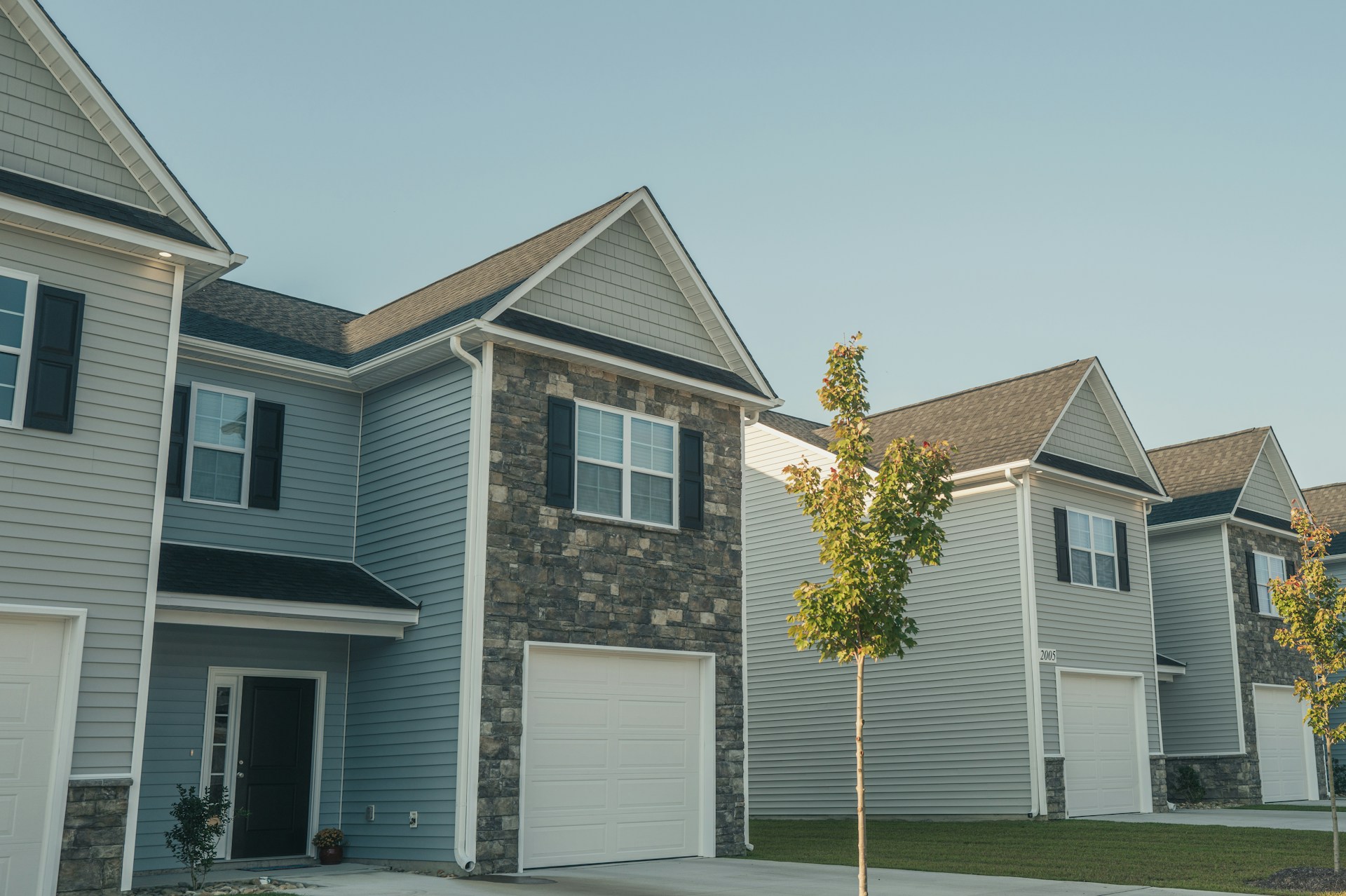
Residential demolition in Toronto typically falls into one of three categories: building from scratch, expanding an existing home, or removing a structure that’s no longer suitable.
Types of Residential Demolition Projects
- Full teardown: Removing an entire house to build a new custom home
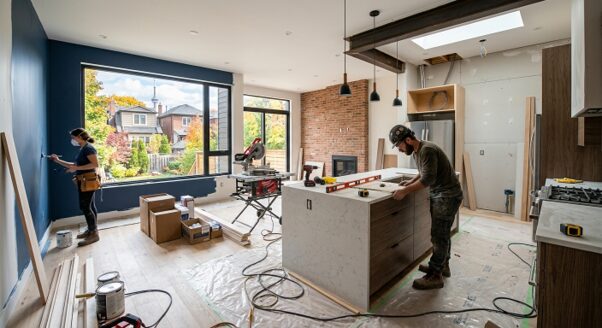
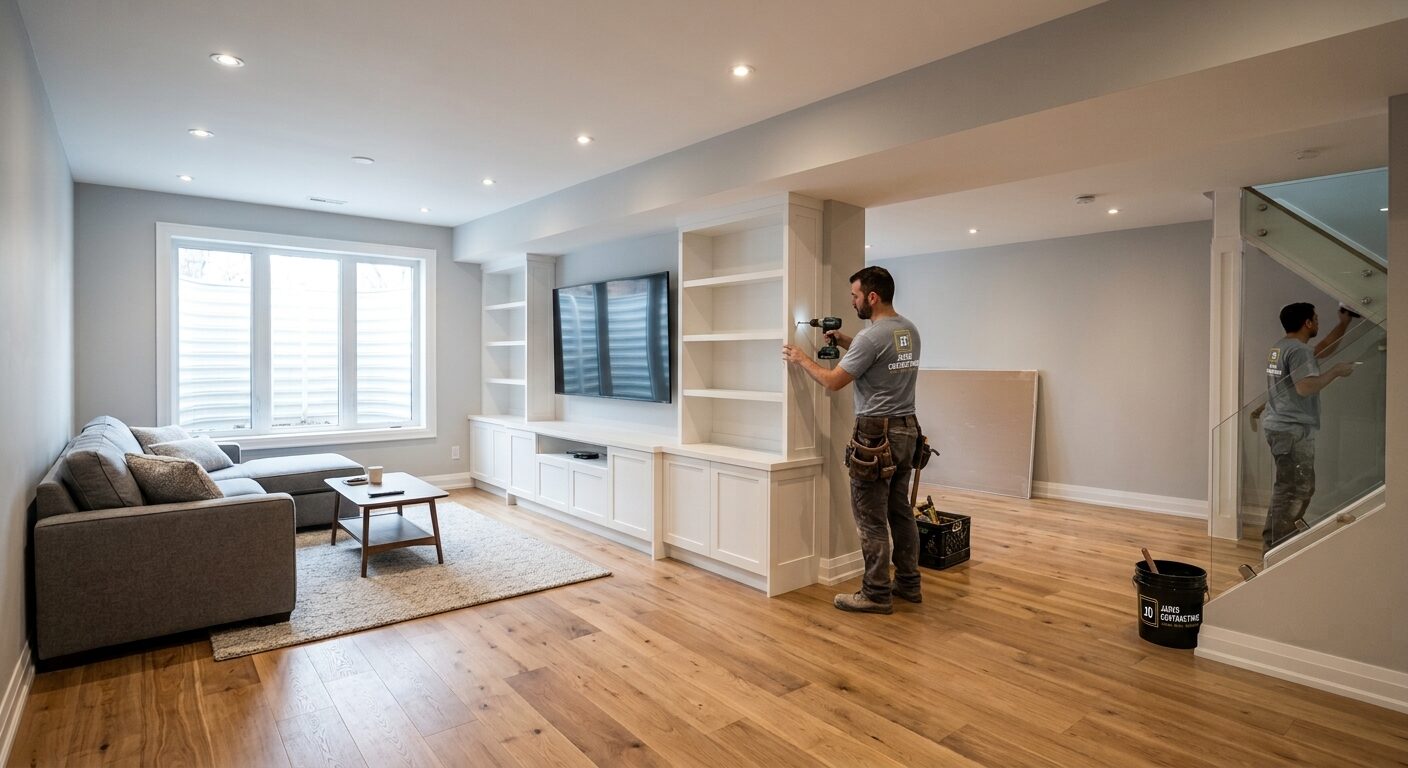
- Interior demolition: Gutting a kitchen, bathroom, or basement before a renovation
- Selective demolition: Removing a specific portion of a structure, like a garage or an addition, while preserving the rest
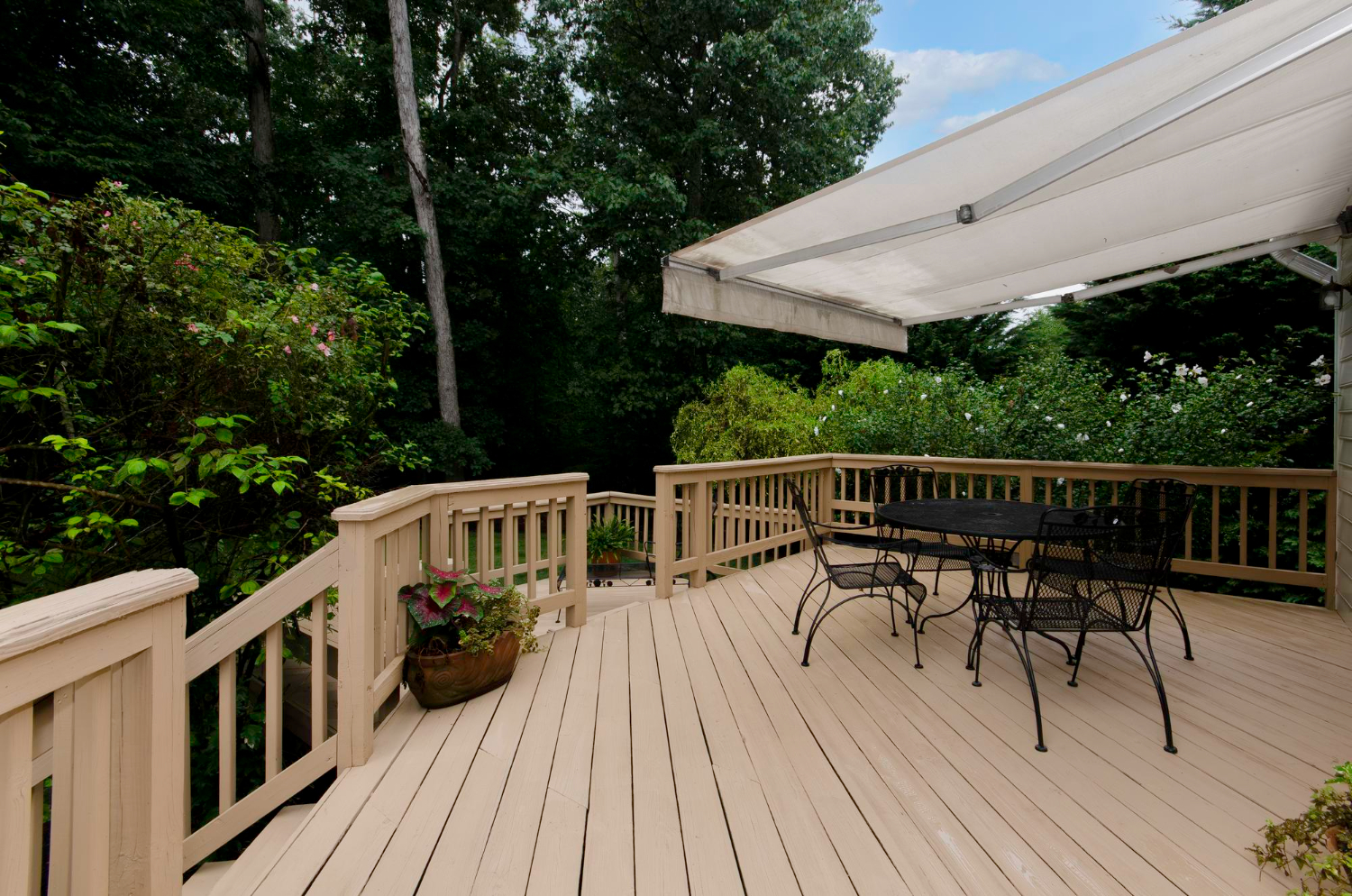
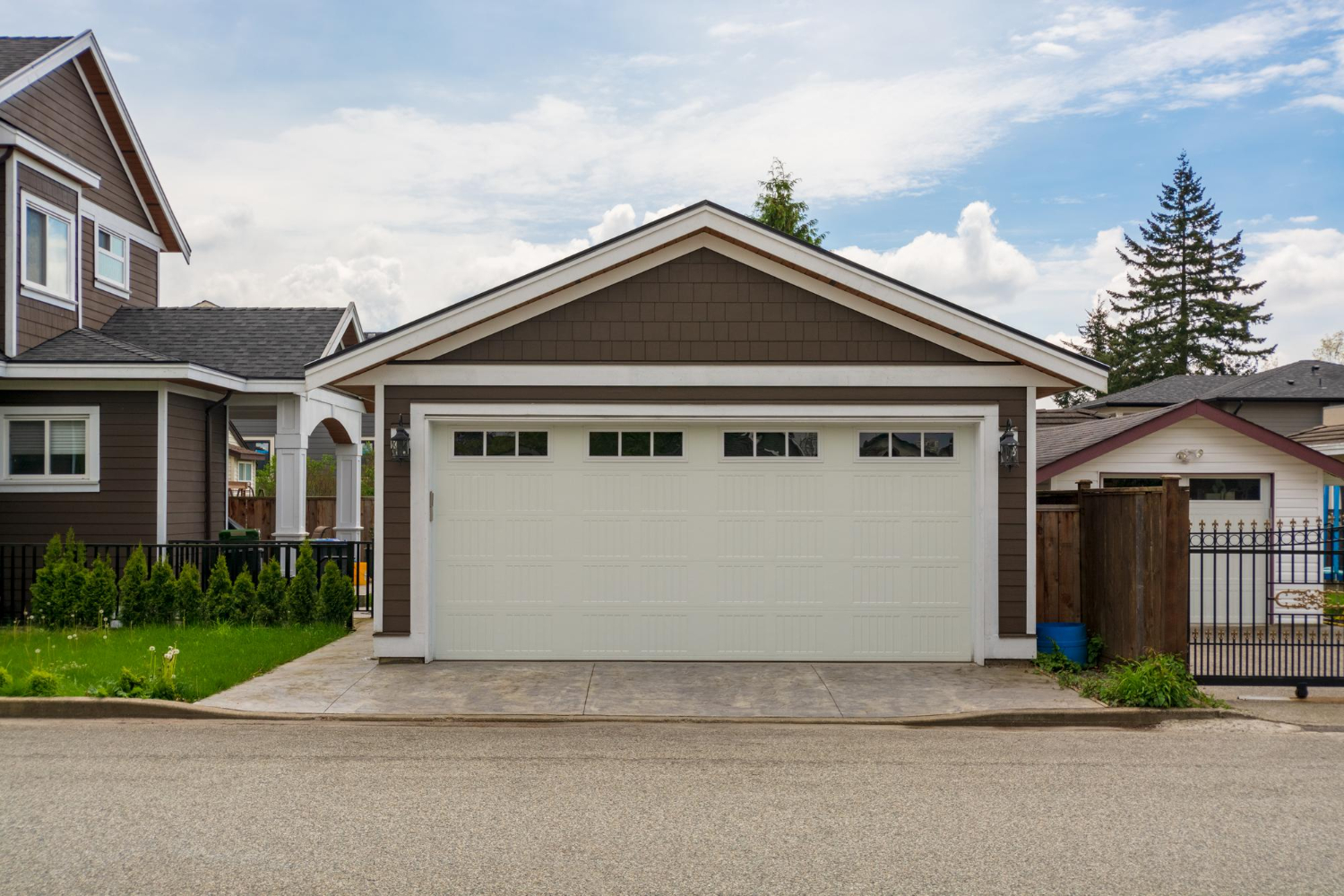
- Accessory structure removal: Sheds, fences, pools, or detached garages
What Sets Residential Demolition Apart
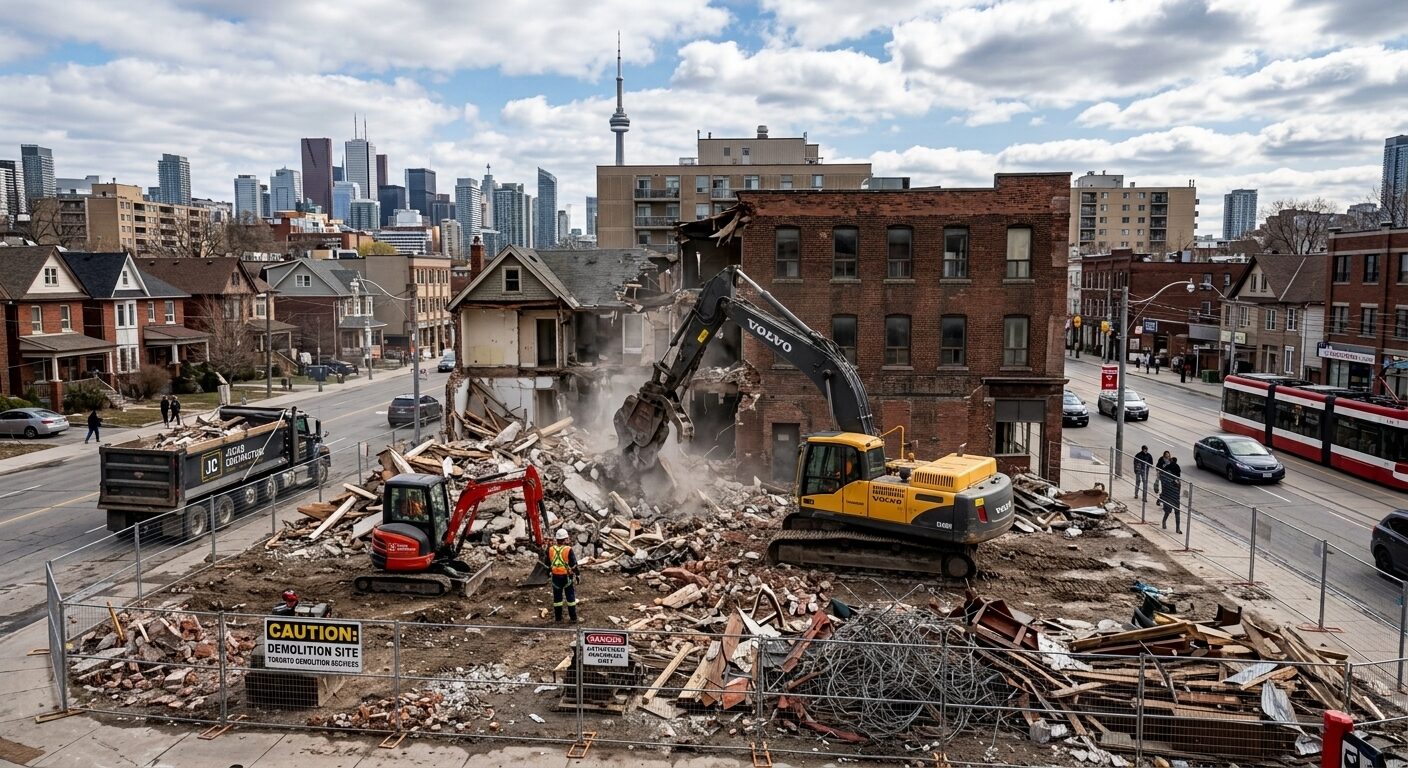
Residential sites are generally on a smaller scale and may be situated in compact, well-established areas with restricted road access. This calls for careful work with regard to other buildings in the neighbourhood, underground utilities, mature trees, and small driveways. There will also be tougher noise bylaws and working hour regulations in place.
The use of older materials in houses calls for a pre-demolition assessment. Older homes can have materials such as asbestos and lead paint, especially if the home was constructed prior to the 1980s.
What Is Commercial Demolition?
This entails the dismantling of buildings that are bigger than residential buildings, including office buildings, shopping complexes, warehouses, restaurants, and industrial buildings. Toronto construction workers carry out these demolitions using more equipment than is used in demolishing residential buildings.
Types of Commercial Demolition Projects
- Full building demolition: Clearing an entire commercial structure for redevelopment
- Interior strip-outs: Removing fixtures, drywall, and systems for a tenant renovation or rebrand
- Structural demolition: Removing load-bearing walls or entire floors in multi-storey buildings
- Site clearing: Preparing land for large-scale commercial or mixed-use development
What Sets Commercial Demolition Apart
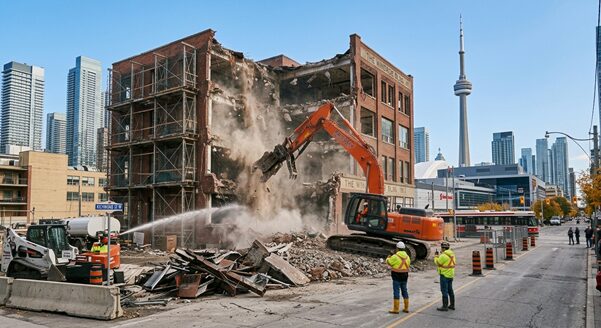
Commercial structures are generally bigger in size, have more complicated structural designs, and require other construction materials such as steel frames and concrete slabs than residential houses. Consequently, there is a requirement for bigger machinery to be used, such as excavators, hydraulic breakers, and demolition booms.
Commercial sites involve additional bureaucracy since there may be a need for environmental studies, engineering surveys, and disconnection of utilities depending upon the past and present condition of the building.
Residential vs Commercial Demolition: Key Differences at a Glance
Although both methods of demolition have the same objective in mind, that is, removing a building efficiently and effectively, the procedures, permits, and financials involved can be very different. Here’s a comparison to show how they differ from each other.
Comparison Table: Residential vs Commercial Demolition Services
| Factor | Residential Demolition | Commercial Demolition |
| Project Scale | Single homes, garages, decks, small structures | Office buildings, plazas, warehouses, industrial sites |
| Typical Timeline | A few days to a couple of weeks | Several weeks to months, depending on size |
| Equipment Used | Excavators, skid steers, hand tools, small hauling trucks | Heavy excavators, hydraulic breakers, cranes, high-reach arms |
| Permits Required | Residential demolition permit, tree protection permits (if applicable) | Demolition permit, environmental assessments, utility disconnection approvals |
| Site Access | Often tight, narrow streets, close to neighboring homes | Larger lots, but may involve traffic management and public safety zones |
| Hazardous Material Risk | Possible asbestos and lead paint in older homes | Higher likelihood of asbestos, industrial chemicals, or structural hazards |
| Regulatory Oversight | Municipal building department | City planning, environmental agencies, sometimes provincial oversight |
| Cost Range | Generally lower, based on square footage and site access | Generally higher, driven by scale, complexity, and disposal volume |
| Crew Size | Small, specialized teams | Larger crews with engineers, site supervisors, and specialized operators |
What Permits Do You Need for Demolition in Toronto?
Whether it is for renovation purposes or not, any demolition procedure in Toronto needs to have a permit issued by the city council prior to commencing the project.
Internal Image: https://canva.link/mgxzir1raxa9g5k
Residential Demolition Permits
Most residential demolitions will require a demolition permit to be issued by the City of Toronto, and many times also a building permit for the structure that will replace it. In addition, if there are protected trees on the property, a permit to remove or protect the trees may be required.
A reputable demolition company that homeowners trust will take care of all this bureaucracy for you.
Commercial Demolition Permits
Commercial demolitions normally need a much more elaborate application procedure. The application process for commercial demolition can include such things as structural engineering studies, environmental impact studies (in the case of older industrial buildings), and utility disconnections from the service providers, as well as the need for public notice if the site abuts a busy street.
When there is a bigger project for commercial demolition, then the traffic management division of the city needs to be informed.
Cost Considerations for Demolition in Toronto
Costs tend to be the deciding element that property owners consider when evaluating their choices, so it would make sense to find out the factors that influence costs on both sides.
Factors That Affect Residential Demolition Costs
- Size of the structure being removed
- Site accessibility (narrow lots or tight laneways increase labor time)
- Presence of hazardous materials requiring abatement
- Disposal and hauling fees
- Whether utilities need to be disconnected first
Factors That Affect Commercial Demolition Costs
- Total square footage and number of floors
- Structural complexity (steel, reinforced concrete, etc.)
- Environmental remediation requirements
- Equipment rental (cranes, high-reach machinery)
- Site logistics, including traffic control and public safety measures
The overall cost per job of commercial demolition may be higher simply because of the scale of work, but residential demolition can become costly when there are hazardous materials or access issues on the property. The best approach to avoiding any unpleasant surprises is to have an accurate estimate from a reliable demolition contractor in Toronto.
How Do You Choose the Right Demolition Contractor?
Regardless of whether your project is domestic or industrial, the contractor is just as important as the kind of demolition itself. Here’s what to consider:
Experience With Your Project Type
Enquire if the company has experience with projects like your project before in terms of size and complexity. A company that is familiar with house demolition will not be equipped for a multi-storey commercial building demolition and vice versa.
Proper Licensing and Insurance
Every competent demolition company should be insured and must be able to show proof of WSIB insurance. In this way, you are covered in case something happens during the course of the demolition process.
A Clear Permit and Compliance Process
A contractor familiar with the permitting process in Toronto will keep your project on schedule and out of stop-work orders.
Responsible Waste Disposal
Find out about sorting, recycling, and disposal of the rubble. Most cities provide incentives to recycle building waste whenever possible.
Transparent, Itemized Quotes
An honest demolition contractor in Toronto will provide a comprehensive explanation of the work to be done, time frame, and prices before bringing any machinery to the job site.
Ready to Start Your Demolition Project?
Whether it is a complete home demolition, a smaller interior demolition project, or a commercial demolition, the selection of the right team will ensure safety, timely completion, and efficiency in cost management for your project.
Jacko Contracting offers demolition services in Toronto you can rely on. Our services cover commercial, residential, interior, and selective demolition services in the GTA area, along with complete insurance coverage and a staff who will take care of the permitting process for you. Contact us today to get a complimentary and obligation-free quote and begin the process of clearing the path for your next project.
FAQs
How long does residential demolition take in Toronto?
The process generally lasts from a few days to two weeks, depending on the size of the structure to be demolished and the presence of any hazardous materials that might need disposal prior to demolition.
Do I need a permit to demolish a house in Toronto?
Yes. A permit is required by the City of Toronto for any demolition of houses and replacement buildings.
Is commercial demolition more expensive than residential demolition?
Yes, mostly because of the large scale, but also due to the equipment used. However, there are cases of demolitions in residential construction that have higher costs.
What happens to the debris after a demolition project?
Debris will be removed and then classified into recyclable waste and other categories, such as dangerous materials and those sent to landfill.
Can a demolition contractor also handle site prep for new construction?
Most of the demolition contractors provide services to clear and grade sites so that the site can be prepared for future construction.
How do I know if my property has asbestos before demolition?
This can be identified via a hazardous materials survey done prior to demolition, particularly in buildings which were built prior to the 1980s. A good contractor can set this up prior to demolition.
What’s the difference between selective demolition and full demolition?
Selective demolition involves demolishing just one portion of the building, such as the wall or garage, while keeping everything else as it is.