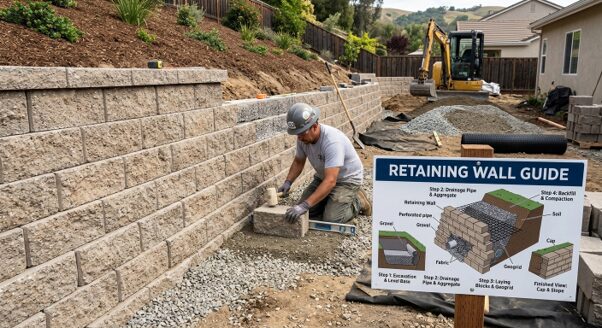
The retaining wall is an essential element of modern landscape design and construction and serves both practical and aesthetic purposes for both residential and business sites. These walls are capable of controlling soil movements and erosion, managing the roughness of the land, and expanding the usable outdoor territory.
In 2026, retaining walls go beyond merely being useful structures. Homeowners start paying attention to the design elements that would make a retaining wall durable, stylish, and valuable in the long run. The selection of materials, wall types, and construction are some of the critical elements to succeed.
This retaining wall guide discusses the various types, uses, and designs of retaining walls to assist you in making the right decision for your property.
What Is a Retaining Wall?
The retaining wall is a structure used to keep soil in place and to create stability in the landscape with varying levels of elevations. Such walls are built in such a way that they can withstand the forces of soil, water, and the environment.
Retaining walls differ from landscape borders because the process entails careful engineering and planning for strength and stability. There are several elements that play into the performance of the wall, such as the type of soil, drainage, height of the wall, and materials used.
Retaining walls are commonly used in gardens, backyards, commercial properties, and areas where controlling soil movement is necessary.
Why Are Retaining Walls Important?
Retaining walls have many advantages that make properties more secure and aesthetically pleasing at the same time. These walls serve a lot of functions and increase the value of outdoor areas.
Preventing Soil Erosion
One of the key retaining wall functions is the prevention of soil erosion. It happens due to water, soil movement, or any other external factors that cause soil erosion.
A well-built retaining wall retains soil and thus protects your garden, lawn, and other areas of the landscape.
Creating More Usable Space
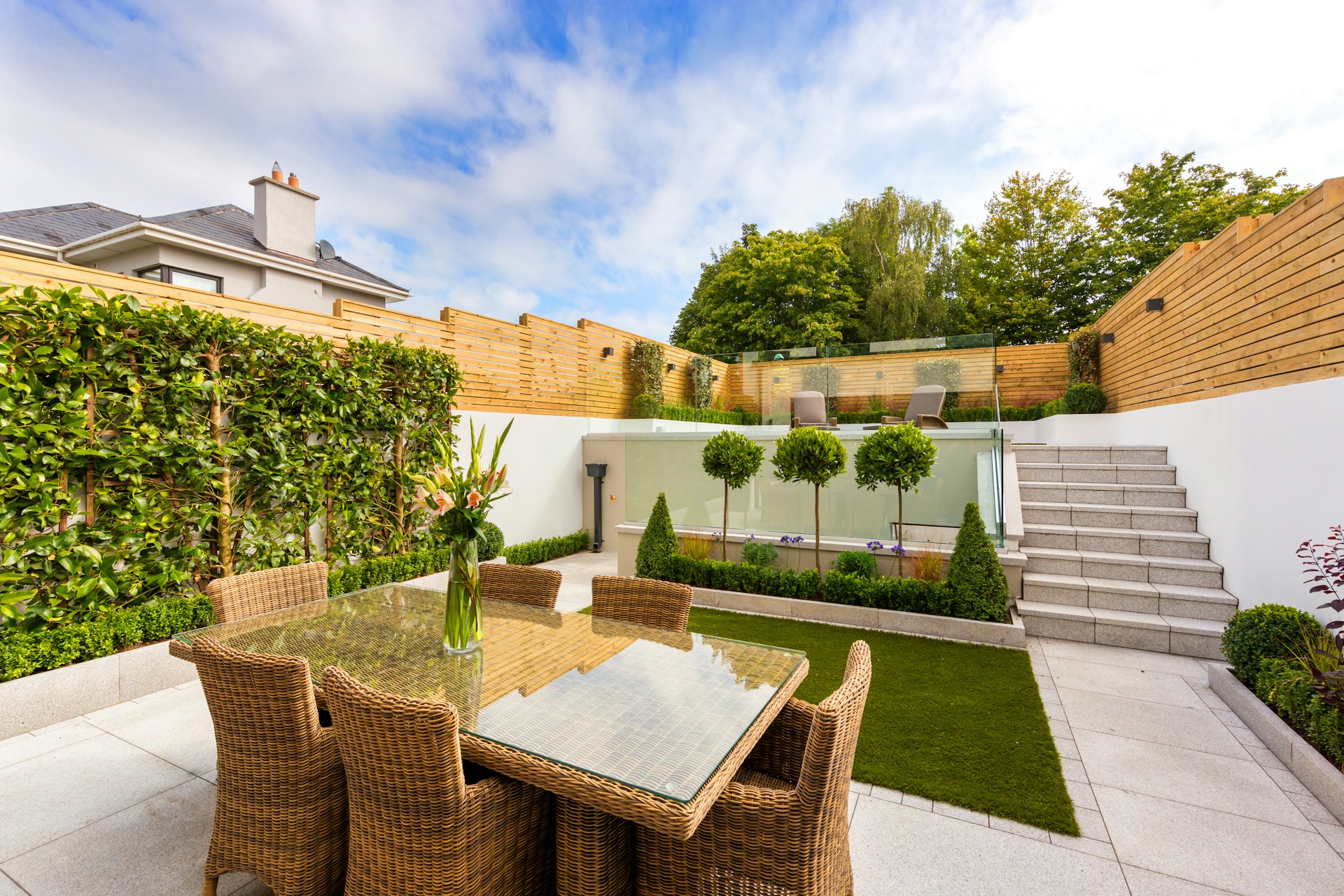
In most cases, sloping land does not allow for too much useful space. The construction of retaining walls is a way of making uneven spaces flat to use them as patios, garden spots, seating spaces, and walking areas.
It is a great way for homeowners to make the best use of their outdoor space and create an attractive landscape at the same time.
Enhancing Property Appearance
Retaining walls can be very useful for improving the visual appeal of your landscape, as they offer great variety when it comes to material, texture, and finish.
An effectively constructed retaining wall can serve as a beautiful addition to your landscape.
Types of Retaining Walls
The choice of the proper construction depends on various factors, including soil type, cost, and objectives of the project. Knowledge about the types of retaining walls allows homeowners to pick an appropriate wall for their needs.
Gravity Retaining Walls
The gravity retaining wall relies on its weight to withstand soil pressures. The material used in the construction of this type of wall includes concrete blocks, stone, or masonry.
This type of retaining wall is used in small landscaping applications due to its simplicity and effectiveness.
Cantilever Retaining Walls
The cantilever retaining walls make use of reinforced concrete and a base system to effectively distribute the pressure. These walls offer good stability but consume less material than gravity walls.
They can be used in large-scale projects where more strength is required.
Segmental Retaining Walls
These retaining walls are constructed from individual blocks of concrete without the use of any cement in between. These walls are strong, flexible, and come in different forms.
Due to their aesthetically pleasing nature, they are widely used for residential retaining walls, such as backyards, raised gardens, and garden landscapes.
Anchored Retaining Walls
Anchored retaining walls employ additional reinforcing systems like cables and anchors to gain further support.
These retaining walls are often employed in difficult situations because they need more stability on account of greater soil pressure.
Popular Retaining Wall Styles for 2026
Today’s homeowners prefer retaining walls that can provide both functionality and aesthetics. Contemporary retaining wall styles present the advantages of practicality and creativity in landscape design.
Natural Stone Retaining Walls
Natural stone retaining walls continue to be a choice that is highly regarded because of the classic nature of their appearance. They suit any environment and give an elegant, natural look.
Natural stone’s distinctive features of color and texture make each one uniquely appealing.
Concrete Block Retaining Walls
Retaining walls made from concrete blocks have characteristics like sturdiness, cost-effectiveness, and versatility. They come in a variety of designs, colors, and finishes that suit diverse types of property.
Their sturdiness and minimal maintenance demands make them an effective option for many homeowners.
Timber Retaining Walls
Timber retaining walls can provide an aesthetic look. Timber retaining walls are usually used in small-scale landscaping projects.
It is crucial to use appropriate treatments and maintain these walls to avoid damage due to moisture and weather conditions.
Key Factors to Consider for Retaining Wall Design
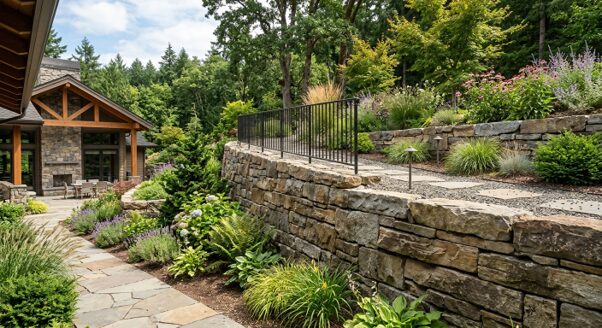
Planning is very important if you want to create a durable and safe structure. Proper retaining wall design takes into account various aspects before the construction work starts.
Soil Conditions
The nature of soil surrounding your property will influence the load on the wall. Various soil conditions will need various approaches during construction.
It is important to understand soil conditions in order to make the best decision.
Drainage Requirements
The drainage system is an integral part of retaining walls. Accumulation of water behind the retaining wall will add pressure and cause the wall to crack or move.
It is important to use appropriate drainage systems for the protection of the wall and its longevity.
Wall Height and Location
The height and location of a retaining wall play an important role in determining the construction process.
Selecting the appropriate location helps in making sure that the wall is functional and also enhances the landscape design.
Material Selection
Choice of material is based on factors such as budget, maintenance, and desired look. Good quality materials offer more durability and help retain the look of the wall.
Benefits of Residential Retaining Walls
Residential retaining walls are gaining popularity due to their ability to increase functionality and boost the value of homes.
Some typical uses for these retaining walls include:
- Garden terraces
- Patios and walkways
- Sloped lawn management
- Drainage
- Decorative landscape elements
The professional design of a retaining wall can turn any outdoor space into a functional and beautiful one.
Choosing the Right Retaining Wall Solution
Each site has its own unique demands; hence, the need to select the correct retaining wall based on factors such as the landscape, preference, and needs.
Proper planning ensures the wall is well constructed and lasts for a long time. Expert contractors will be able to advise you on the best approach for constructing your wall.
Conclusion
Retaining walls give great strength and protection, along with versatility in design. Retaining walls play their role in avoiding erosion problems, increasing the usability of the outside area, and improving the aesthetics of the property.
Through gaining knowledge about the various types of retaining walls, learning about the latest retaining wall styles, and considering the design aspects of Retaining Walls, people can make wise choices regarding their landscaping needs.
With proper construction of the wall, you can get not just a functional but also an excellent investment for your landscape.
Frequently Asked Questions
1. What is the main purpose of a retaining wall?
The retaining wall assists in retaining soil, preventing erosion, managing slopes, and creating additional outdoor space.
2. What are the most common types of retaining walls?
The Types of Retaining Walls that are mostly common are gravity walls, cantilever walls, segmental retaining walls, and anchored retaining walls.
3. Are retaining walls suitable for residential properties?
Yes, residential retaining walls are commonly used for gardens, patios, walkways, and landscape constructions.
4. Why is drainage important for retaining walls?
Drainage decreases the amount of pressure on the wall and prevents damage to its structure.
5. How long can a retaining wall last?
With good quality material and proper construction of the wall using retaining wall design, it can stand for decades.