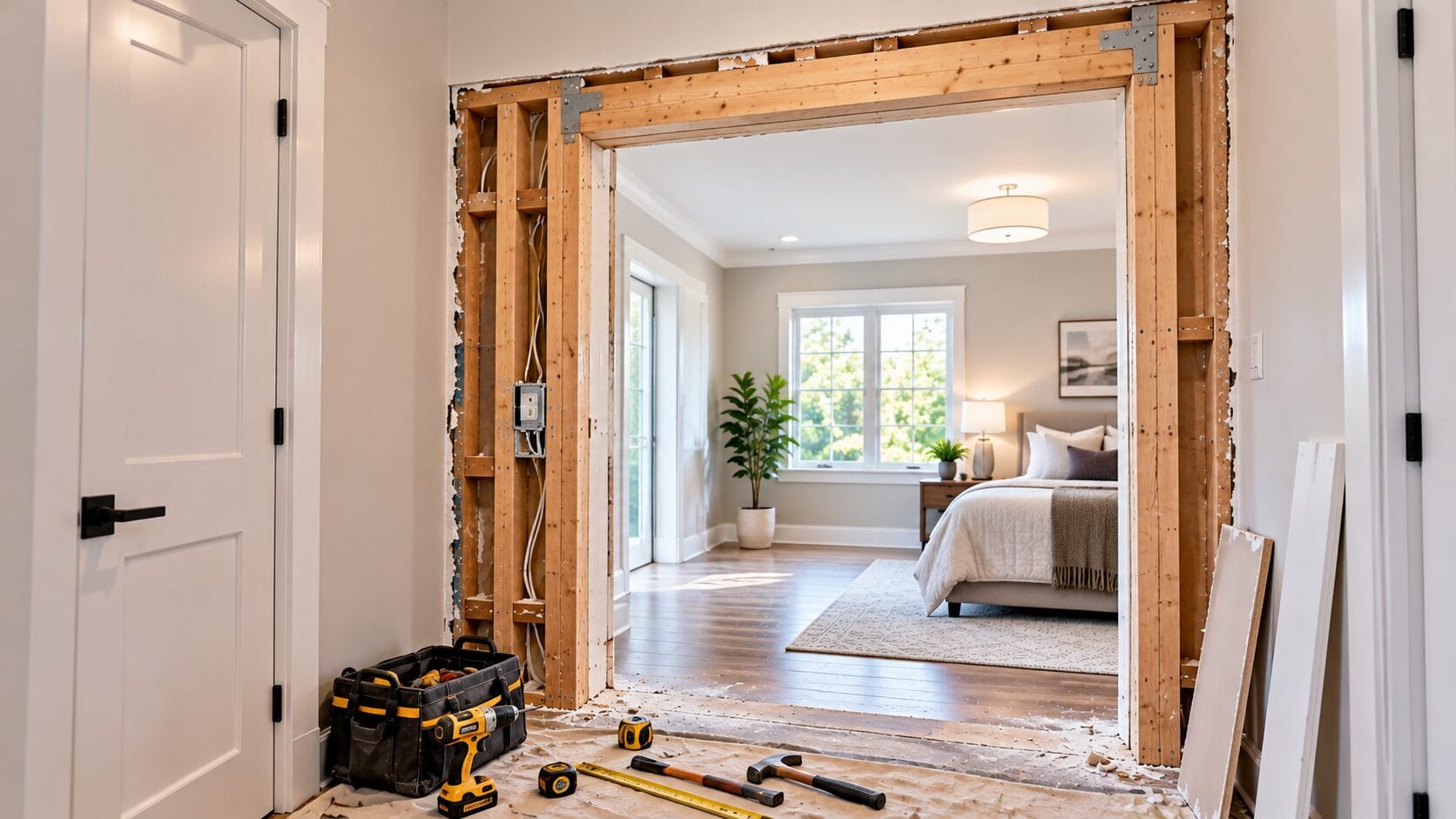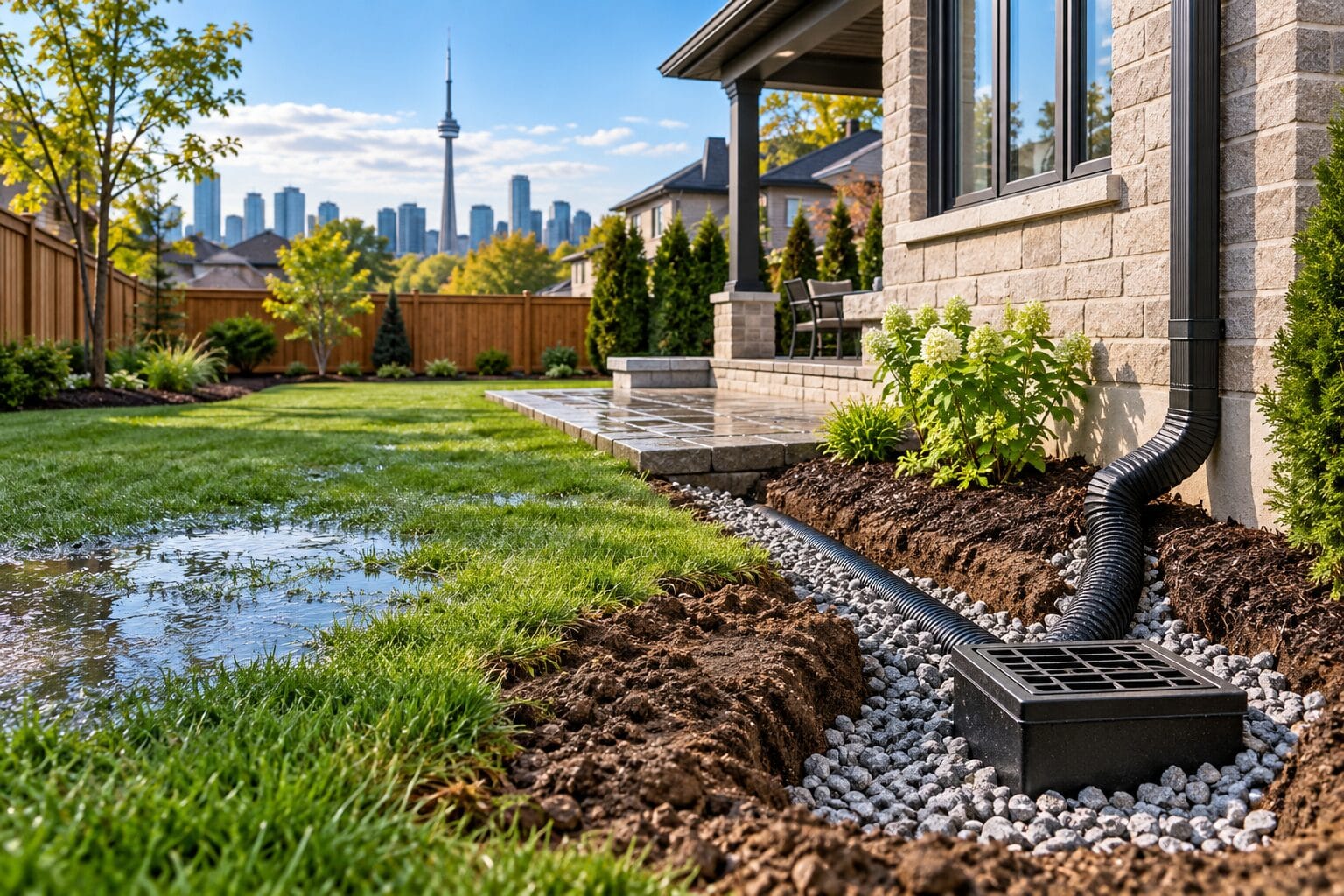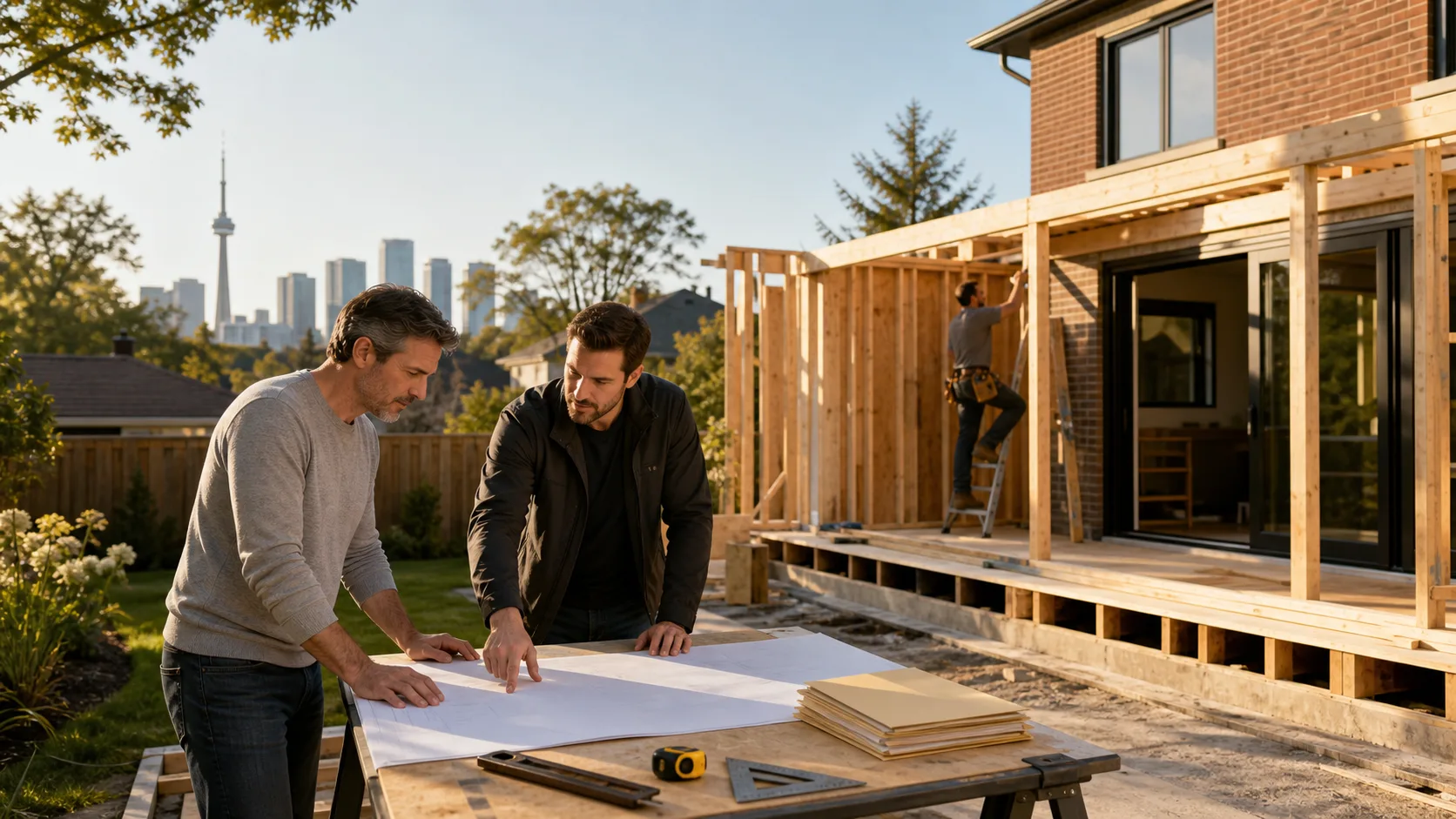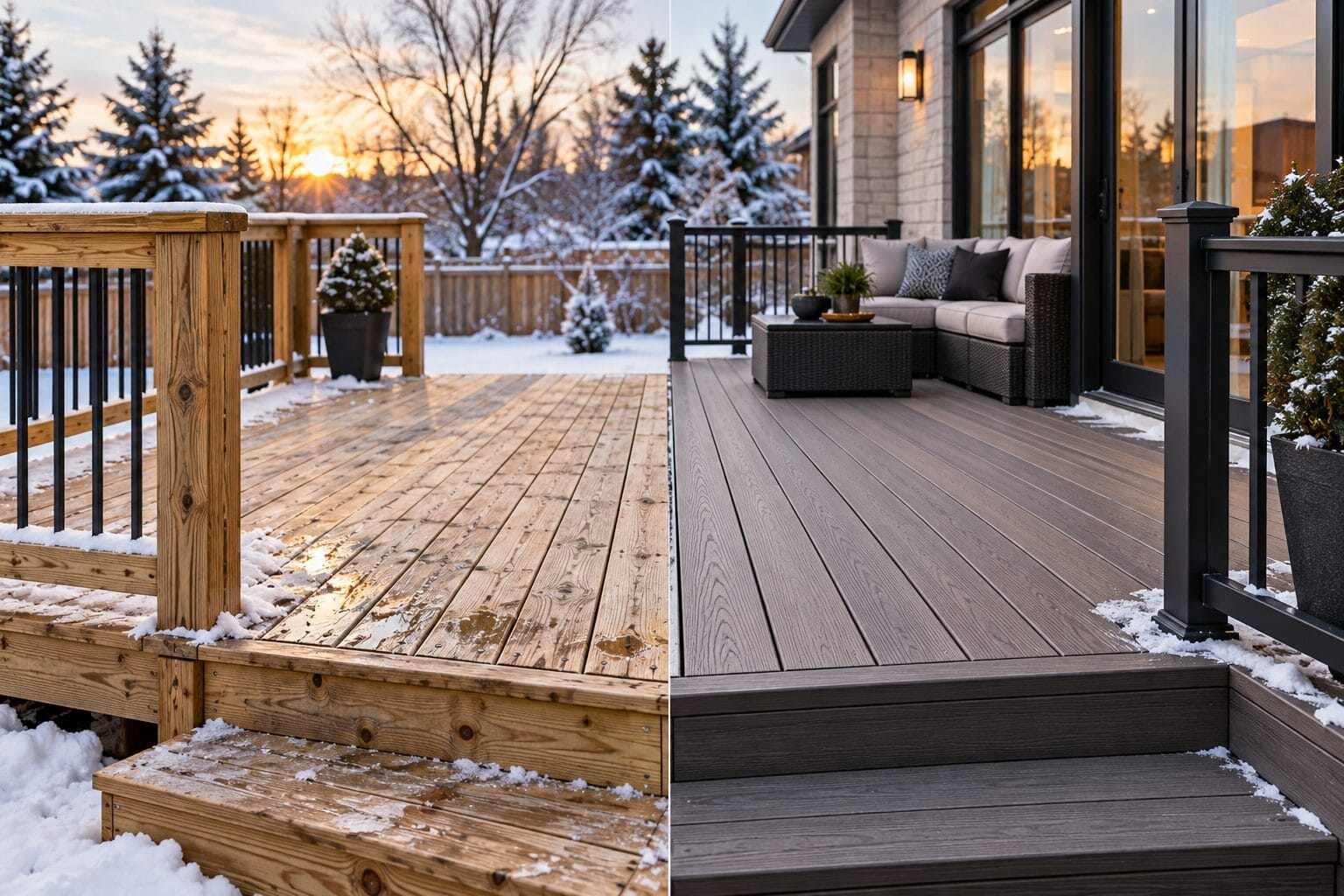
Choosing the best construction company in Toronto requires verifying five core credentials before signing a contract: an active City of Toronto Municipal Licensing & Standards (MLS) license, an up-to-date WSIB Clearance Certificate, a minimum of $2 Million to $5 Million in Commercial General Liability Insurance, dedicated handling of City of Toronto Building Permits, and a milestone-based payment schedule. Utilizing a structured 10-point evaluation checklist protects homeowners from unpermitted work, hidden scope fees, and costly project delays.
Why This Decision Matters More Than the Quote
The lowest number on a quote often hides the real cost. Missing permits, unclear payment terms, and subcontractors nobody vetted all show up later, usually after the deposit is spent. These gaps rarely surface during the sales conversation, since they only become obvious once work is underway and changes start costing more than anyone expected.
A proper construction company Toronto homeowners can trust will walk you through scope, timeline, and cost before asking for a signature, not after, and will explain exactly how each part of the budget was calculated so there are no surprises once the project actually begins.
The 2026 Checklist for Choosing a Construction Company
1. Confirm Licensing and Insurance: Ask directly for proof of an active City of Toronto Municipal Licensing & Standards (MLS) license and Commercial General Liability Insurance, ideally $2 Million to $5 Million rather than a bare minimum policy. A company that hesitates to show this is telling you something important.
2. Check WSIB Clearance Status: This protects you if a worker is injured on your property. Any legitimate contractor offering construction services in Toronto should be able to produce a current WSIB eClearance Portal certificate on request without delay.
3. Ask Who Handles Permits: Permit applications submitted to the City of Toronto Building Division for structural, electrical, or plumbing work should be part of the process, not an afterthought you are left to sort out. Confirm this upfront so nothing gets built without proper Ontario Building Code (OBC) approval.
4. Review Real Project Photos: Renderings show intent. Photos of finished work show what the company actually delivers, including the details that separate a clean job from a rushed one.
5. Get a Written Quote: A verbal figure given during a walkthrough is not the same as an actual quote. Ask for a breakdown by labour, materials, and any allowances, so you know exactly what you are paying for and where a change order might come from later.
6. Understand the Payment Schedule: Payments should be tied to project milestones, not a large deposit upfront followed by vague promises. A reasonable schedule protects both sides.
7. Ask About Warranty Coverage: A company confident in its work will stand behind it in writing. Ask what is covered, for how long, and what the process looks like if something needs to be fixed after the crew leaves.
8. Read Verified Customer Reviews: Testimonials are curated. Third-party reviews on Google or HomeStars give you a fuller picture, including how a company handles problems when they come up.
9. Confirm Who Runs the Site: Some companies subcontract everything and manage from a distance. Ask who leads the crew day to day and how often you can expect updates during the build.
10. Get Everything in Writing: Scope, timeline, payment terms, and warranty details should all be documented in a CCDC-style fixed-price contract with milestone payment schedules and clear holdback retainage terms under the Construction Act of Ontario. Verbal agreements are the most common source of disputes once a project is underway.
What to Look For and What to Avoid
Sometimes the fastest way to size up a company is to watch how they respond during that first conversation. Here are the signals worth paying attention to before you sign anything.
| What to Look For | What to Avoid |
| Provides licensing and WSIB proof without being asked twice | Vague or delayed answers about insurance and licensing |
| Gives an itemized written quote | Only offers a rough verbal estimate |
| Handles permits as part of the scope | Expects you to apply for permits yourself |
| Shows real project photos and references | Relies only on stock images or renderings |
| Ties payments to project milestones | Asks for a large deposit upfront with no schedule |
Questions Worth Asking in Person
Before hiring, run through these questions face to face rather than over email:
- How does the company handle delays if materials or permits get held up?
- Who manages communication if the project manager is unavailable?
- What happens if unexpected issues come up once walls or floors are opened?
- How often will you receive updates once the project is underway?
- Who is responsible for cleanup and final walkthrough before sign-off?
The answers tell you more about how a company operates than any brochure will. A general contractor Toronto homeowners can rely on should answer these questions clearly and without hesitation, since these are the moments that actually test a working relationship.
Final Thoughts
Choosing a contractor is less about finding the cheapest bid and more about finding a team that communicates clearly, handles the paperwork correctly, and stands behind its work once the job is done.
Running through this checklist before you sign anything is the simplest way to avoid the most common regrets homeowners share after a renovation goes wrong. The best construction company in Toronto for your project is the one that makes every step of this process easy to verify, not the one that asks you to just trust them.
At Jacko Contracting, we are fully licensed, insured, and WSIB compliant, and we walk every homeowner through permits, quotes, and timelines before a single tool comes out. If you are comparing contractors for an upcoming project, we are happy to answer every question on this list directly.
Frequently Asked Questions
1. How do I verify a contractor’s license in Toronto?
Verify a contractor by requesting their Municipal Licensing & Standards (MLS) Trade License number directly, or by searching the official City of Toronto Licensed Trades and Contractors directory. Ensure their license matches their specific category (e.g., Building Renovator or General Contractor).
2. What is a WSIB clearance certificate and why does it matter?
It confirms a contractor’s workers are covered for on-the-job injuries. Without it, a homeowner could be held liable if someone is hurt on their property.
3. Should I always choose the lowest quote?
Not necessarily. A very low quote can signal missing permits, unlicensed labour, or corners being cut on materials. Compare scope and inclusions, not just the total number.
4. How long should a construction quote take to receive?
A detailed, itemized construction quote typically takes 3 to 7 business days following an on-site consultation, spatial measurement, and review of architectural drawings. Be cautious of immediate verbal estimates, as they rarely account for structural or permit variables.
5. What should be included in a construction contract?
A solid contract includes scope of work, timeline, payment schedule, warranty terms, and who is responsible for permits, so nothing is left open to interpretation later.