Summary: Protecting Outdoor Living Structures in the GTA
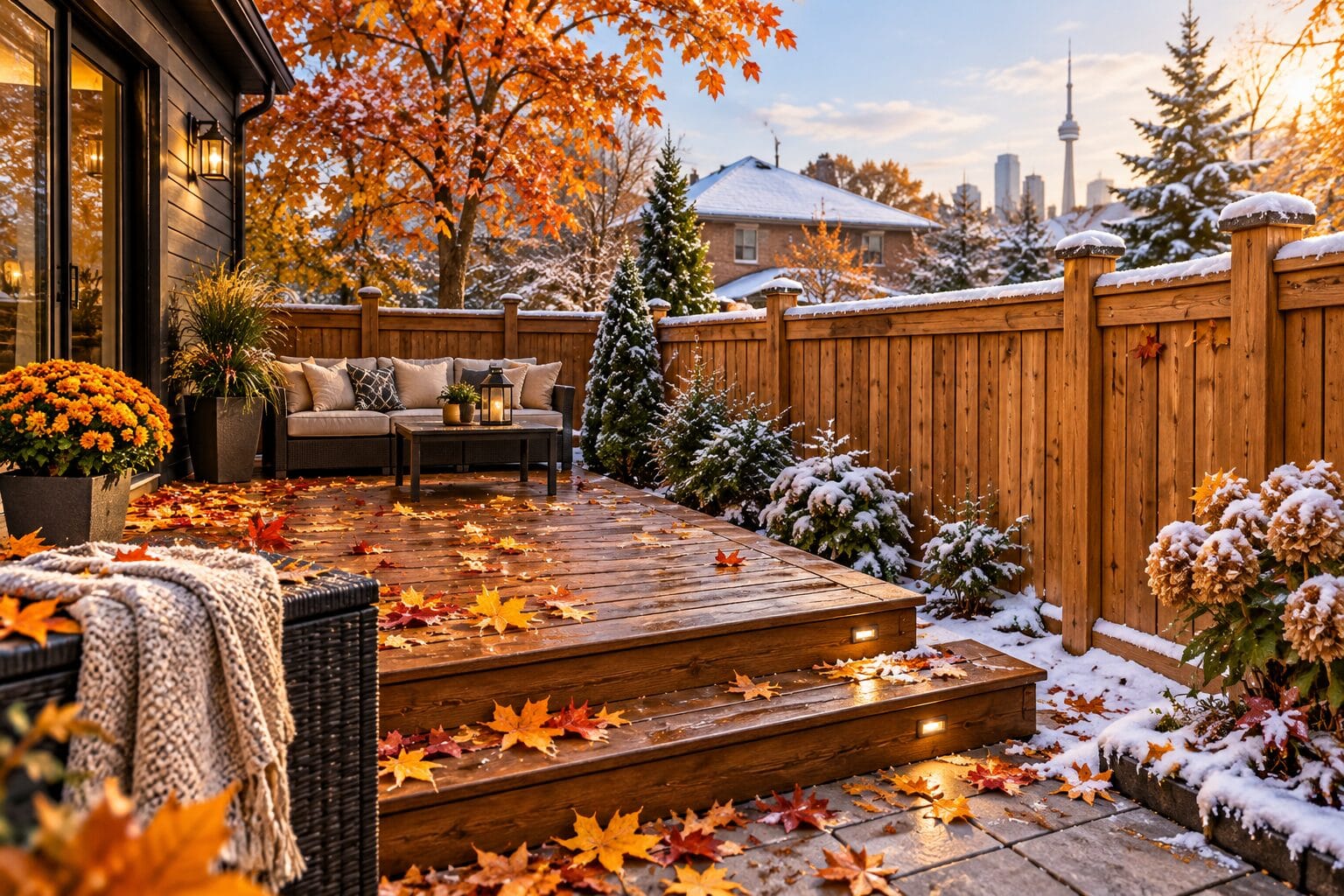
Greater Toronto Area winters place extreme mechanical stress on outdoor wooden and composite structures. Repeated freeze-thaw cycles—where trapped moisture expands upon freezing and contracts upon thawing—cause wood fibres to split, board fasteners to back out, and structural posts to shift. Compounding this issue is exposure to road salt, heavy snow loads, and lingering autumn debris that traps moisture against critical load-bearing framing. A proactive 30-minute visual and physical inspection in early autumn allows homeowners to identify minor structural fatigue, loose hardware, or failing sealants before harsh winter conditions cause costly, irreversible damage.
The Comprehensive Fall Deck Checklist
Systematic fall maintenance ensures structural integrity and safety throughout the winter season. Perform the following checks on your outdoor deck:
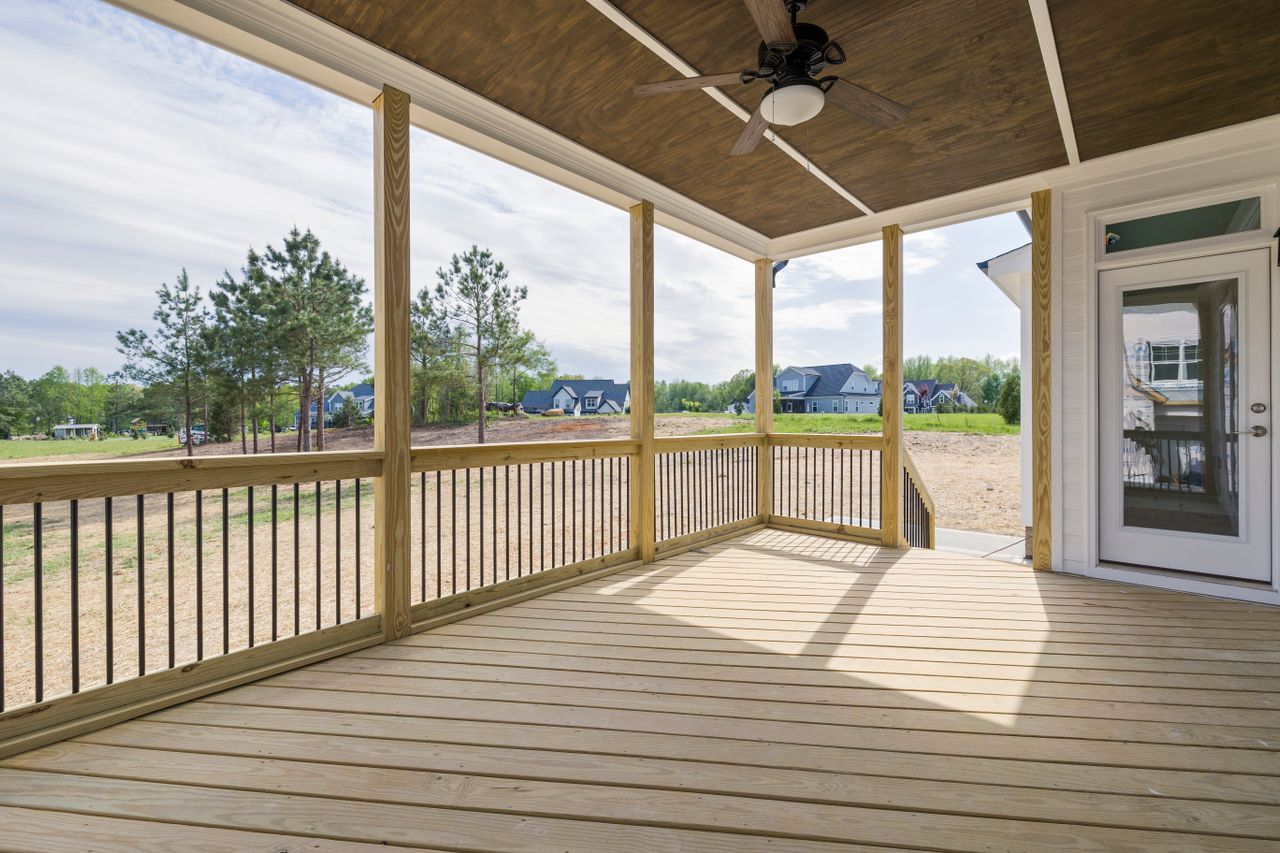
1. Loose or Popped Fasteners: Inspect deck boards and joist connections for loose, protruding, or rusted screws and nails. Cold weather contraction causes thermal shifting that pushes loose fasteners upward, creating tripping hazards and exposing wood interiors to rot.
2. Ledger Board & Flashing Integrity: Examine the ledger board—the critical structural connection linking your deck to the house foundation. Ensure flashing is intact, uncorroded, and correctly shedding water away from the building envelope. Water penetration here risks severe structural rot.
3. Board & Stringer Condition: Probe stair stringers, step treads, and structural joists with a screwdriver to detect soft spots, internal wood rot, or fungal decay. Damaged boards should be replaced before heavy winter snow accumulation adds significant weight.
4. Railing & Post Stability: Firmly shake all deck railings, guardrails, and support posts. Mechanical connections must be tight and secure. Guardrail stability is critical when navigating slippery deck surfaces during icy conditions.
5. Drainage & Gaps Between Boards: Clear accumulated leaves, pine needles, and organic debris from the gaps between deck boards. Blocked gaps prevent proper water drainage, leading to ice damming, standing water, and accelerated wood degradation.
The Fall Fence Maintenance Checklist
Fencing acts as a windbreak and boundary marker but suffers significant lateral stress during winter storms.
1. Leaning Posts & Structural Alignment: Inspect fence lines for posts that lean out of plumb. High autumn soil moisture combined with frost heave can lift inadequately anchored post footings.
2. Soil Clearance & Water Pooling: Check ground clearance around post footings. Ensure soil, mulch, or leaf piles are pulled back from the base of wooden fence posts to prevent standing water from accelerating ground-level rot.
3. Gate Alignment & Hardware Lubrication: Test gate hinges, latches, and drop bolts. Lubricate moving metal hardware with a weather-resistant silicone spray to prevent freezing and mechanical binding during sub-zero temperatures.
Material-Specific Care: Pressure-Treated Wood vs. Composite
Pressure-Treated & Cedar Wood Care: Wooden decks require a water-repellent sealer or stain to prevent moisture penetration. Perform a water-bead test: splash water onto the surface; if it absorbs immediately rather than stay beaded, re-apply a high-quality exterior sealer. Note: Sealing must be performed when ambient temperatures remain above 10°C (50°F) for at least 24 to 48 hours to cure properly.
Composite & PVC Deck Care: While composite decking does not require staining or sealing, organic debris left on composite boards over winter can cause surface staining, mold, and mildew growth. Scrub composite surfaces with a mild, manufacturer-approved deck cleaner and a soft-bristle brush before the first snowfall.
Winter Care Dos and Don’ts for Outdoor Surfaces
Protect your surfaces during active winter months by following these best practices:
DO: Use a plastic shovel or a push broom with soft bristles to clear snow. Never use sharp metal shovels, ice picks, or metal-edged scrapers, which can scratch, gouge, or permanently damage both wood finishes and composite capped surfaces.
DO: Choose calcium chloride or magnesium chloride ice melts over sodium chloride (rock salt). Avoid using ice-melt products on wood or composite unless specifically labeled safe by the deck manufacturer.
DON’T: Leave heavy, moisture-trapping rubber mats, concrete planters, or metal furniture on the deck over winter. Store patio furniture indoors or raise planters off the deck floor to prevent localized freeze damage and ring staining.
When to Call a Professional
While routine cleaning is easily handled by homeowners, certain warning signs demand professional structural assessment. Severe structural movement, noticeably sagging beams, widespread ledger board rot, or heave in concrete post footings require expert intervention.
Planning ahead is key: Late fall and early winter are ideal times to schedule spring repairs or lock in design and permitting for a complete deck rebuild or new fence installation. Booking early ensures your project is queued for early spring construction before peak seasonal demand.
Frequently Asked Questions (FAQs)
Should I seal my deck in fall or spring? Sealing should ideally be done in early fall, provided temperatures are above 10°C and weather conditions remain dry for 48 hours. Fall sealing locks out moisture before winter freeze-thaw cycles begin. If missed, execute the process in late spring after the wood has dried thoroughly.
Can snow load damage a deck? Yes, heavy snow accumulation and ice accumulation exert immense live load weight on deck framing. Ensuring your joists, beams, and structural posts are free of rot before winter prevents structural sagging or failure under heavy snow loads.
Is ice melt safe for composite decking? Standard rock salt (sodium chloride) can scratch composite surface coatings and leave white chemical residue. Use manufacturer-approved calcium chloride ice melts or clean coarse sand for traction.
How often should a deck be inspected? A thorough structural and surface inspection should be conducted at least once a year in early autumn, with a quick visual check performed in late spring.
Enhance Your Outdoor Living Space
Looking to upgrade or restore your outdoor living environment? Explore our specialized services:
Custom Decks: Discover custom framing, low-maintenance composite options, and deck builds on our Backyard Decks service page.
Privacy & Security Fencing: Explore durable pressure-treated, cedar, and privacy fencing options at Fence Installation.
Safety & Code Railings: Ensure safety compliance and aesthetic appeal by visiting our Railings Installation section.
Schedule an Inspection: Schedule a structural inspection or request an estimate for spring construction via our Contact Us page.