
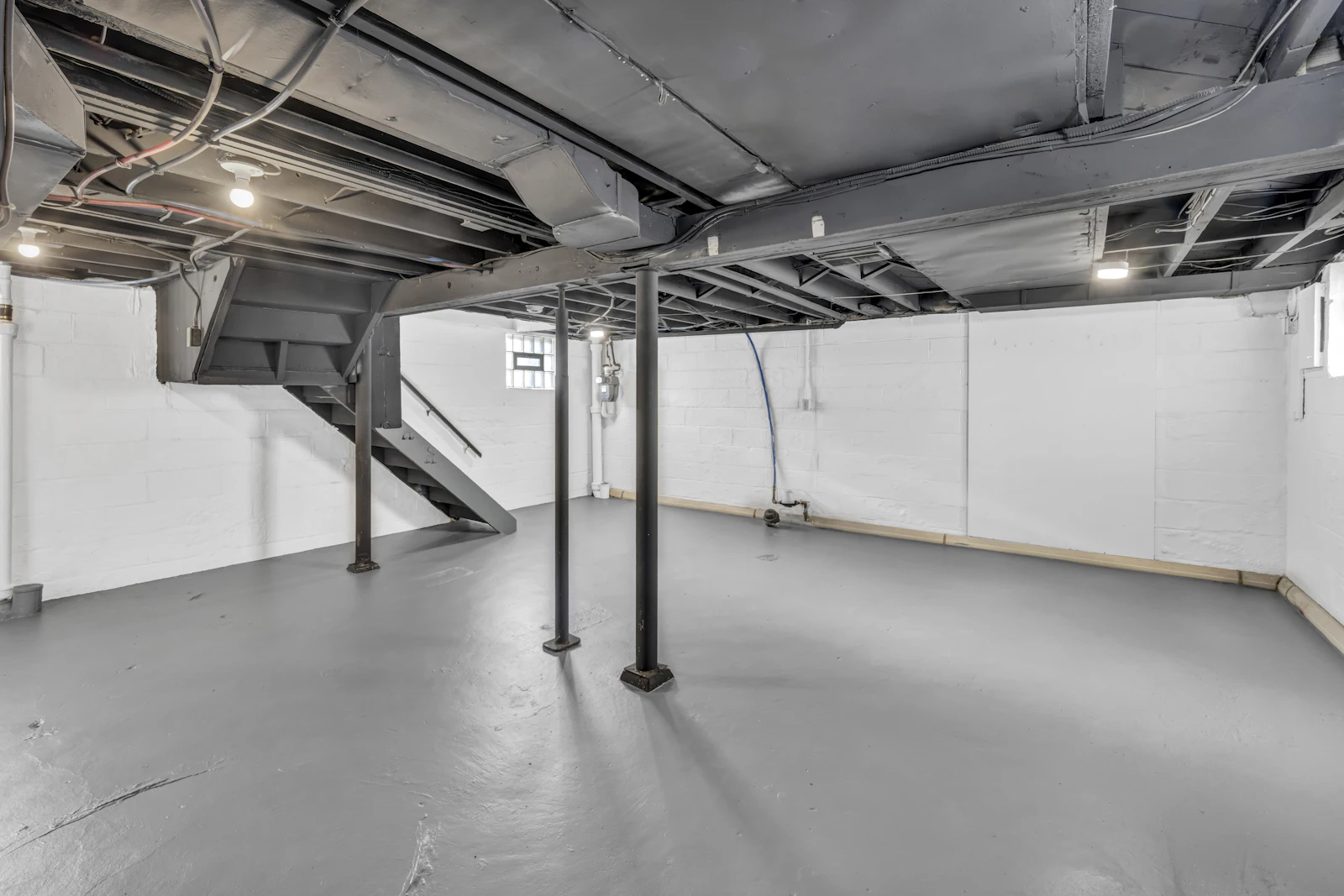
Basement waterproofing in Toronto typically costs $80 to $300 per linear foot, and most homeowners spend $8,000 to $20,000 for a full interior or exterior system, according to HomeStars’ Toronto basement waterproofing cost guide. Crack injection takes a few hours, an interior drainage system one to two days, and full exterior waterproofing around the house five to seven days. The City of Toronto says waterproofing repairs to a basement don’t need a building permit, but a backwater valve does, and the City’s Basement Flooding Protection Subsidy Program pays up to $6,650 per property toward eligible flood protection work.
Late fall is when most of the calls about wet basements start. The ground is saturated, the freeze-thaw cycle begins, and the stain on the wall you ignored in August is suddenly a puddle. Here is what each type of waterproofing costs in Toronto, which fix suits which problem, and how the City’s rules and subsidy fit in. For how we approach it on site, see our basement waterproofing service.
What does basement waterproofing cost in Toronto?
It depends mostly on whether the work is done from inside or outside, and how much of the foundation it covers. These are typical Toronto market ranges from HomeStars’ 2026 guide, not fixed prices and not our price list. The page doesn’t show an update date. HST is extra, and every job is quoted on site after we see the walls, the grading and the access.
| Work | Typical Toronto cost | Notes |
|---|---|---|
| Crack injection (polyurethane or epoxy), per crack | $450 to $1,100 | A few hours |
| Exterior foundation crack repair, 6 ft section | $1,800 to $2,400 | Varies with depth |
| Interior membrane and drain channel | $80 to $150 per linear ft. | Part of an interior system |
| Interior drainage system (weeping tile plus sump) | $8,000 to $15,000 | One to two days |
| Sump pump installation | $650 to $4,000 | Usually part of the drainage job |
| Battery backup for the sump pump | $300 to $800 extra | Added at install |
| Backwater valve installation | $2,000 to $4,500 | Permit and inspection required |
| Exterior membrane waterproofing | $150 to $300 per linear ft. | Two to four days per wall section |
| Excavation and waterproofing, one wall section | $5,000 to $12,000 | Two to four days |
| Full perimeter exterior waterproofing | $15,000 to $35,000 | Five to seven days |
| Window well drain, per window | $500 to $1,500 | Common leak point in older homes |
Source for all figures and times: HomeStars, basement waterproofing cost in Toronto. HomeStars also notes that labour is usually 50% to 70% of a waterproofing quote, and that Toronto runs about 15% above the national average.
What drives the price up or down?
Two basements with the same leak can get very different quotes. These are the things that move the number the most.
- Inside or outside. Exterior work means digging down to the footing, so it costs more per foot. It stops water at the wall. Interior systems manage water once it gets in and send it to a sump.
- How much wall is involved. One leaking corner is a very different job from the whole perimeter. Price per linear foot adds up fast on a detached house.
- Depth and access. HomeStars says foundations deeper than 8 feet add $5,000 to $12,000. Narrow side yards between Toronto semis often mean hand digging.
- What’s in the way. Decks, walkways, porches, gas meters, air conditioners and landscaping along the wall all have to come out and go back.
- Finished or unfinished basement. An interior system in a finished basement means removing and rebuilding drywall, framing and flooring along the walls.
- Condition of the foundation. Old stone or block foundations, common in pre-war Toronto houses, behave differently from poured concrete and may need more repair before any membrane goes on.
The cheapest quote is often the one that treats the symptom. A crack injected from inside will stop that crack. It won’t help if the real problem is a failed weeping tile or a yard that slopes toward the house.
Interior or exterior waterproofing: which one do you need?
Start with where the water is coming from, not with the product. We usually walk the outside of the house before we look at the basement, because a lot of leaks start above ground.
Exterior waterproofing is the most complete fix. The foundation is dug out, cleaned, repaired, coated with a membrane, and a new weeping tile is laid at the footing in clear stone. It keeps water out of the wall itself, which matters if you plan to finish the basement or build a rental unit down there. The catch is cost and disruption, especially on tight lots.
Interior waterproofing works from inside. The floor is cut along the walls, a drain pipe is laid in stone, a membrane or channel catches water coming through the wall, and it all runs to a sump pump. It costs less and works year-round, which is handy in winter when digging outside is harder. The wall itself still gets wet, so it’s a water management system rather than a barrier.
Crack repair on its own makes sense when the leak is a single, clear crack in a poured concrete wall and everything else is dry. It is the least expensive fix, and often the right first step.
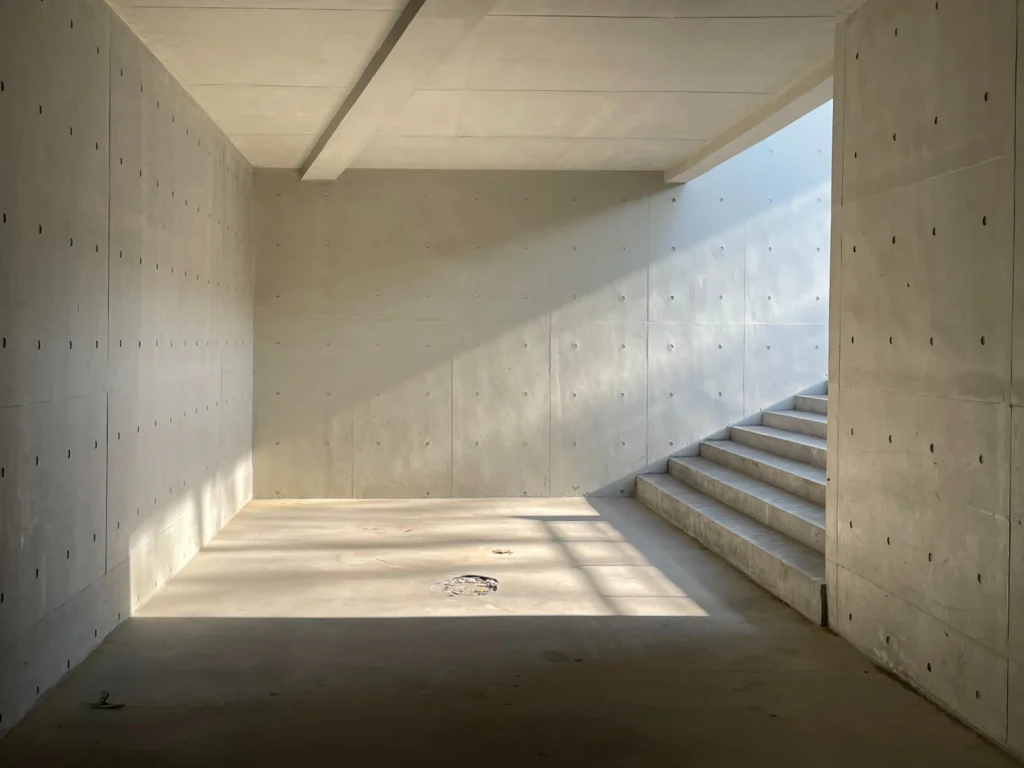
If you’re planning to finish the space, get the water problem solved before any framing goes up. Once walls are closed in, you can’t see a slow leak until it shows up as mould or a musty smell.
Do you need a permit to waterproof a basement in Toronto?
Usually not for the waterproofing itself. The City’s when do I need a building permit page lists “undertaking waterproofing repairs to a basement” among the work that doesn’t need one, and says a building permit is not required to install a sump pump.
The same page says you do need a permit to install a backwater valve, to install or modify plumbing, and to finish a basement when the work includes new plumbing, new foundations or underpinning. So a waterproofing job that grows into a bathroom, a lowered floor or a legal basement apartment needs a permit for those parts. Zoning still applies to anything you build, even when no permit is needed.
How the City’s flooding subsidy works
The City pays part of the cost of flood protection devices, not waterproofing membranes. Under the Basement Flooding Protection Subsidy Program, expanded on May 1, 2026, the City covers 80% of the invoiced cost of each eligible item, up to these limits, for work completed on or after November 12, 2025:
| Eligible work | Maximum subsidy |
|---|---|
| Home plumbing assessment by a licensed plumber | $500 |
| Backwater valve, including its alarm | $1,600 per device, up to two devices |
| Sump pump and alarm | $2,250, one device |
| Sump pump battery backup | $300 extra |
| Foundation drain (weeping tile) severance and capping | $400 |
| Total per property | Up to $6,650 |
A few conditions catch people out. You apply online after the work is done, within two years of installation, with paid-in-full itemized invoices. Your downspouts must be disconnected or exempted. The program is for registered owners of single-family homes up to fourplexes, and the contractor must hold a valid City of Toronto business licence of the right type for each item. The page notes that a building renovator licence covers only the sump pump and the severance work, while plumbing and drain licences cover all four types of work. Processing can take up to 10 weeks, and funding is first-come, first-served.
The eligible list doesn’t include exterior membranes, crack injection or new interior drainage. In practice, the subsidy helps most when a sump pump, backwater valve or weeping tile disconnection is part of a larger waterproofing job.
Fix the water outside first
Before you spend $20,000 on a membrane, check the cheap things. The City’s mandatory downspout disconnection page says every Toronto property owner must have downspouts disconnected from the sewer system, and that the water has to drain away from the foundation without harming a neighbour’s property or running onto a City sidewalk.
- Extend downspouts so they discharge well away from the wall.
- Clean eavestroughs. The City recommends at least twice a year.
- Regrade soil so it falls away from the house, aiming for at least 6 inches over the first 10 feet.
- Look at window wells, which are a common leak point in older homes.
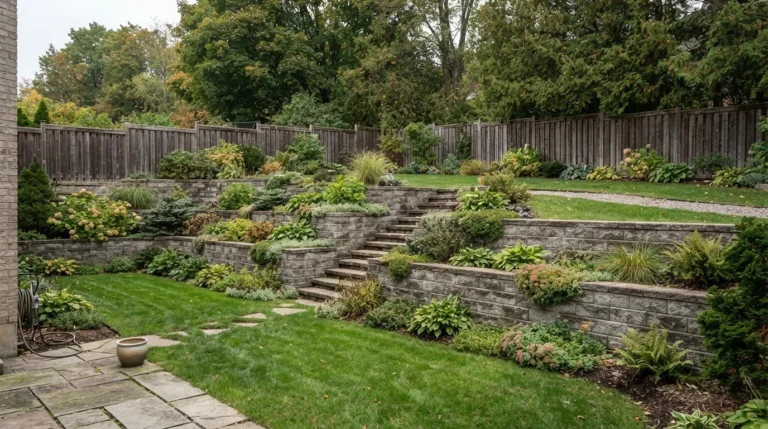
For an example of grading and drainage done on a tight Toronto lot, see our side yard regrading, retaining wall and fence project in Wychwood. Sometimes that kind of work dries out a basement on its own. Sometimes it’s the first half of the fix.
Planning to finish the basement afterward?
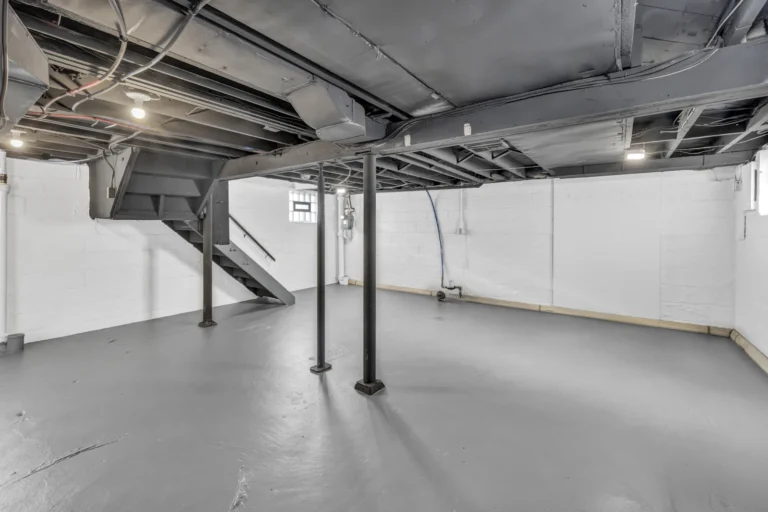
Waterproofing is the step that makes a basement renovation last. Once the walls are dry, how you insulate them matters just as much. On framed walls we install a single vapour barrier on the warm side, facing the room. The two mistakes we see most are fibreglass batts pressed against bare concrete, and plastic on both sides of the wall, which traps moisture inside the framing.
If you also want more headroom, plan it now. Lowering the floor through basement underpinning means excavating anyway, and new weeping tile and drainage are usually part of that work. Doing both at once avoids paying to dig twice.
Frequently asked questions
How much does basement waterproofing cost in Toronto?
HomeStars’ Toronto guide puts basement waterproofing at $80 to $300 per linear foot, and says most homeowners spend $8,000 to $20,000 for a full interior or exterior system. Crack injection runs $450 to $1,100 per crack, an interior drainage system $8,000 to $15,000, and full perimeter exterior waterproofing $15,000 to $35,000. HST is extra, and every job is quoted on site.
Is interior or exterior waterproofing better?
Exterior waterproofing stops water at the outside of the foundation, so it’s the more complete fix, but it costs more and needs digging. Interior systems collect water that gets through the wall and pump it out, which costs less and can be done in any season. The right choice depends on where the water is coming from and what you plan to do with the basement.
Do I need a permit to waterproof my basement in Toronto?
No permit is needed for waterproofing repairs to a basement or for installing a sump pump, according to the City of Toronto. A backwater valve, new plumbing, underpinning or finishing a basement with new plumbing does need a building permit.
Does the City of Toronto subsidy cover waterproofing?
It covers flood protection devices, not membranes or crack repair. The Basement Flooding Protection Subsidy Program pays 80% of eligible costs up to $6,650 per property, including up to $2,250 for a sump pump, $1,600 per backwater valve and $400 for weeping tile severance and capping.
Can basement waterproofing be done in winter?
Interior waterproofing can be done any time of year because the work happens inside. Exterior digging is harder once the ground freezes, so many homeowners fix urgent leaks from inside or plan exterior work for spring.
Get a basement waterproofing estimate
We’ll look at the outside of the house and the basement together, tell you where the water is coming from, and quote the fix that matches it. Estimates are free, and every job is quoted on site. Contact us to book a visit.
Keep reading