Table of Contents
Basement Apartments as a Smart GTA Investment
Turning a basement into a rental suite is one of the most common ways GTA homeowners are trying to make their homes work harder. With high housing costs and bigger mortgage payments, an extra source of steady income can feel very helpful.
A legal basement apartment can create long-term rental income, increase your property’s appeal, and give you more flexibility for family or future buyers. At the same time, it is not a small project. There are rules to follow, construction realities to face, and lifestyle changes to think through.
In this article, we are going to walk through what really matters with basement apartment renovations in the GTA: the work involved, rental potential, legal requirements, and how to decide if it makes sense for your specific home and lifestyle.
Counting the Real Costs of a Basement Rental Suite
Before you picture rent coming in every month, you need a clear sense of what goes into a proper basement suite. A finished-looking space is not the same as a safe, legal, comfortable apartment.
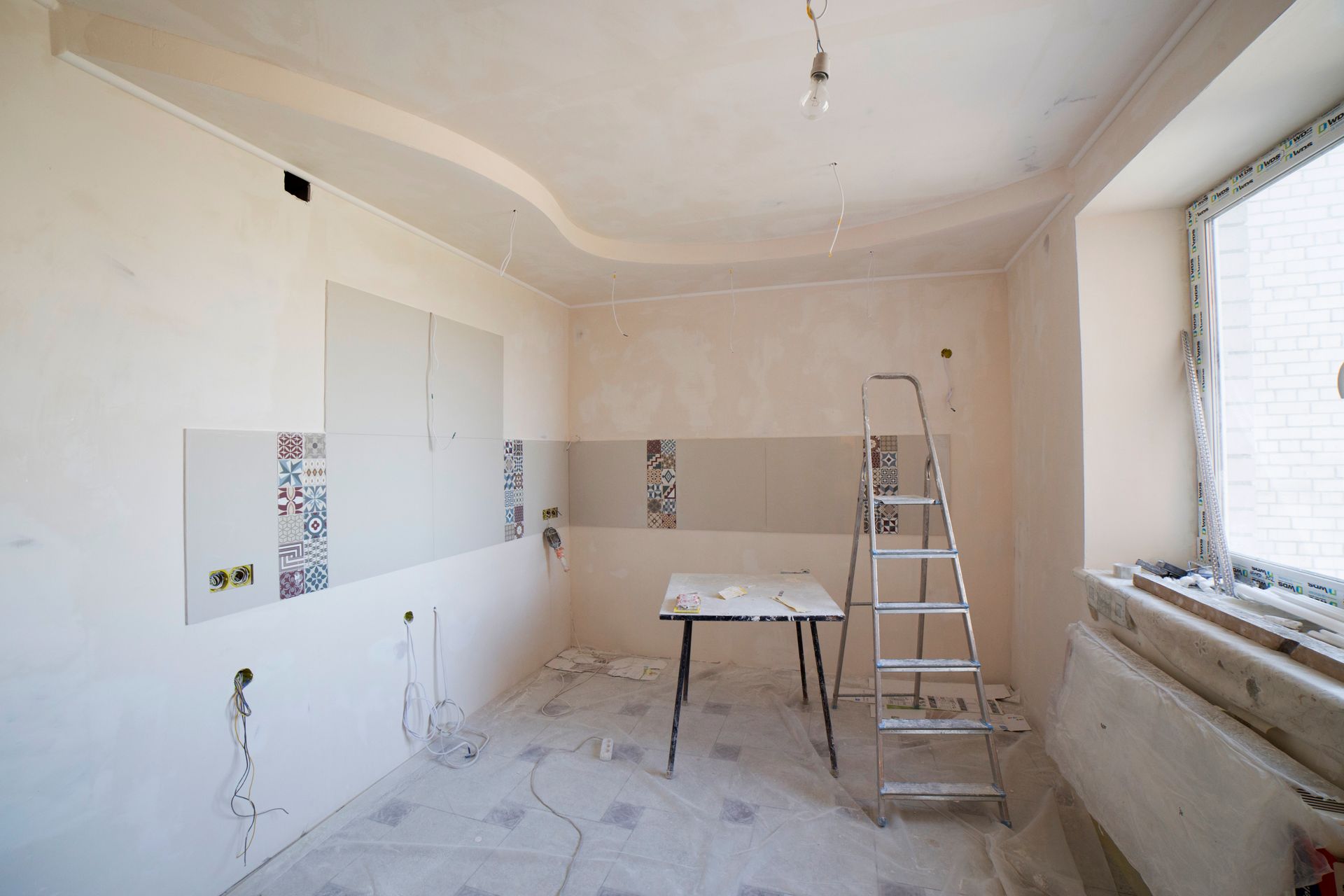
A full basement conversion in the GTA usually involves work like:
- Permits and drawings
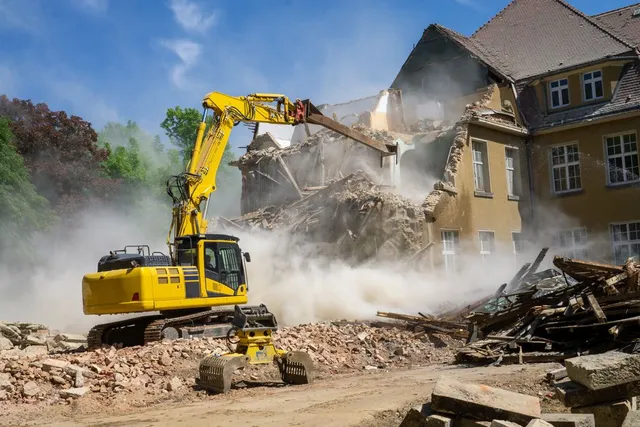
- Demolition and structural changes
- Waterproofing and moisture control
- Insulation and soundproofing
- New or larger egress windows
- HVAC changes and fresh air systems
- Plumbing and electrical upgrades
- Separate entrance and stairwell
- Kitchen, bathroom, flooring, and finishes
Older GTA homes, especially in Toronto’s core neighbourhoods, often add extra layers of work. You may be dealing with lower ceiling heights, aging foundations, old wiring, or tight lot lines that make new entrances and window wells trickier. Some basements need underpinning to meet height requirements, which adds time and complexity.
Season and timing also play a role. Many homeowners like starting around early summer because:
- Exterior work like entrances and window wells is easier in warm, dry weather
- You can spot and fix water issues after spring thaw, before next winter
- A summer build can help you target the busy fall rental period
The main takeaway is simple: a legal, comfortable basement apartment is a full renovation, not just some paint and flooring.
Rental Income Potential Across the GTA
Rental prices across the GTA vary a lot by location, size, and finish quality. A bright, well-finished one-bedroom basement near transit in Toronto will usually rent for more than a darker space in an outer suburb with fewer amenities nearby.
Features that tend to support higher rents include:
- Good ceiling height and a sense of openness
- Larger windows and natural light
- Strong soundproofing between units
- Private laundry within the suite
- Separate climate control or at least a good temperature balance
- Modern kitchen and bathroom finishes
- Walking distance or quick transit access to key areas
To think about payback, many homeowners start with a simple estimate. They look at:
- What similar basement suites are renting for in their part of the GTA
- Their expected renovation investment
- How many months per year they expect it to be occupied
- A small buffer for vacancy or tenant turnover
From there, they divide the renovation amount by the expected yearly net rent to roughly see how many years it might take to break even. After that, the focus shifts to long-term profit and added resale value. This is not a quick flip. It is usually a long-term investment that can support your mortgage and give you more financial breathing room over time.
Legal, Safety, and by-Law Rules You Cannot Ignore
If you want a real secondary suite, not just an informal rental, the rules are very important. Legal suites must follow the Ontario Building Code and local municipal by-laws.
Key code and safety items usually include:
- Minimum finished ceiling height
- Proper egress window or door for emergency escape
- Fire-rated separation between units
- Hardwired smoke and carbon monoxide detectors
- Safe, clear exits
- Adequate ventilation and fresh air
Each city across the GTA, such as Toronto, Mississauga, Brampton, Vaughan, and others, also has its own zoning and parking rules. Some areas limit where secondary suites can go, how many you can have, or what kind of parking must be provided. There can also be registration or inspection programs for secondary suites.
Trying to rent “under the radar” can lead to serious problems. These can include:
- Issues with home insurance coverage if something goes wrong
- Fines or orders to close the unit or remove work
- Safety risks for tenants and your own family
- Trouble when selling the property later
Working with a general contractor who is used to permits and inspections in the GTA helps keep the project on the right track and reduces stress during the process.
Renovation Quality, Resale Value, and Daily Life Upstairs
A well-planned basement apartment is not just about rent. It can also make your property more attractive when it is time to sell. Many buyers like seeing a finished, legal secondary suite because it offers options: rental income, space for extended family, or a future home office.
Build quality also affects how life feels upstairs. Shared living can be comfortable when you plan for:
- Strong soundproofing between floors and walls
- Solid interior doors with good seals
- Thoughtful placement of bedrooms and living areas to avoid noise conflicts
- Clear separation of entrances when possible
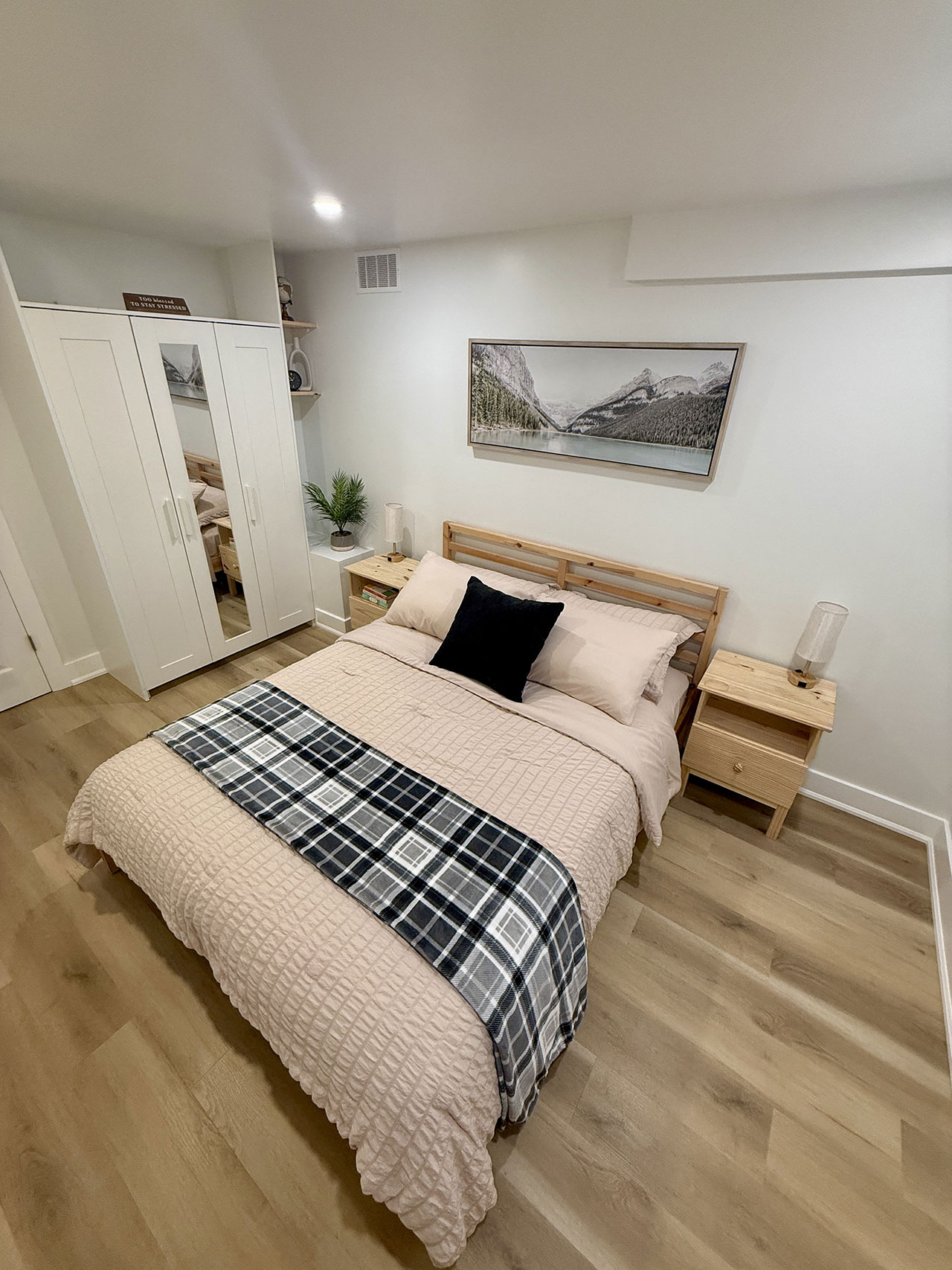
Design choices matter too. For rental spaces, most homeowners prefer:
- Easy-to-clean flooring like quality vinyl or tile
- Moisture-resistant materials in bathrooms and kitchens
- Simple, durable cabinets and fixtures
- Neutral, modern colours that appeal to many renters
- Smart storage so the unit feels less cramped
Getting these details right helps your tenant feel at home and helps you feel peaceful upstairs.
Is a Basement Apartment Right for Your Home and Lifestyle?
Not every basement is a good candidate for a rental suite, and not every homeowner wants to become a landlord. Before you move forward, it helps to look at four big areas.
1. Property suitability
Ask yourself:
- Is the current or potential ceiling height close to what is required?
- Are there ongoing moisture or water issues that need serious work?
- Is there a logical place for a separate entrance and safe stairwell?
- Does the layout allow for a proper bedroom, bathroom, and living space?
2. Budget comfort
Even without exact numbers, be honest about:
- How much renovation you feel comfortable investing
- Whether you have room for surprises that older GTA homes can bring
- Your willingness to phase work if needed
3. Landlord mindset
Having a tenant below you is a long-term commitment. Think about:
- Your comfort sharing part of your home with another household
- How you feel about tenant screening, leases, and ongoing communication
- Your ability to respond when small issues come up
4. Long-term plans
Basement apartment renovations in the GTA usually make the most sense when:
- You plan to stay in the home for several years
- You like the area and see yourself there for the long term
- You value both rental income now and added resale value later
Many GTA homeowners find that, once they look at these points, the answer becomes clearer. At Jacko Contracting, we work with homeowners across Toronto and the surrounding area to assess basements, explain code and by-law requirements, and plan realistic renovation paths that fit their goals and timelines.
Transform Your Basement Into Income-Generating Living Space
If you are ready to turn unused square footage into a safe, comfortable, and code-compliant suite, our team at Jacko Contracting can help. Explore how our basement apartment renovations in the GTA can improve your property’s value and long-term rental potential. We will walk you through design, permits, and construction so you always know what comes next. Reach out to contact us and get a detailed, straightforward plan for your basement apartment project.