Renovations That Make GTA Tenants Say “Yes”
Income property renovations in the GTA are not just about fresh paint. They are about getting your unit rented quickly, to the right tenant, at a strong market rate. With so many listings going live around July and August, renters can be picky. They compare finishes, layouts, photos, and how “move-in ready” a place feels from the moment they walk in.
When you treat upgrades as a long-term investment, not a quick patch, everything changes. The right changes can lower vacancies, attract more stable tenants, and cut down on headaches between leases. As a Toronto-based general contractor, we work across the GTA and see what tenants respond to in different neighbourhoods, from downtown multiplexes to suburban basement suites.
In this article, we will walk through the income property renovations in the GTA that actually move the needle: visible upgrades renters notice, legal secondary suites, smarter layouts, outdoor improvements, and smart timing so you hit the busy rental season with finished units, not half-done projects.
High ROI Upgrades GTA Renters Actually Notice
Most renters decide in minutes if they want a place. They look at what they use every single day, not what is behind the walls. That is why certain upgrades almost always pay off:
- Modern, well-planned kitchens
- Updated, clean bathrooms
- Durable, good-looking flooring
- In-suite laundry, where possible
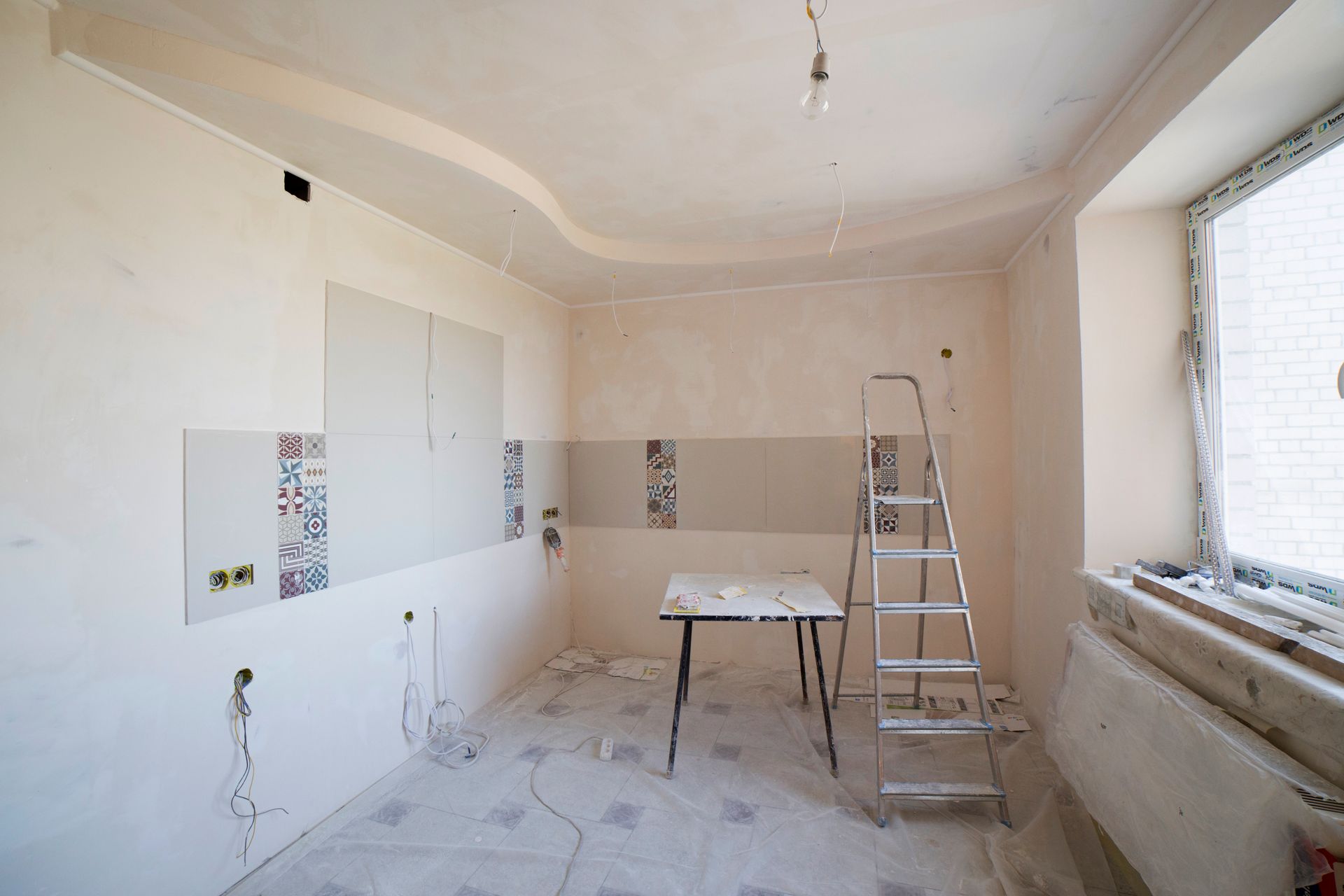
A kitchen does not have to be fancy to work. Simple, neutral cabinets, quality hardware, and a clean backsplash can make a small space feel fresh. In bathrooms, tenants tend to care about bright lighting, solid tile in wet areas, and fixtures that feel sturdy, not flimsy.
Lighting and colour choices matter more than many owners expect. Neutral paint, bright LED lighting, and consistent finishes help your photos stand out online. Listings look cleaner, bigger, and more “ready to live in.” That is what lets you justify stronger rents without adding luxury features that do not match the area.
Durability is just as important as looks. For most income property renovations in the GTA, we often recommend:
- Luxury vinyl plank instead of carpet in living areas
- Tile or other water-resistant surfaces in bathrooms and entries
- Quality faucets and shower fixtures that can handle daily use
When you choose materials that hold up to wear and tear, you cut down on service calls, damage between tenancies, and surprise repairs. Over time, these choices can mean fewer days off the market and tenants who are happy to stay longer because the unit still feels clean and solid.
Legal Secondary Suites That Actually Cash Flow
A secondary suite only really works when it is legal and safe. Across many GTA municipalities, this usually means meeting standards for:
- Fire separation between units
- Proper egress windows in bedrooms
- Sufficient ceiling heights
- Updated electrical and HVAC
Doing the work to meet local rules is not just about passing an inspection. A legal or registered suite can help with insurance, reduce the risk of fines, and make it easier when you want to refinance or sell to another investor who cares about compliance.
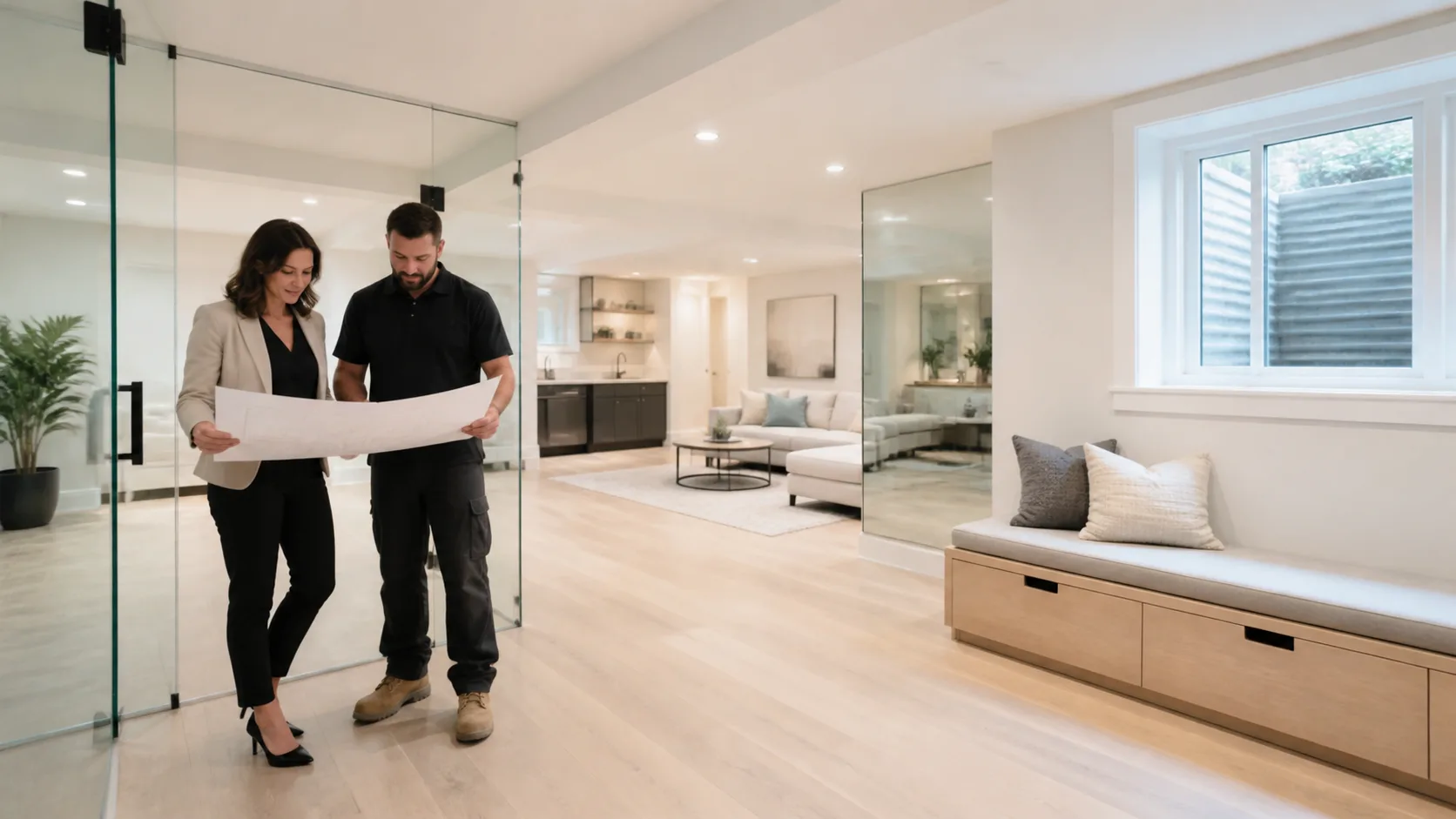
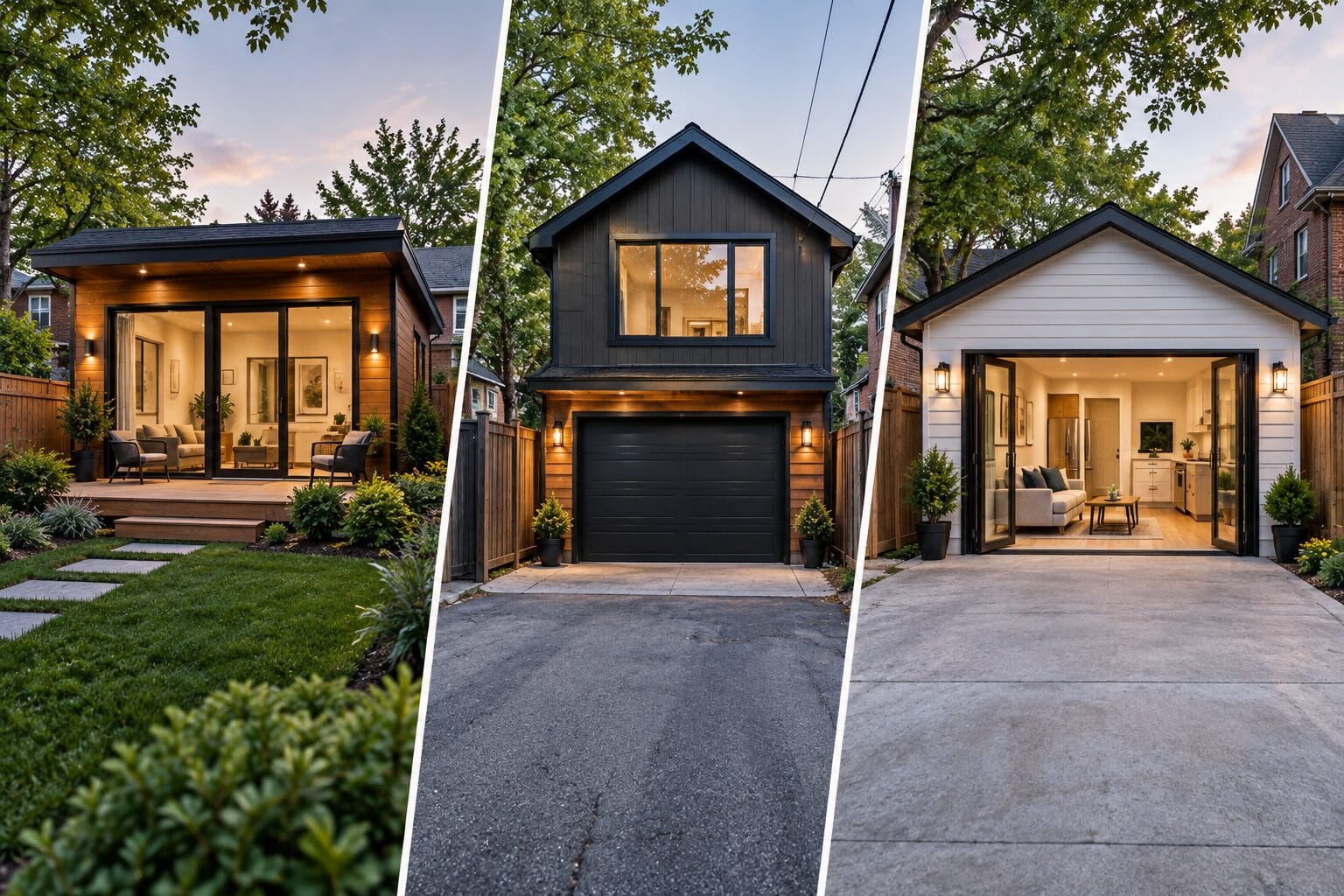
As a contractor focused on income property renovations in the GTA, we help owners work with local bylaws and permit processes so basement units, garden suites, or additions are set up correctly. That includes planning for safe exits, ventilation, and enough natural light so tenants are comfortable.
Layout makes a big difference in how a secondary suite rents. Tenants usually respond well to:
- A private, well-lit entrance
- Good sound insulation between units
- Smart storage, even in small spaces
- A real kitchen with proper appliances, not just a hot plate
When a suite feels like a complete home instead of an afterthought, you tend to see better applications and fewer complaints.
Space Planning That Boosts Rent and Reduces Turnover
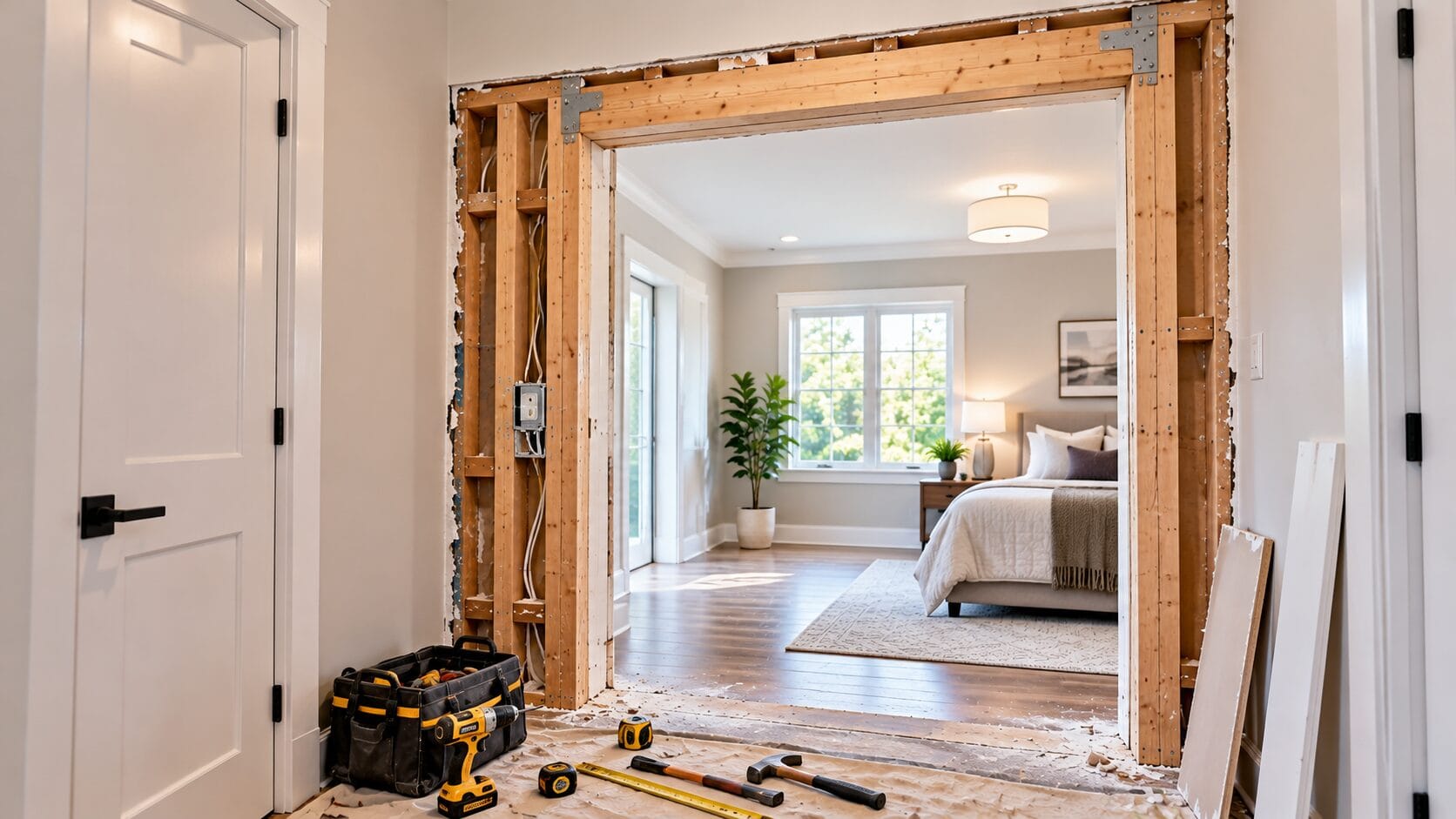
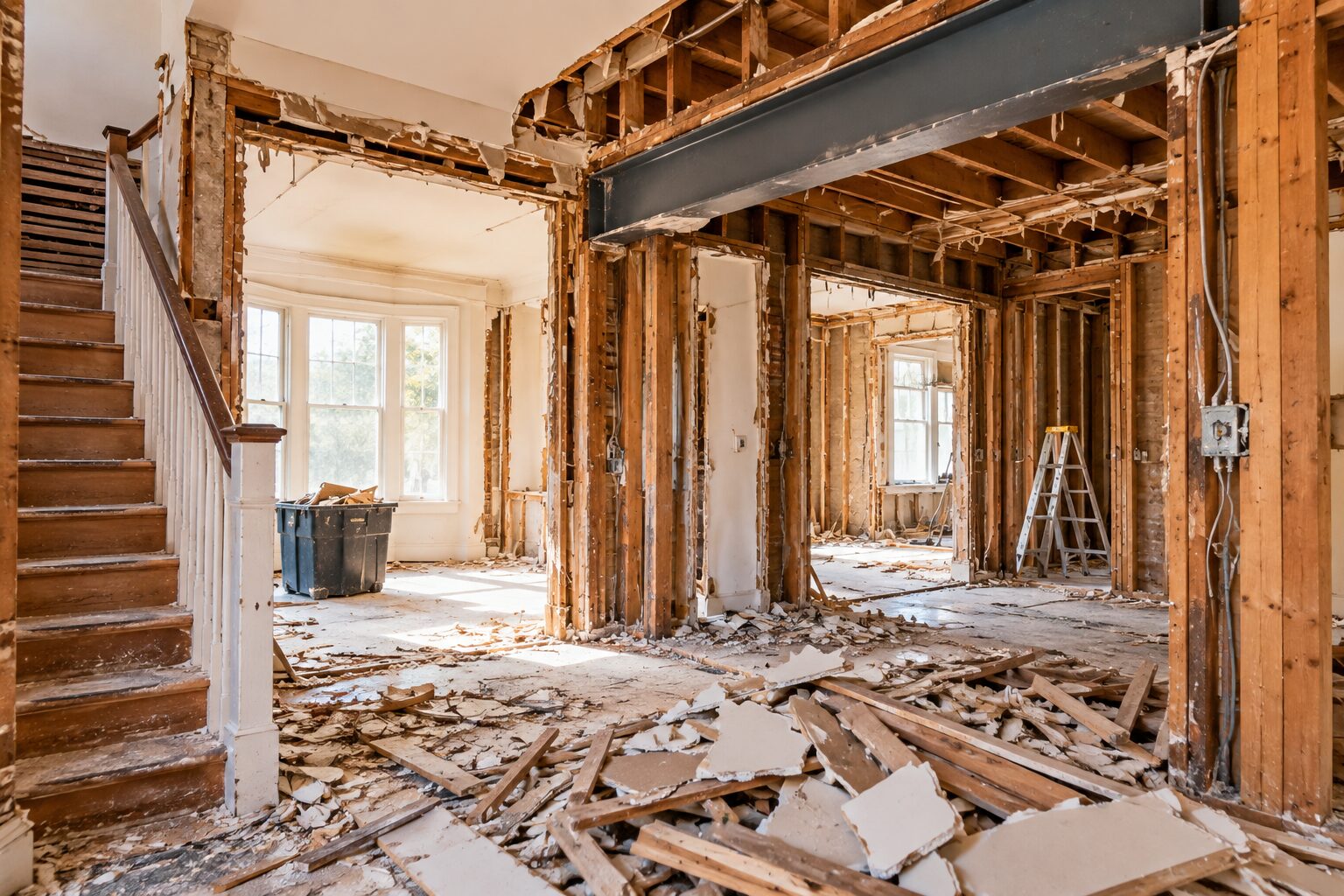
Sometimes the biggest gains come from changing how space is used, not just how it looks. Small layout tweaks can have a big impact on rent and livability. For example, removing a non-structural wall can open up a dark, choppy main floor and make it feel bigger. In other cases, adding a second bathroom or an extra bedroom can change who your ideal tenant is and what they are willing to pay.
Older Toronto homes and narrow lots come with quirks: tight hallways, low basements, and odd corners that feel wasted. Thoughtful design can turn those “dead zones” into real value, like a small office nook, pantry, or proper closet. In basements, careful planning around bulkheads, posts, and mechanicals can keep ceiling heights comfortable and layouts practical.
Different tenant groups want different things, so flexible layouts are key. Many renters now work from home, even part time. They often want:
- A quiet spot for a desk
- Clear separation between bedrooms and living areas
- Enough storage so things are not stacked in corners
Good space planning also supports day-to-day comfort. More natural light, logical furniture placement, and a clear divide between public and private areas can reduce noise issues and make people feel more settled, which helps keep turnover lower.
Exterior and Outdoor Upgrades That Rent the Unit Faster
First impressions start at the curb, and in the GTA summer rental rush, that first look can decide who books a showing. Simple exterior updates that have a big impact include:
- A clean, solid front door with updated hardware
- Tidied landscaping and trimmed bushes
- Repaired steps, railings, and walkways
- Fresh paint or stain where surfaces look tired
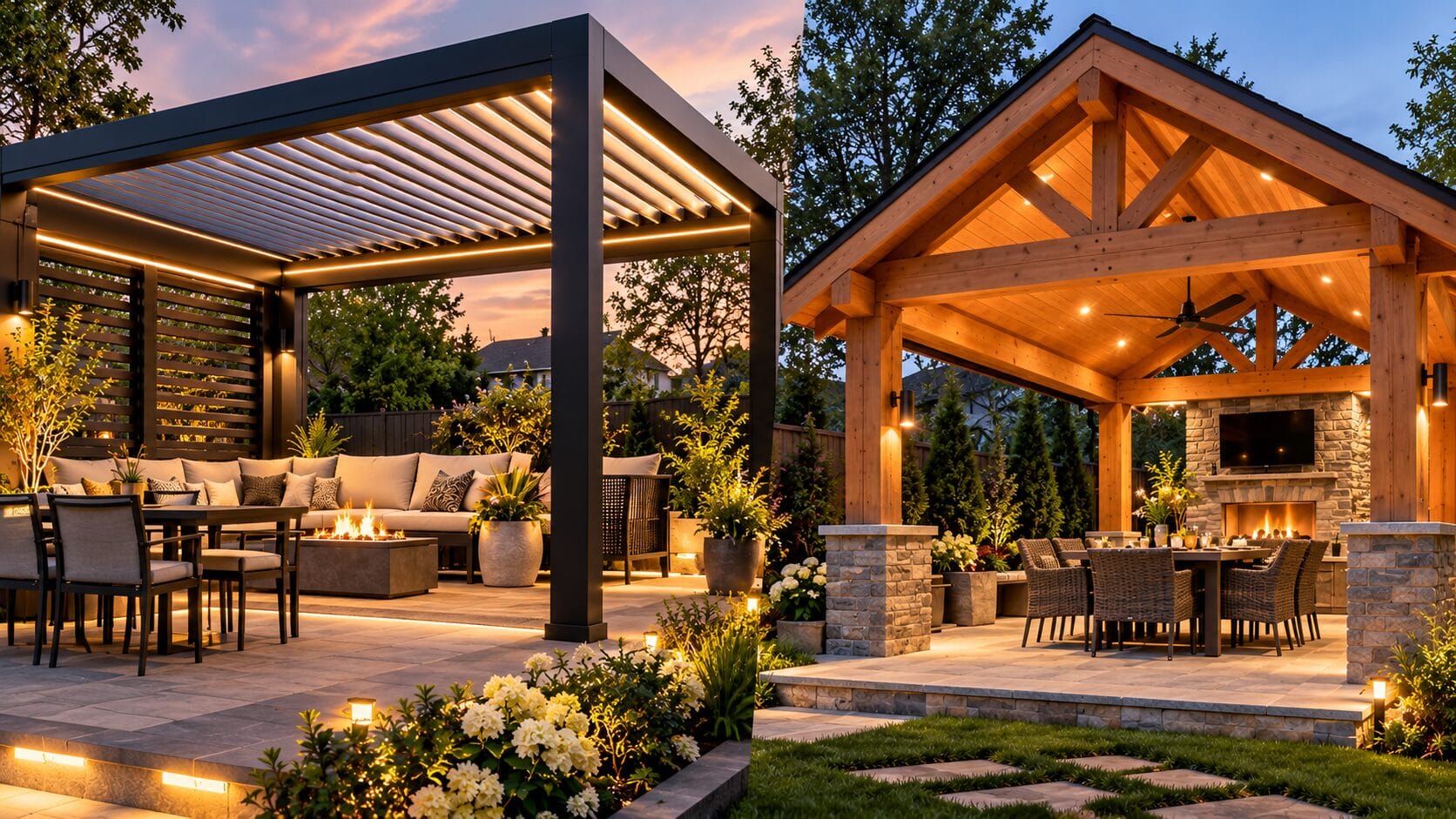
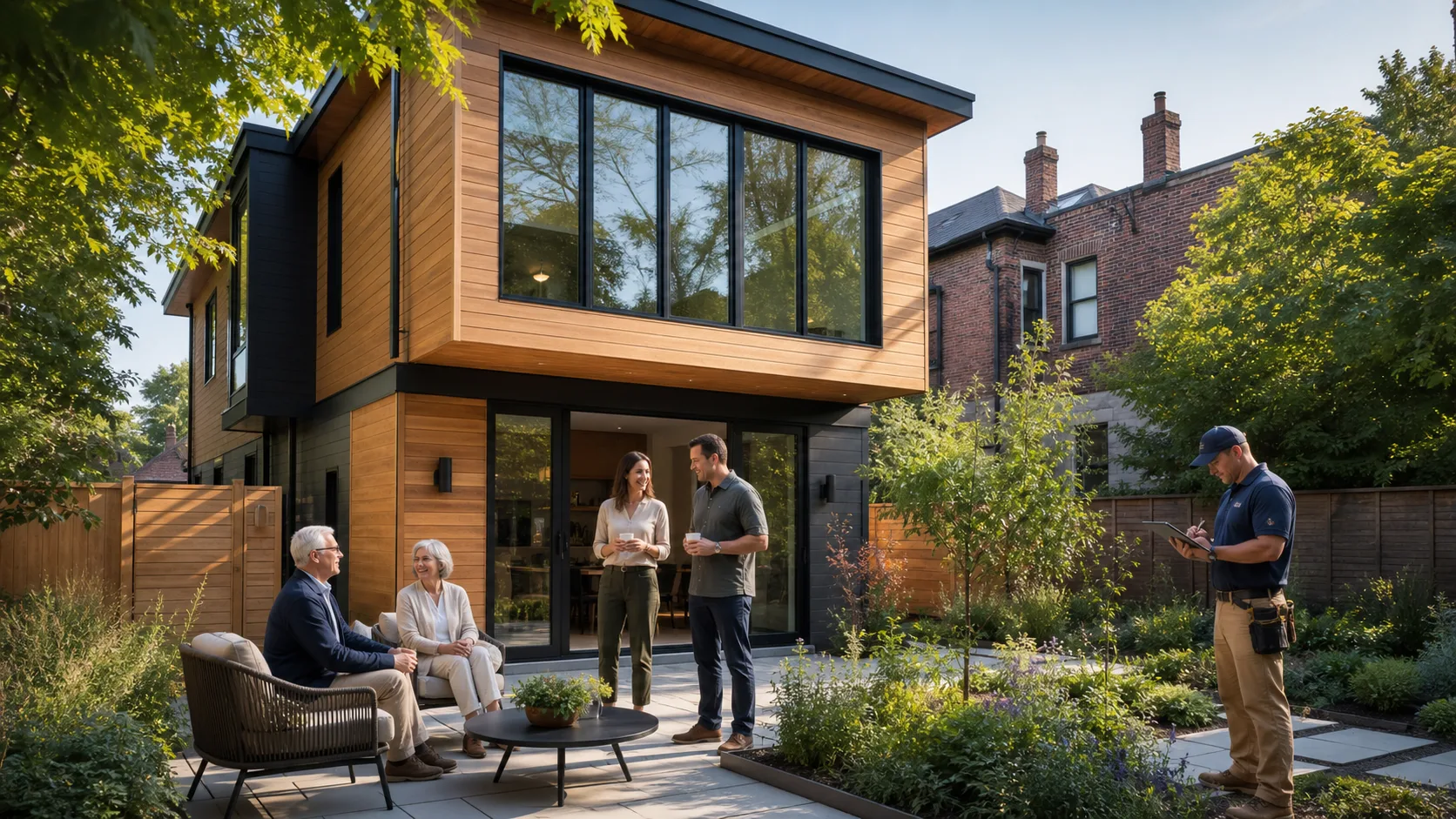
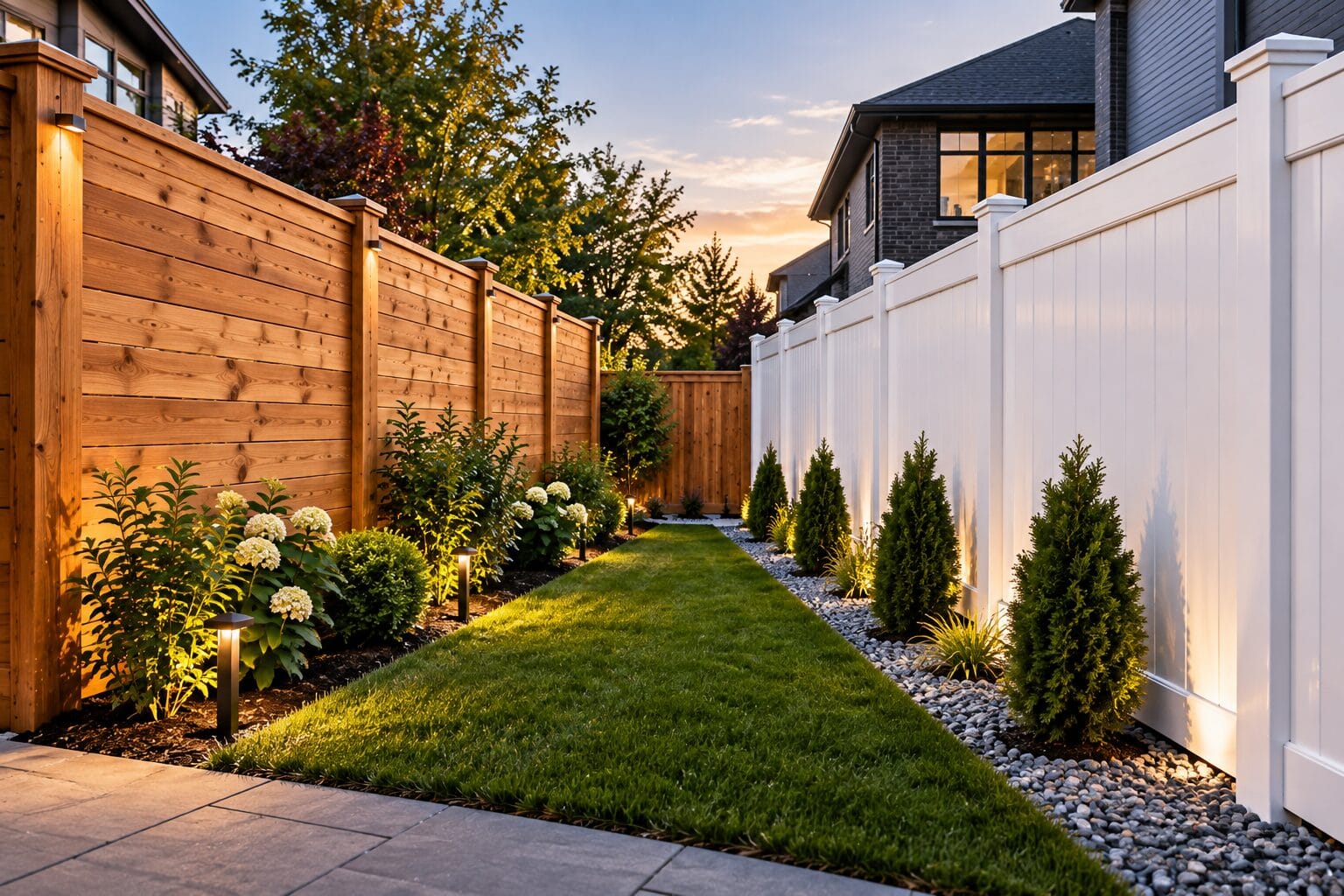
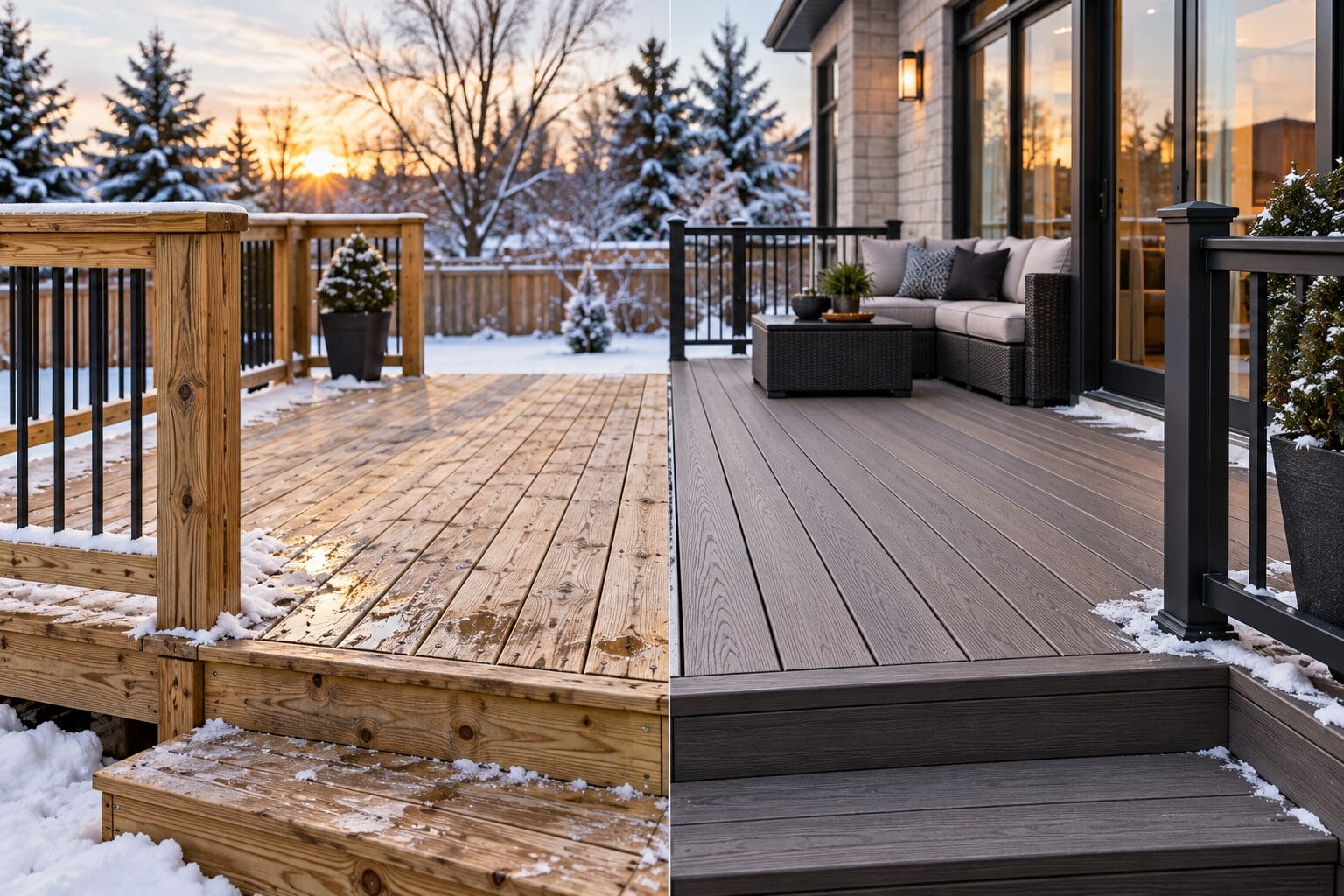
Outdoor space is a big plus for many renters. Even a small deck, patio, or shared backyard area can stand out, especially in neighbourhoods where private outdoor space is rare. Tenants also pay attention to practical details like safe, marked parking or secure bike storage.
Security and comfort should never be an afterthought. Good exterior lighting, visible but tasteful unit numbers, and solid locks help people feel safe coming home at night. These changes also look great in listing photos and street views, which often decide whether someone arranges a viewing or skips to the next property.
Smart Seasonal Timing for GTA Income Property Projects
Timing your income property renovations in the GTA can be just as important as what you actually do. Many landlords aim to have work wrapped up before the busy summer rental season, when more tenants are searching and moving.
Interior renovations can happen all year, but planning them so units are ready ahead of prime leasing months can keep your vacancy periods shorter. Exterior work like decks, landscaping, and siding usually fits best from late spring through early fall when the weather is more cooperative.
It is important to plan for:
- Permit approvals
- Inspections at different stages
- Material lead times
- A buffer for surprises behind old walls
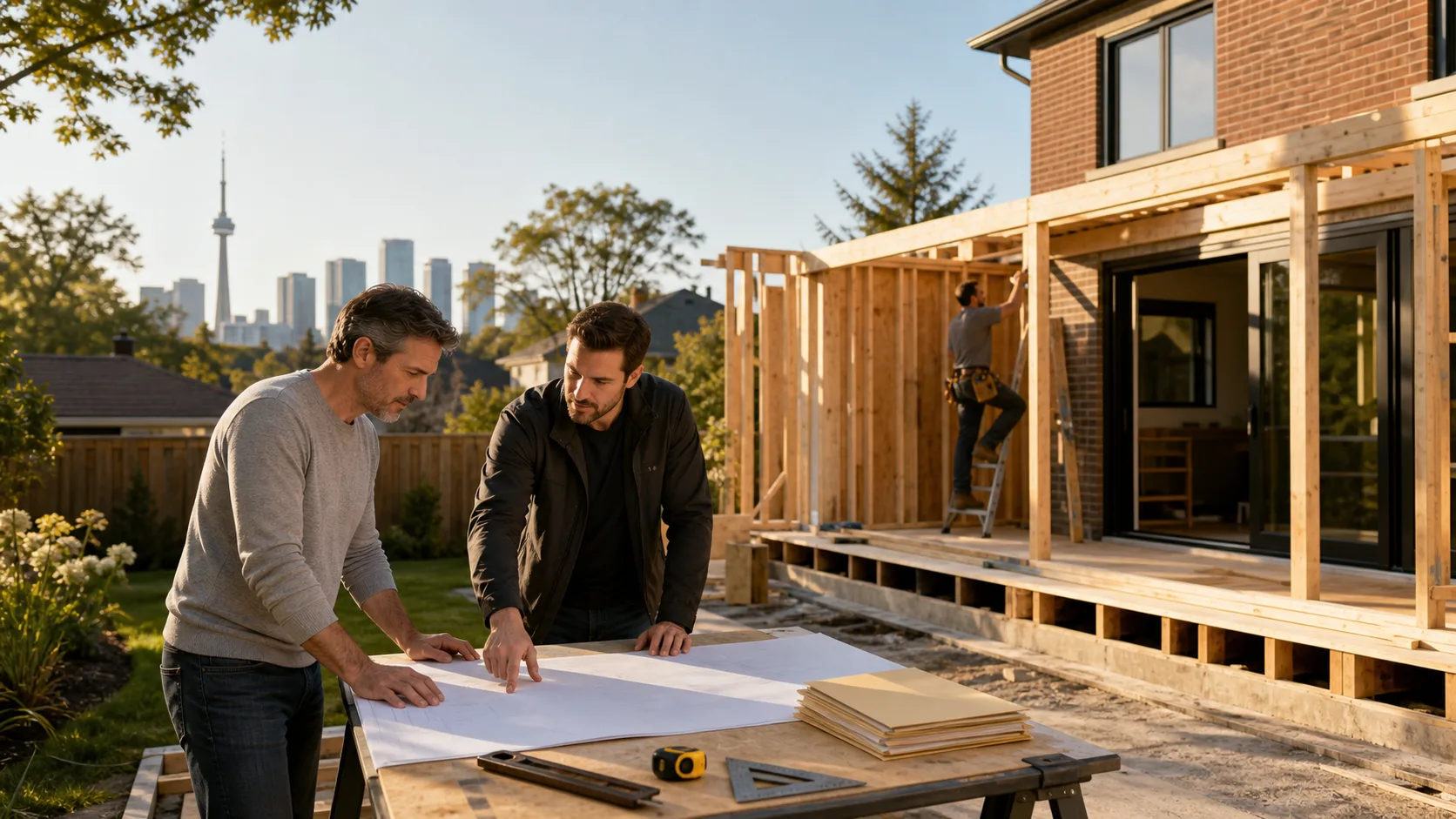
We help owners map out realistic renovation schedules that line up with lease expiries and turnover dates, so units are not sitting empty mid-renovation. With good planning, you can finish, photograph, and list your units at the right moment, giving you a better shot at strong tenants and a smoother rental cycle.
Maximize Your Rental ROI With Expert Renovations Today
If you are ready to attract better tenants and boost long-term returns, our team at Jacko Contracting is here to help you plan and execute high-impact upgrades. Start by exploring our tailored services for income property renovations in the GTA to see what is possible for your building. When you are ready to talk specifics, contact us and we will walk you through next steps and timelines.