
In Ontario, any home renovation contract worth more than $50 must be in writing, and it should spell out the full scope, the total price, the payment and deposit schedule, start and finish dates, warranties, cleanup and every subcontracted trade. If a written estimate is part of the contract, the final price can’t exceed it by more than 10% unless you agree to new work or a new price. The province suggests a deposit of no more than 10%, and if you sign at home you get a 10-day cooling-off period. For any permit work, the contract should say who gets the permit, and nothing should start until you’ve seen it.
That’s the legal floor. A good contract goes further, because most renovation fights start with something nobody wrote down. Here is the checklist we’d want any Toronto homeowner to run through before signing, with us or anyone else.
What Ontario requires in a renovation contract
Ontario’s home renovation guidance, updated in August 2026, lists what your written contract should include:
- The contractor’s name, address and contact information.
- A thorough description of the project.
- A clear description of the warranties.
- The total cost and the payment terms.
- A work schedule with start and completion dates.
- A payment schedule, including the deposit amount.
- Who is responsible for cleanup.
- All subcontracted trades, and who pays them.
The province also suggests getting at least three written estimates and making sure the estimate you accept is written into the contract. That last part matters, because it’s what brings the 10% rule into play.
How the 10% estimate rule works
If an estimate is part of your contract, the final price for the goods and services can’t be more than 10% above it, unless you agreed to new work or a new price. Changes should be documented in a signed change to the contract.
In practice, that means two things. First, a vague estimate protects nobody. “Kitchen renovation, approx.” gives the 10% rule nothing to measure against. Second, every change needs paper. If you ask for pot lights halfway through, or the drywall comes off and the knob-and-tube wiring has to go, that should be a written change order with a price before the work is done, not a surprise on the final invoice.
Deposits and payment schedules
Ontario’s guidance is to keep deposits to a minimum, with no more than 10% suggested, never pay the full amount before the work is done, and avoid cash deals. If you do pay cash, get a detailed, signed receipt. The RenoMark deposit guide puts a normal deposit at 10 to 15% and says larger jobs usually tie the remaining payments to construction milestones.
We like milestone payments because they keep everyone honest. You pay when framing is inspected, when rough-ins pass, when drywall is up, and so on. The contractor is never far ahead of the money, and you’re never far ahead of the work. One fair exception: custom items like cabinets or special-order windows are often paid for when they’re ordered, because the supplier needs the money up front.
The 10-day cooling-off period
If you sign a renovation or repair contract worth $50 or more in your own home, Ontario gives you a 10-day cooling-off period. You can cancel for any reason, with no cancellation fee. If work started during those 10 days, you can still cancel, but you may owe reasonable compensation for the work and materials already provided.
The province also warns about the classic scams: door-to-door pressure to sign today for a “special price”, a large deposit “for materials” followed by no work, and the paper-free cash deal with no estimate, contract or permit. If someone won’t put it in writing, walk away.
Permits, insurance and trade licences
The City of Toronto is blunt about permits: the building owner is ultimately responsible for complying with building requirements, and skipping a permit can lead to delays, legal action or having finished work removed. Ontario’s guidance says that if your contractor is getting the permits, that should be in the contract, and work shouldn’t start until you’ve seen them. Our permit handling service covers the application, the drawings and the inspections.
A few more checks from the province that belong on your list:
- WSIB: people working in construction generally need workplace safety and insurance coverage. Ask for a WSIB clearance certificate.
- Designers: before hiring someone to prepare your design plans, confirm they’re registered on Ontario’s QuARTS public registry.
- Electricians: an electrical contractor needs an ESA licence. The licence number and the ESA permit fees should be in the written estimate.
- Trades: ask whether tradespeople hold certification from Skilled Trades Ontario.
Liability insurance isn’t on the province’s list, but we’d add it. Ask for the certificate, not a verbal yes.
What it costs: deposits, payments and fees
We looked for a trustworthy published figure for what general contractors charge in Toronto and didn’t find one, so we won’t make one up. What you can pin down are the rules and fees around the price.
| Item | Typical figure | Source |
|---|---|---|
| Deposit | No more than 10% suggested | Ontario consumer guidance |
| Deposit | 10 to 15% described as normal | RenoMark |
| Final price vs written estimate in the contract | No more than 10% over, unless you agree to new work or a new price | Ontario consumer guidance |
| Building permit, minimum fee | $214.79 | City of Toronto 2026 fees |
| Building permit, finishing a basement | $6.20 per square metre | City of Toronto 2026 fees |
| General contractor overhead and profit | Built into the quoted price; no reliable published Toronto figure | Quoted per project |
What drives a renovation price up or down:
- How finished the design is: a full set of drawings and selections gives you a firm price. A sketch gives you allowances.
- Allowances: if the contract sets a dollar allowance for tile or fixtures, your final price moves with what you pick.
- Older-house surprises: knob-and-tube wiring, galvanized pipes, rot and out-of-level floors in a 1920s Toronto house only show up once walls open.
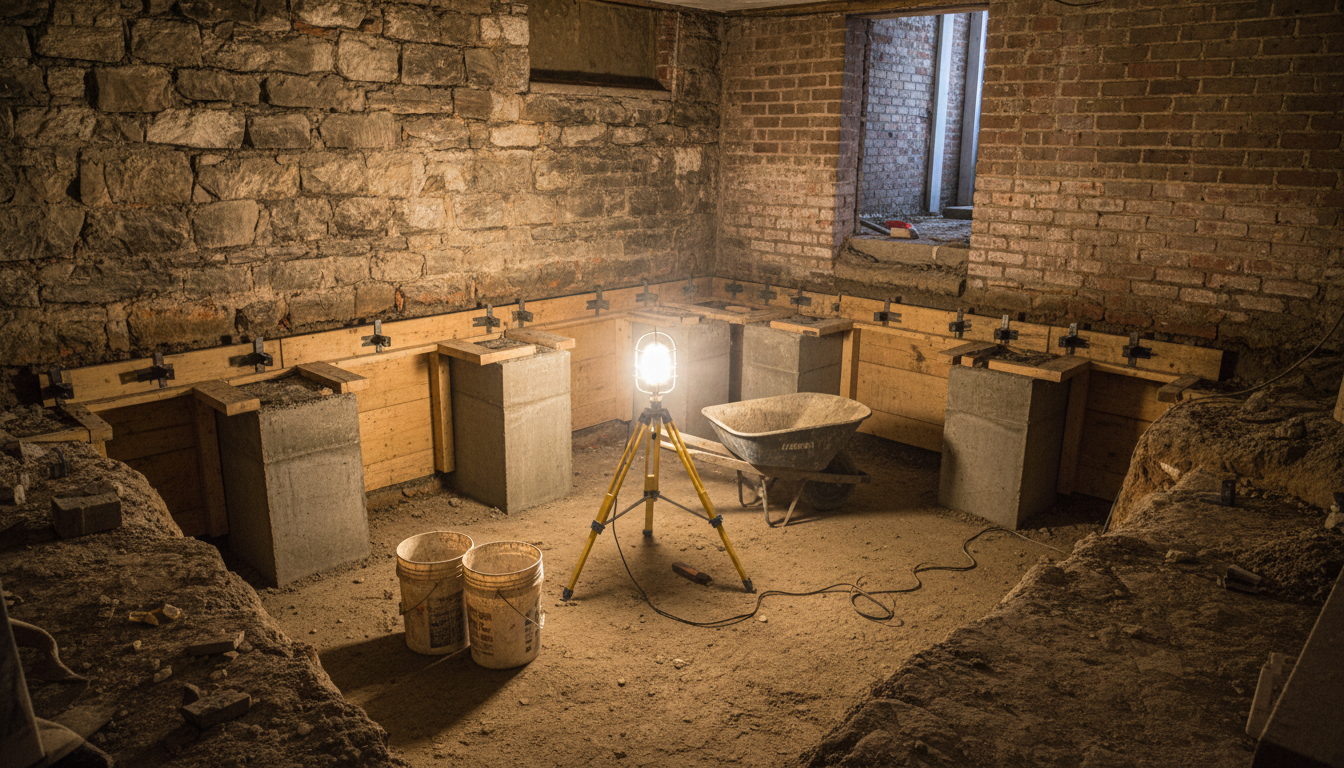
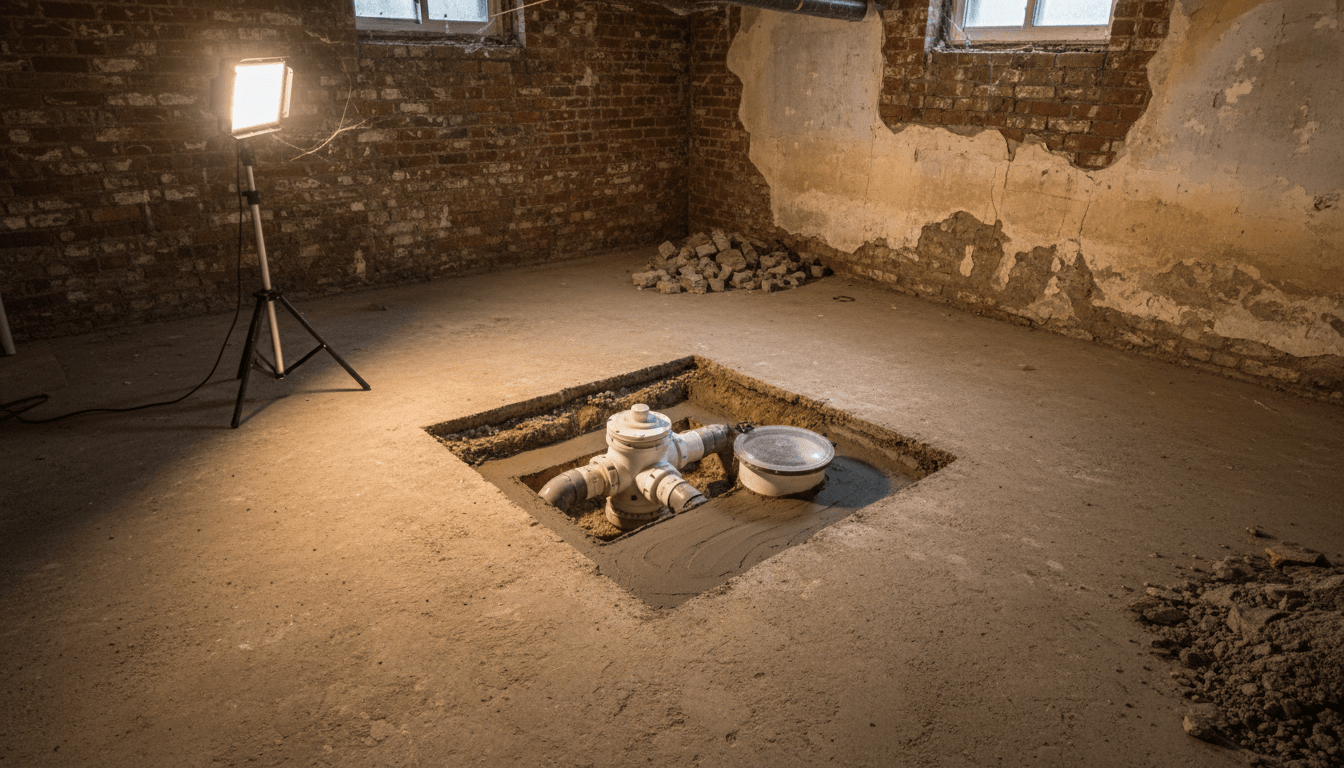
- Permits and engineering: structural changes, underpinning and new units add drawings, engineer reviews and inspection time.
- Access and logistics: a narrow semi with no driveway means more labour for every load in and out.
If you want a firm number, finish the design first. Our 3D design service lets you see the layout before anyone prices it.
Our checklist before you sign
- The scope is written room by room, with materials and brands where they matter.
- The estimate is in the contract, so the 10% rule applies.
- Allowances are listed separately, with amounts.
- The payment schedule follows milestones, with a deposit you’re comfortable with.
- Start and finish dates are written down, and so is what happens if they slip.
- The contract says who gets the permits, and you’ll see them before work starts.
- Change orders are in writing, with a price, before the work is done.
- Warranties are spelled out: what’s covered, for how long, and who to call.
- Subcontractors are named, along with who pays them.
- Cleanup and disposal are included.
- You have WSIB clearance and an insurance certificate in hand.
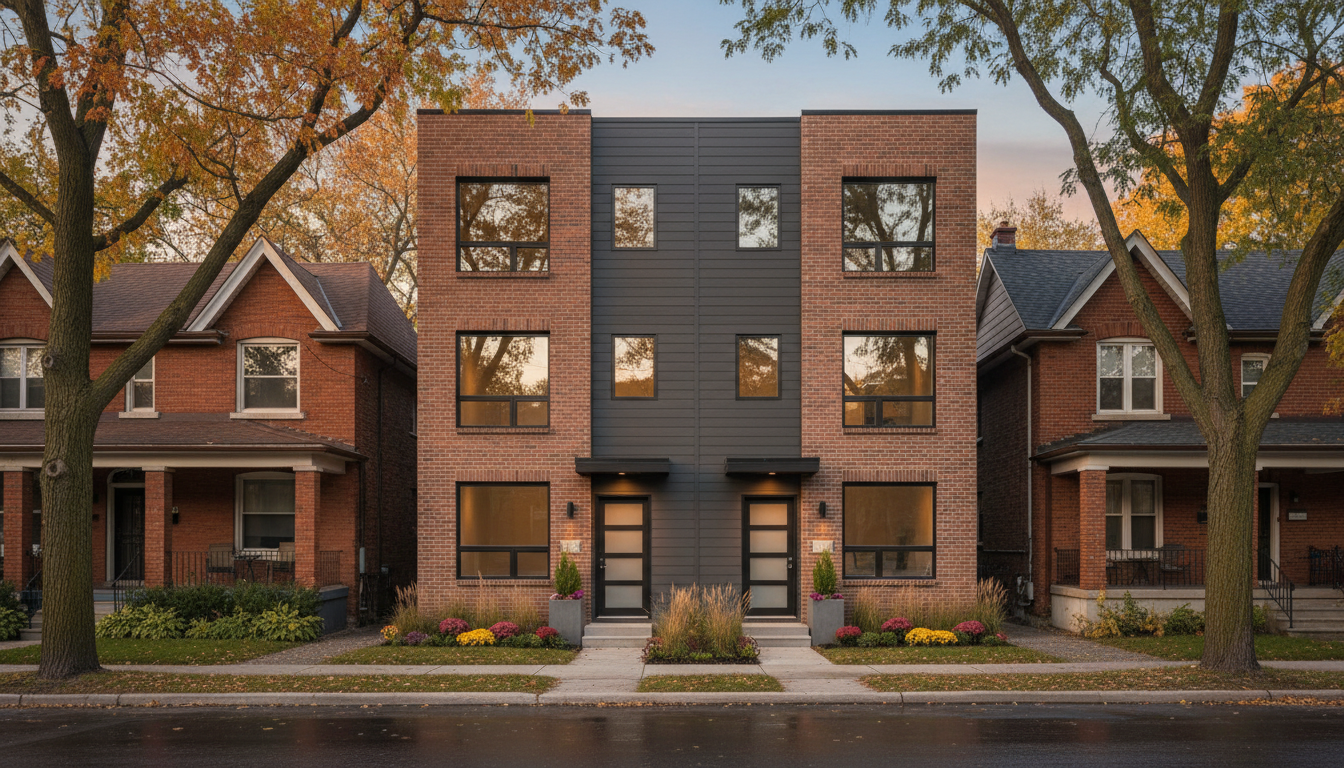
Whether it’s a kitchen, a basement or a whole-house job through our renovations team, or an addition or new build through our construction team, this is the checklist to hold any contract to, including ours.
Frequently asked questions
How much does a general contractor cost in Toronto?
There is no reliable published Toronto figure for general contractor fees, so we won’t quote one. The contractor’s overhead and profit are built into the total price in your contract. What Ontario does set out: the final price can’t exceed a written estimate in your contract by more than 10% unless you agree to new work or a new price, and the province suggests a deposit of no more than 10%. HST is extra, and every job is quoted on site.
Does a renovation contract have to be in writing in Ontario?
Yes. Ontario’s consumer guidance says a home renovation contract worth more than $50 must be in writing. It should include the contractor’s contact details, a full description of the work, the total cost, the payment and deposit schedule, start and finish dates, warranties, cleanup and any subcontracted trades.
How much deposit should I pay a contractor in Ontario?
Ontario’s consumer guidance recommends keeping the deposit to no more than 10% and never paying the full amount before the work is done. RenoMark’s deposit guide says 10 to 15% is normal, with custom-ordered items sometimes paid for when they’re ordered.
Can I cancel a renovation contract in Ontario?
If you signed a contract worth $50 or more in your home, you have a 10-day cooling-off period to cancel for any reason, without a cancellation fee. If work has already started, you may have to pay reasonable compensation for the work and materials provided.
Who is responsible for the building permit, me or the contractor?
The City of Toronto says the building owner is ultimately responsible for complying with building requirements. A contractor can apply for you, but Ontario’s guidance says to write that into the contract and not let work start until you’ve seen the permit.
Want a contract you can read in one sitting?
We’ll walk your house, talk through the scope and give you a detailed written estimate you can check against this list. We carry $2 million in liability insurance, have WSIB clearance, back our work with a 5-year workmanship warranty and have more than 20 years of experience in the GTA. Request a free estimate or call us at 647-642-4664.