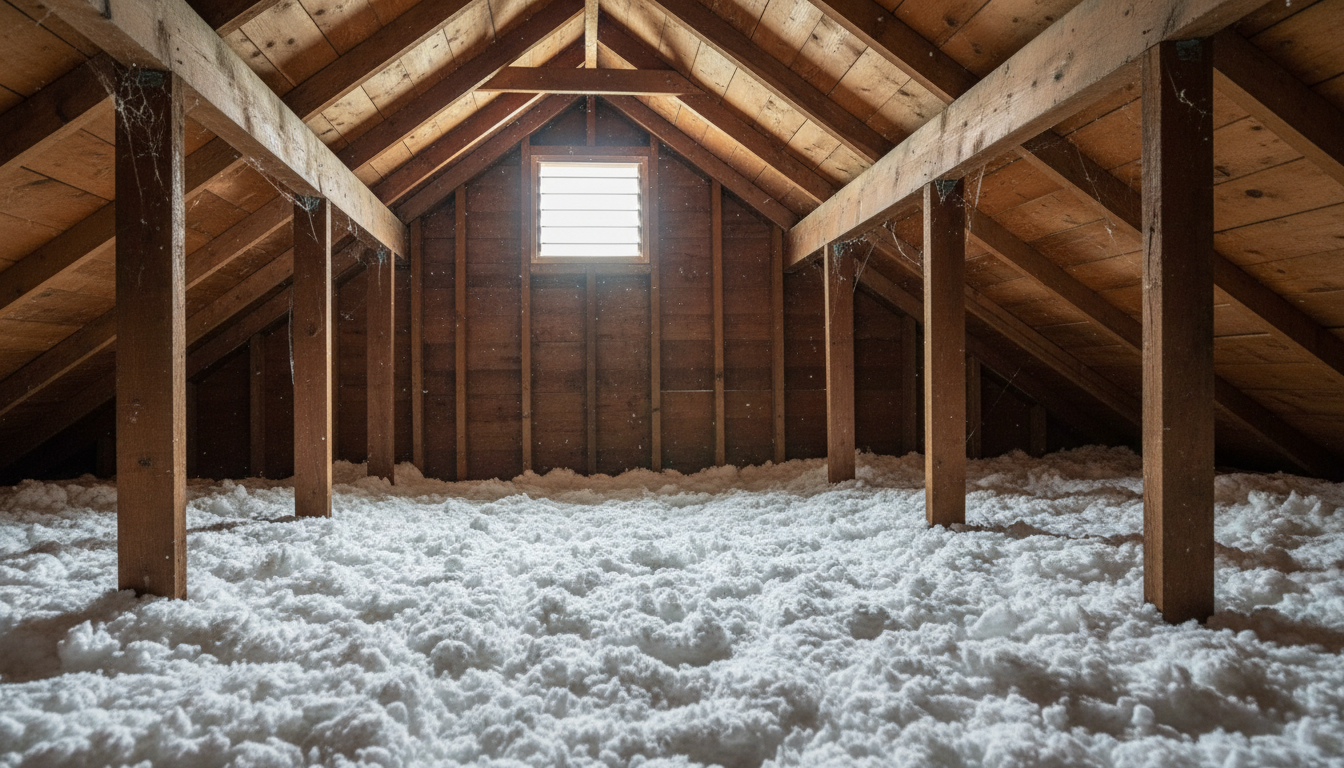
Ontario’s Home Renovation Savings Program pays up to $7,700 for insulation, $100 per window or door opening and up to $250 for air sealing, plus $600 toward the energy assessments, when you do two or more upgrades with a home energy assessment before and after the work. Attic insulation alone gets $1,250 back with no assessment. For scale, attic insulation typically runs about $1,500 to $3,000 for an average attic in HomeStars’ Canada-wide price guide. Adding insulation doesn’t need a City of Toronto building permit, and rebates are paid within 30 to 60 days after the energy advisor submits the final paperwork.
The catch is timing. The bigger rebates only work if an energy advisor sees the house before anything changes. If you’re planning a basement, an addition or a gut renovation this winter, here’s how to line it up so you don’t leave money on the table.
What is the Home Renovation Savings Program?
It’s a rebate program delivered by Save on Energy and Enbridge Gas, with support from the Ontario government. According to Save on Energy, it covers homes heated by electricity, natural gas, oil, propane or wood, with two ways in:
- Bundle and save: a home energy assessment first, then two or more upgrades such as insulation, windows and doors, air sealing or a heat pump water heater, then a final assessment.
- Single upgrades: no assessment needed, for things like cold climate heat pumps, smart thermostats, solar and battery storage, appliances and attic insulation on its own.
For a renovation, the bundle pathway is the one that matters. That’s where wall, basement and window rebates live.
One warning the program itself puts front and centre on homerenovationsavings.ca: watch for fake websites, unauthorized rebate offers and people pretending to be contractors or approved service organizations. Book through the official site, and don’t give personal details to anyone who calls or knocks offering a rebate.
How much can you get back?
These are the program’s amounts for homes heated with natural gas, from the Home Renovation Savings assessment pathway. Amounts vary by heating fuel, so check your own fuel type before you plan around a number.
| Upgrade | What qualifies | Rebate |
|---|---|---|
| Attic insulation | From R-12 or less up to at least R-50 | $1,500 |
| Exterior walls | Insulation value more than R-20 | $3,600 |
| Exterior walls | More than R-12 up to R-20 | $2,100 |
| Basement walls | More than R-22 | $1,500 |
| Basement walls | R-10 to R-22 | $900 |
| Basement slab | Insulated slab | $500 |
| Windows and doors | ENERGY STAR certified; at least 3 window openings or 1 door | $100 per rough opening |
| Air sealing | Beating the air tightness target by 10% or more | $250 |
| Energy assessments | After you complete the program | $600 back |
Attic insulation on its own, outside the bundle, is $1,250 with no assessment. If you’re only doing the attic, that’s the simple route. If the attic is one of several upgrades, the bundle usually pays more.
How the rebates fit into a Toronto renovation
The rebates line up neatly with work that’s already happening in a lot of renovations:
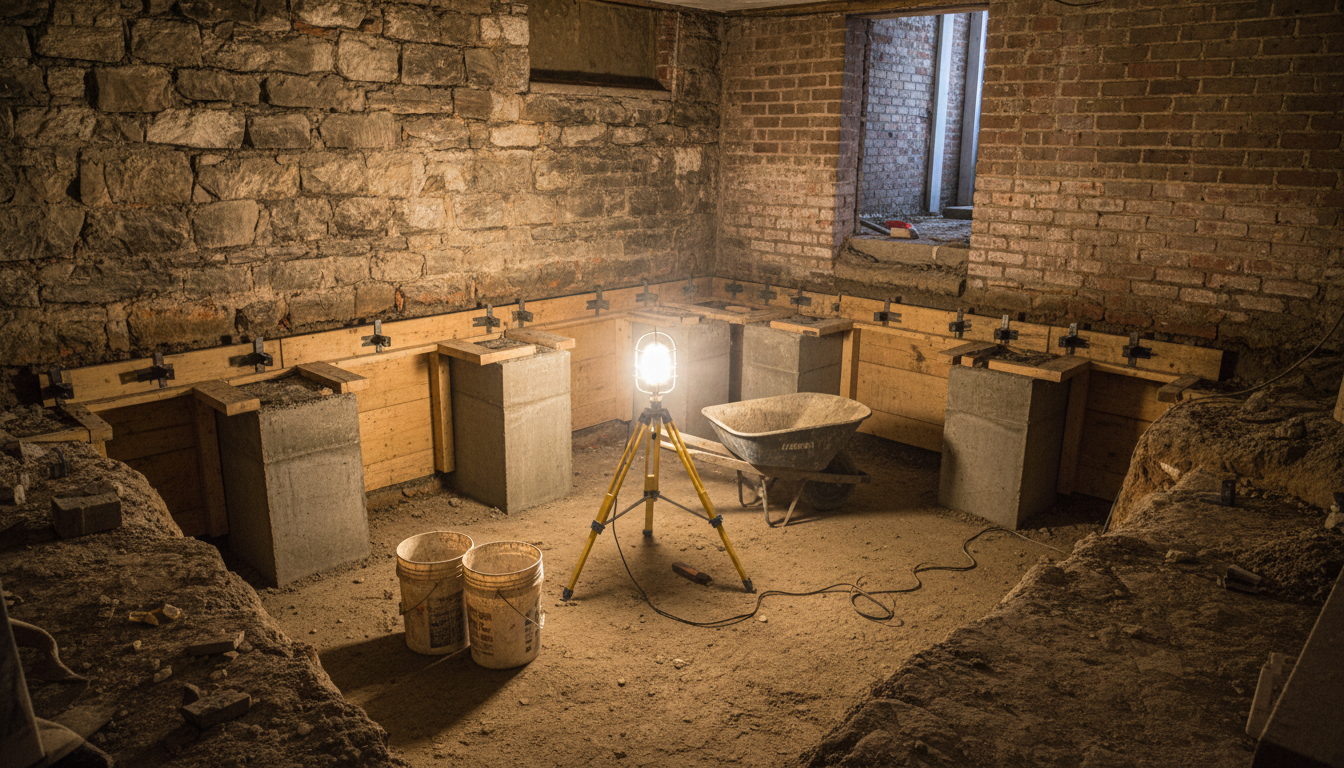
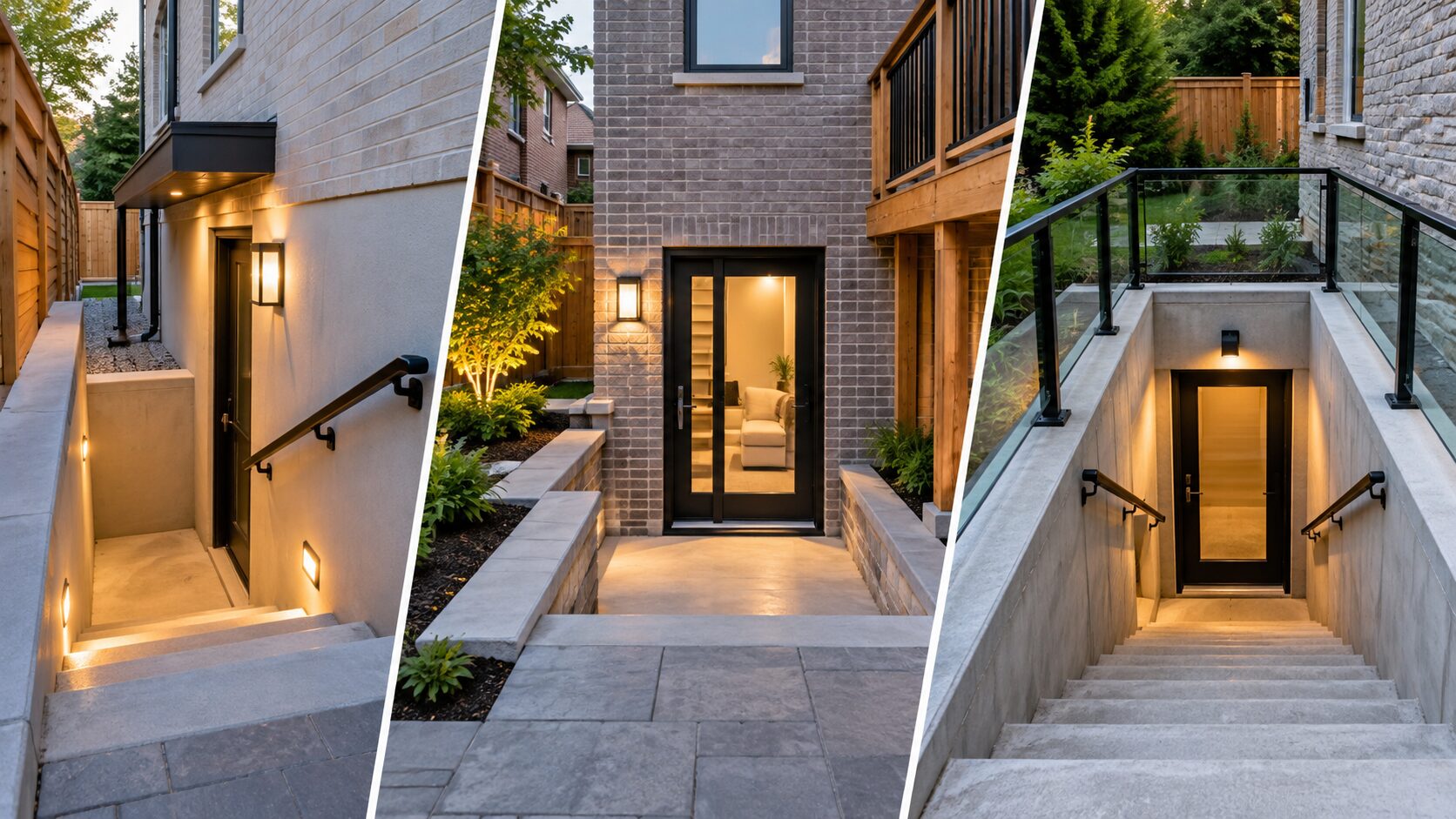
- Basement finishing: the basement walls get insulated anyway. Planning the wall assembly to reach more than R-22 instead of something less moves the rebate from $900 to $1,500. Our basement renovation work is where this comes up most.
- Gut renovations: once the plaster comes off the exterior walls of a 1920s brick house, insulating the cavities is the cheapest it will ever be. That’s the biggest single insulation rebate in the table.
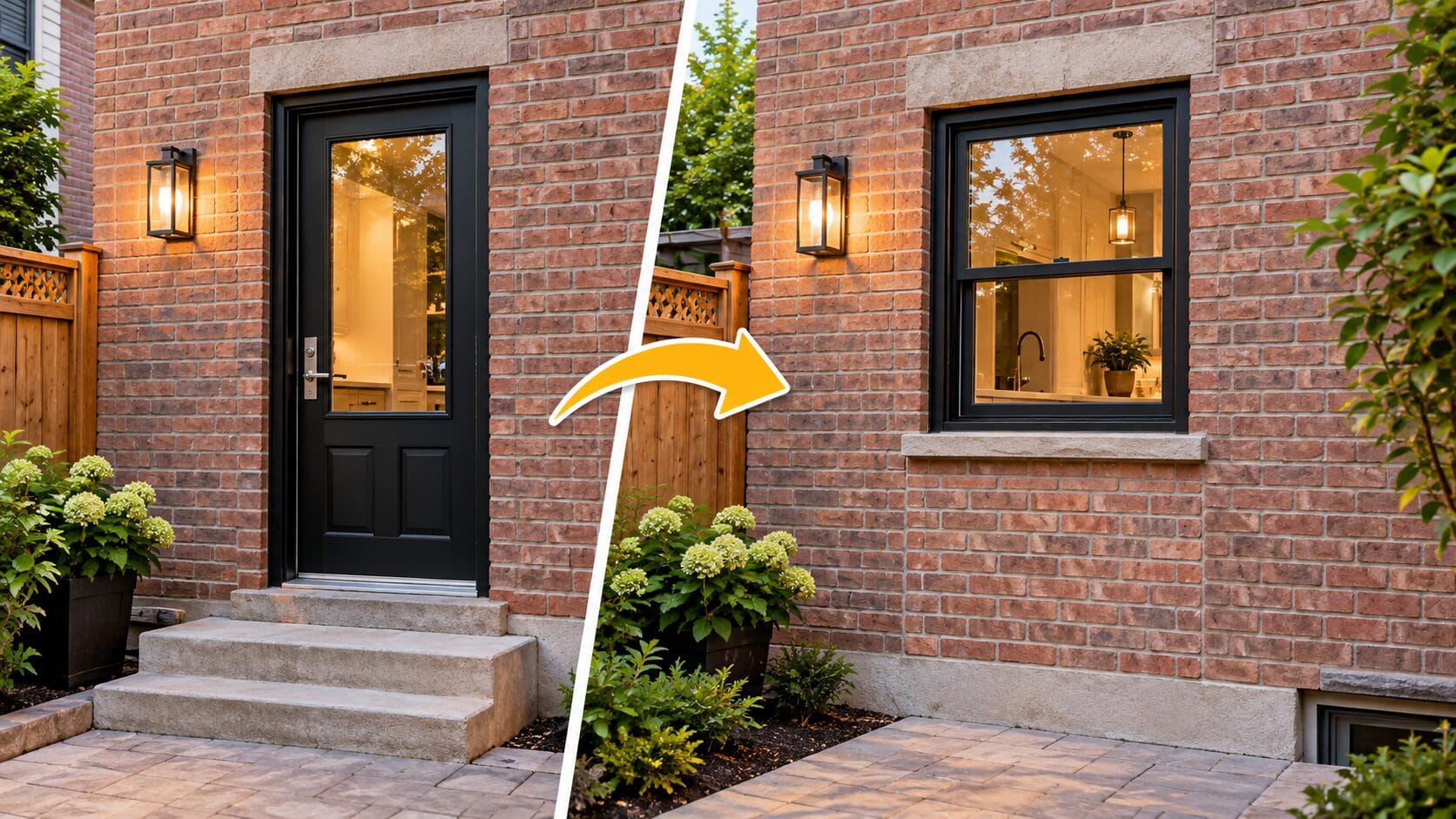
- Rear additions and new openings: new windows and patio doors in an addition or a reworked back wall can count toward the window and door rebate if they’re ENERGY STAR certified and the opening count qualifies.
- Air sealing: the rebate depends on beating an air tightness target for the whole house, so every gap sealed during the renovation helps.
A word on basement walls, since it’s the most common place we see insulation go wrong. We install one warm-side vapour barrier on framed walls. The mistakes are batts pressed against bare concrete and plastic on both sides of the insulation. Chasing a higher R-value doesn’t help if the wall traps moisture.
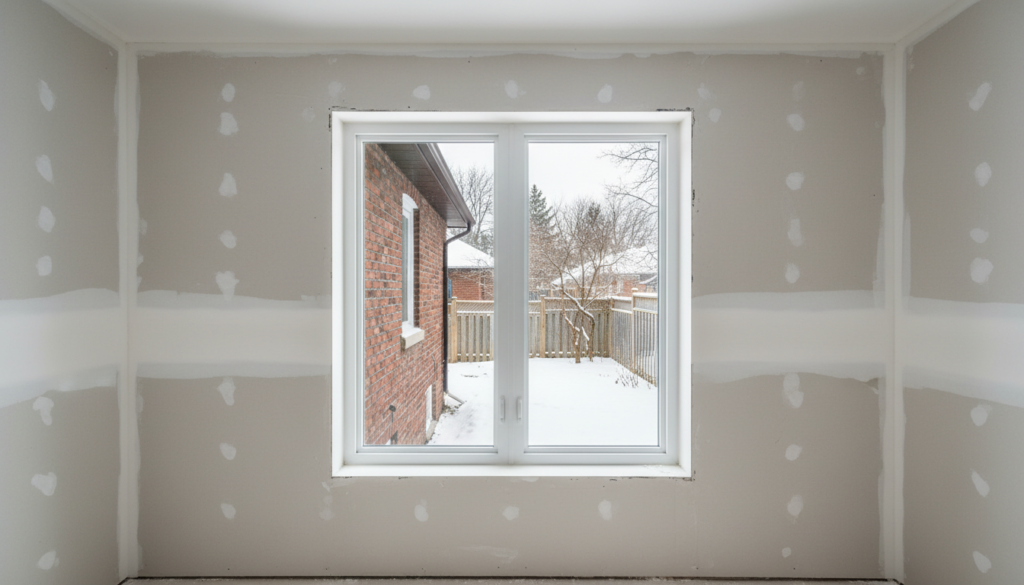
The order matters: book the assessment before demolition
The program is clear that the first assessment comes before any work begins. Here is the sequence from the program’s own steps:
- Book an initial home energy assessment with a registered energy advisor from an approved service organization, before any work starts.
- Review the advisor’s report and choose at least two of the recommended upgrades.
- Have your contractor complete the work.
- Book the final assessment with the same energy advisor.
- The advisor submits the paperwork, and the rebate is paid within 60 days by cheque or 30 days by Interac e-Transfer.
On a renovation, step one should happen before the demolition date goes in the schedule. Once walls are open or insulation is out, the advisor can’t measure the starting point, and that can cost you the rebate.
Who qualifies?
Per the program’s eligibility rules, you need to:
- Own the home.
- Live in a single detached or semi-detached house, a row or townhouse, or a mobile home on a permanent foundation.
- Be an Enbridge Gas customer with an active account who mainly heats with a natural gas furnace or boiler, or, for electric, propane, oil or wood heat, be connected to the Ontario electricity grid.
That covers most Toronto semis and detached houses. Condos and apartments aren’t on the list.
Do you need a permit?
Not for the insulation itself. The City of Toronto’s permit list says adding or replacing insulation doesn’t need a building permit. Replacing a window or door in the same opening doesn’t either, in a detached, semi-detached or row house, as long as the opening size and location stay the same and the structure isn’t altered.
New openings, bigger openings and moved openings do need a permit, and so does the larger renovation the insulation is part of, like finishing a basement or building an addition. Our permit handling service takes care of that side.
What it costs in Toronto
We didn’t find a current, neutral Toronto-only price source for insulation, so the figures below are from HomeStars’ attic insulation price guide, which is Canada-wide. Rebates come off after the work is done.
| Item | Typical cost | Rebate available |
|---|---|---|
| Attic insulation, average attic | $1,500 to $3,000 | $1,250 alone, or $1,500 in the bundle (natural gas) |
| Installation labour | $1.50 to $2.45 per sq ft | Included above |
| Air sealing | $350 to $1,500 | Up to $250 in the bundle |
| Energy assessments | Set by the service organization | $600 back after completion |
What moves the price:
- Access: a tight attic hatch or a finished room below means more labour.
- Old insulation: removing old, wet or mouldy material adds time and cost.
- Wall condition: exterior walls are cheapest to insulate when they’re already open for a renovation.
- Window size and type: custom sizes for older brick openings cost more than standard units.
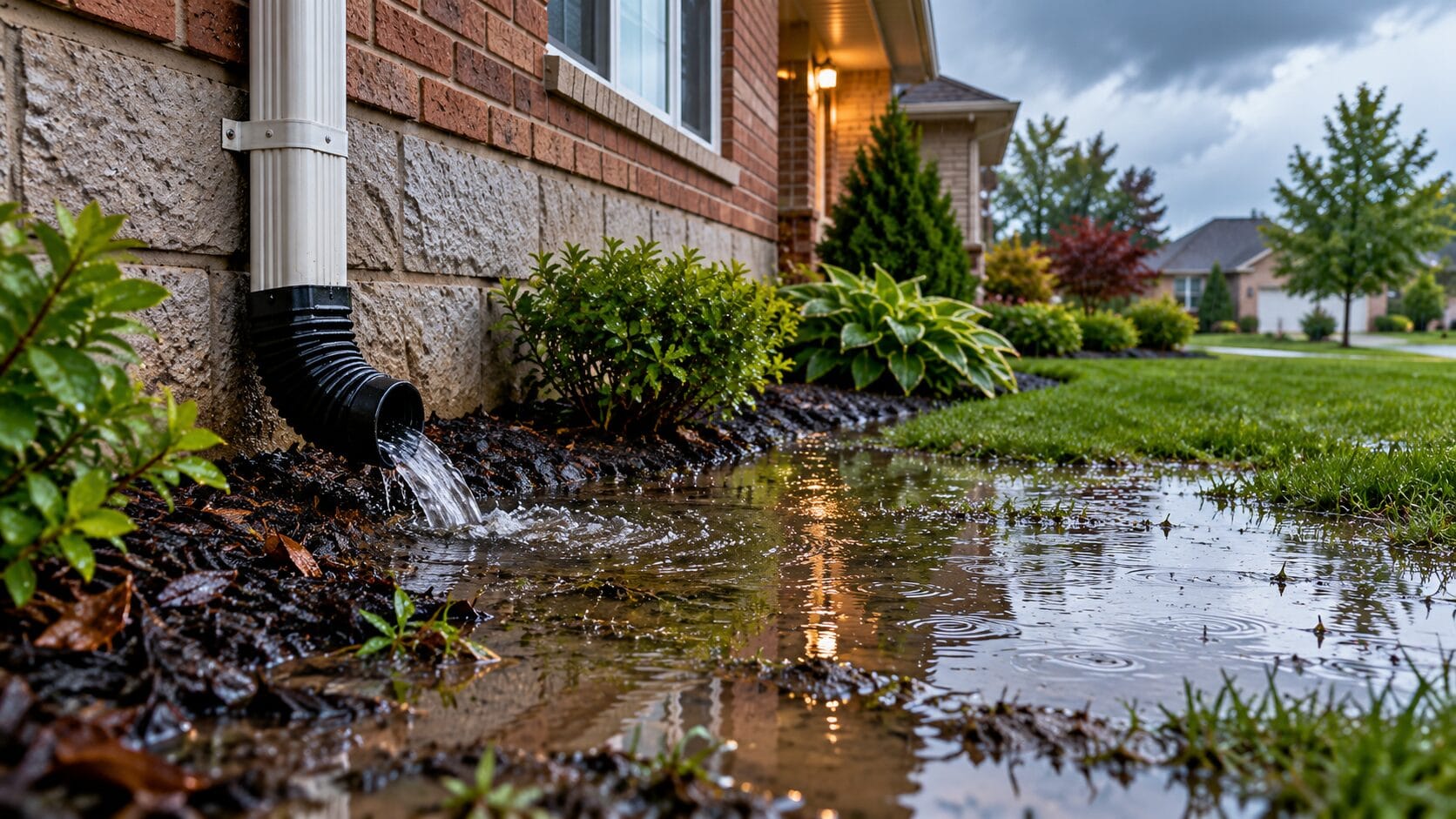
- Moisture fixes: any leak or grading problem has to be fixed before insulation goes in.
If you’re planning bigger work, our renovations team can build the rebate steps into the schedule from the start.
Frequently asked questions
How much does attic insulation cost in Toronto?
HomeStars’ Canada-wide price guide puts attic insulation at about $1,500 to $3,000 for an average attic, including materials and installation, with air sealing listed separately at $350 to $1,500. Under the Home Renovation Savings Program, attic insulation alone can earn $1,250 back without an energy assessment. HST is extra, and every job is quoted on site.
Do I need an energy assessment to get the rebates?
For the bigger rebates, yes. Insulation beyond the attic-only rebate, windows, doors and air sealing are in the pathway that requires an initial home energy assessment before any work starts, at least two upgrades, and a final assessment with the same energy advisor. The program gives $600 back toward the assessments once you complete it.
Do new windows qualify for the Ontario rebate?
Windows and doors earn $100 per rough opening if they’re ENERGY STAR certified and you upgrade at least three window openings or one door. They’re part of the assessment pathway, so they need to be combined with at least one other recommended upgrade.
Can I apply if my renovation has already started?
Not for the assessment pathway. The program says to complete the initial home energy assessment before beginning any work, because the advisor measures the house before the upgrades go in. If your walls are already open, call an energy advisor before anything else goes in.
How long does it take to get the rebate?
After your final assessment, the energy advisor submits the paperwork. For the assessment pathway, the program says to expect payment within 60 days by cheque or within 30 days by Interac e-Transfer.
Planning a renovation this winter?
Tell us what you’re planning and we’ll help you sort out which upgrades could qualify and when to book the energy advisor, before demolition starts. We carry $2 million in liability insurance, have WSIB clearance, back our work with a 5-year workmanship warranty and have more than 20 years of experience in the GTA. Request a free estimate or call us at 647-642-4664.