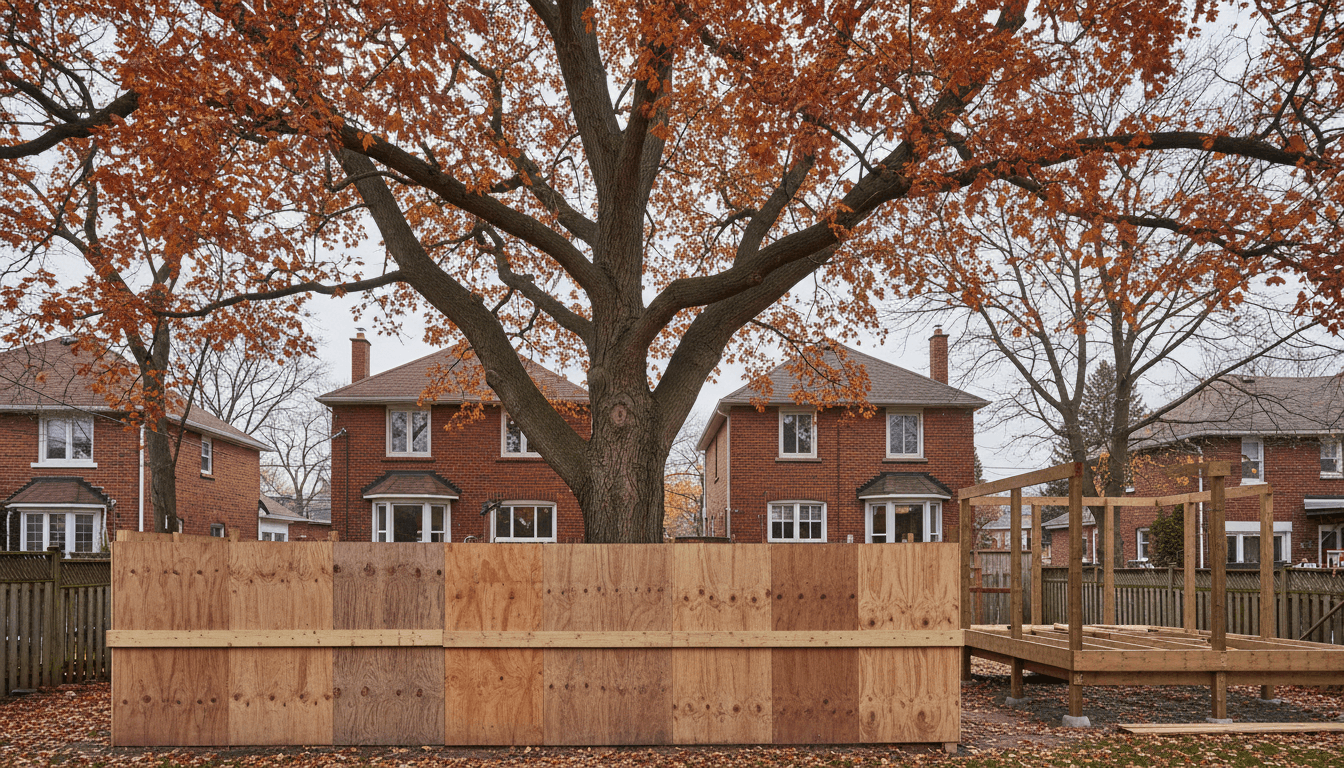
Yes, if your project will injure or remove a private tree 30 cm or more in diameter, any City street tree, or any tree in a ravine area, or if the work, access or material storage falls inside a protected tree’s Tree Protection Zone. Under the City’s 2026 application form, a construction-related permit costs $436.39 per private or City tree and $913.58 per boundary or neighbour tree, plus replanting or $583 cash-in-lieu per tree removed. If a neighbour’s tree is involved, the two notice periods alone add several weeks before you can dig.
Toronto also tightened its tree rules on September 1, 2026, including a new protected category for very large trees. Here’s what that means if you’re planning a deck, an addition or a garden suite in a yard with mature trees.
Which trees are protected in Toronto?
According to the City’s tree permit guidance, these trees need a permit before they can be injured or removed:
- Trees on private property with a diameter of 30 cm or more, measured at 1.4 m above the ground.
- Trees on City streets, of any size.
- Trees in ravines and natural feature areas, of any size.
- Trees in City parks, of any size.
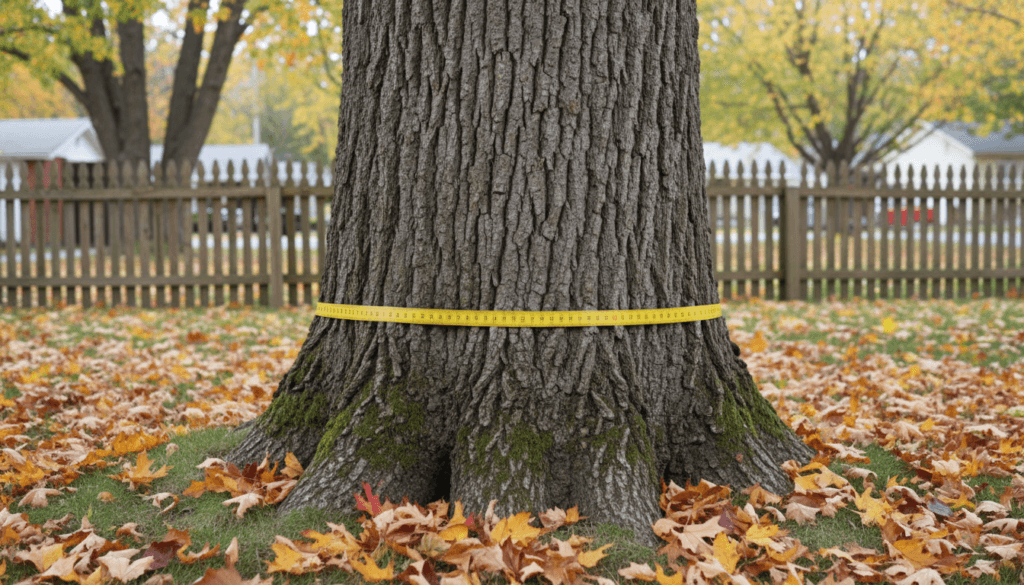
To check a tree yourself, measure around the trunk at 1.4 m and divide by 3.14. A trunk about 95 cm around is right at the 30 cm line. A tree shared with or owned by your neighbour is treated as a boundary or neighbour tree, with a higher fee and notice to the neighbour.
What changed in the Toronto tree bylaw on September 1, 2026
City Council approved a set of changes after its tree bylaw review. The ones that took effect on September 1, 2026:
- A new Distinctive Tree category gives extra protection to large, healthy trees over 61 cm in diameter on private property and in ravines. City staff must consider that status when someone applies to injure or remove one.
- Trees planted because of an enforcement order or a development approval now need a permit to injure or remove, regardless of size.
- Stumps 40 cm or larger can be used as evidence when a removed tree can no longer be measured.
- Replacement ratios for illegal removals are now based on diameter, starting at 5 trees for 1 and rising for larger trees.
- New fees apply to ravine and natural feature permit applications.
There’s more coming. Council endorsed lowering the private tree threshold from 30 cm to 20 cm, but that depends on a staff report expected in 2027, so it isn’t in force yet. If you have a 20 to 30 cm tree near a future build, it’s worth knowing that the line may move.
When does construction need a tree permit?
This is the part most people miss. You don’t have to cut a tree down to need a permit. The City treats work inside a protected tree’s Tree Protection Zone, including machine access and storing materials, as injuring the tree. For a 30 to 40 cm tree on private property, the minimum protection zone is 2.4 m from the trunk. In a ravine, the same size tree gets 4.8 m or the dripline, whichever is greater.
If your work stays outside the zone, you don’t need a tree permit, but you still have to protect the tree, and the City expects a tree protection plan prepared with an arborist. A few more rules that catch homeowners:
- Building as-of-right under zoning doesn’t exempt you. The City says pools, landscape features, accessory structures, standalone garages and basements that extend past the house footprint aren’t treated as as-of-right when they affect a protected tree.
- A Committee of Adjustment approval doesn’t replace the tree permit if a protected tree is directly affected.
- Pruning done to good arboricultural practice and removing a tree that is 100% dead do not need a permit.
What a tree permit costs in Toronto
These are the per-tree application fees on the City’s 2026 private tree application form, with replanting and ravine figures from the City’s how to apply page. Fees are non-refundable and paid when you apply.
| Item | 2026 City fee | Notes |
|---|---|---|
| Private tree, construction-related | $436.39 per tree | Most decks, additions and garden suites |
| City street tree, construction-related | $436.39 per tree | Also needs City tree guarantees |
| Boundary or neighbour tree, construction-related | $913.58 per tree | Neighbour is notified |
| Private tree, not construction-related | $145.87 per tree | For example, a tree in poor condition |
| Ravine tree, construction-related | $262.72 per tree | Separate ravine permit |
| Replacement tree, cash-in-lieu | $583 per tree | When there is no room to replant |
What drives the real cost up or down:
- Number of trees: fees are per tree, so a neighbour tree and two of your own add up fast.
- The arborist report and tree protection plan: they’re required with the application and priced by the arborist.
- Hoarding: protective fencing has to be installed before a construction permit is issued.
- Replanting: a removal permit requires new trees, at least 50 mm caliper for deciduous trees or 1.75 to 2.5 m tall for conifers, or cash-in-lieu.
- Design changes: moving a footing or shifting a structure a metre can sometimes keep you out of the protection zone altogether.
How it affects decks, additions and garden suites
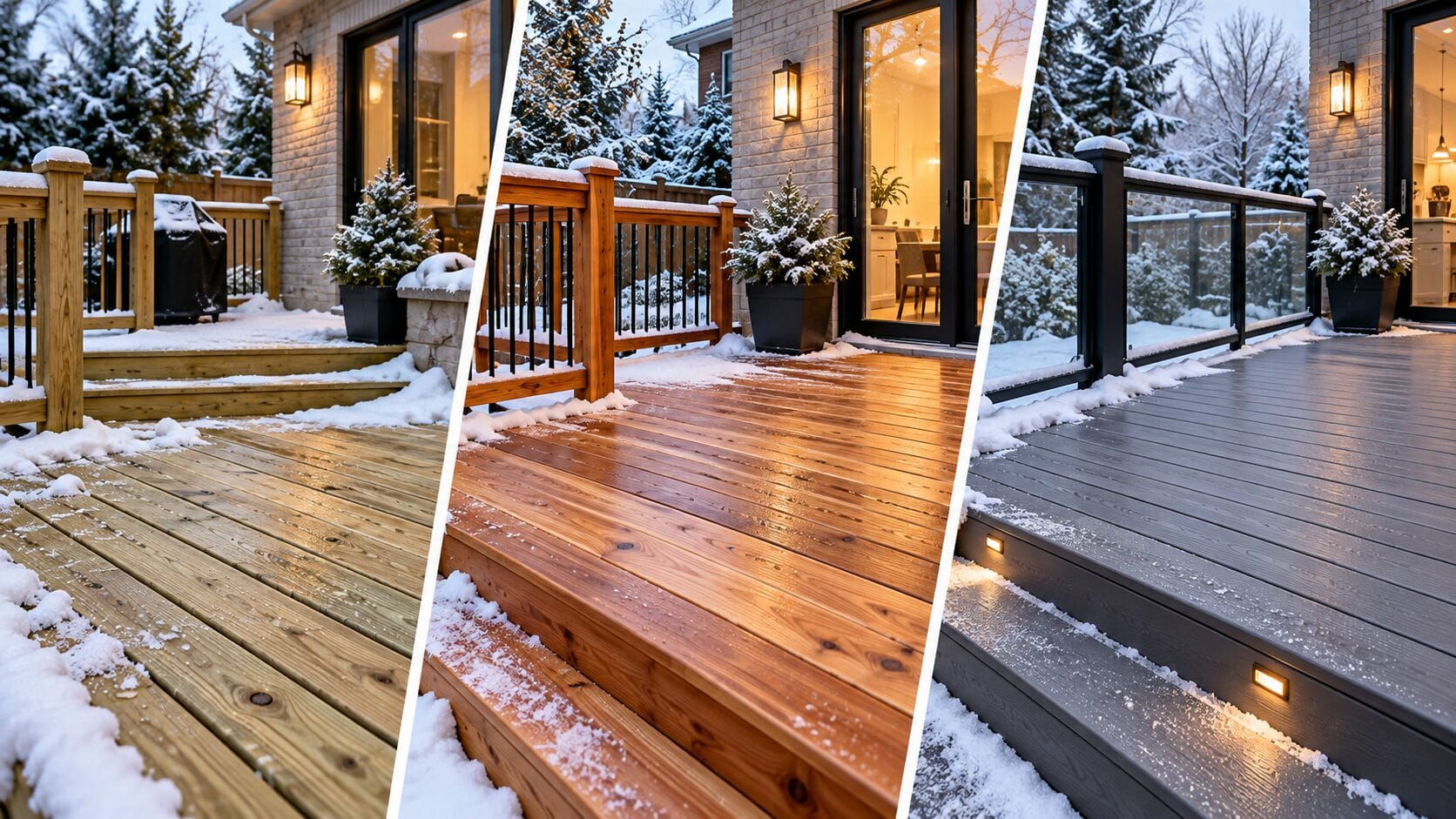
Decks are a common place for this to come up, because people want the deck in the shade. For backyard decks, the footings are what matter. Each footing hole cuts roots, so the layout, the number of footings and their position relative to the tree all count. A slightly smaller deck or a different footing layout can be cheaper than a permit, an arborist and hoarding.
For home additions, a rear addition often pushes the foundation straight toward a backyard tree, and the excavation is far bigger than a deck footing. Get an arborist to mark the protection zones before your designer draws the footprint.
For detached garden suites, trees are often the deciding factor. The suite, the path to it and the servicing trench to the main house can each cross a root zone, and a neighbour’s tree near the lot line brings in the higher boundary fee and the notice periods.
How the tree permit process works
- Have an arborist measure the trees and their protection zones, including neighbour and street trees near the work.
- Adjust the design if you can, so the work, access and storage stay out of the zones.
- If a permit is still needed, apply with the form, the fee, the arborist report, photos and a site plan. Removals also need a landscaping and replanting plan.
- If a boundary or neighbour tree is involved, the owner gets written notice within 15 business days, and a second notice at least 15 days before the permit is issued.
- Install tree protection hoarding, sign the City undertaking, and post the permit where it can be seen from the street for a day before work starts.
If the City refuses the application, you can appeal in writing to Community Council, and its decision is final. When we’re handling your permit applications, we line the tree permit up with the building permit so one doesn’t hold up the other.
Frequently asked questions
How much does a tree permit cost in Toronto for construction?
Under the City’s 2026 application form, a construction-related permit costs $436.39 per private or City tree and $913.58 per boundary or neighbour tree. Removals also require replanting or cash-in-lieu of $583 per tree. Arborist reports and tree protection are separate costs, and every project is quoted on site.
What size tree needs a permit in Toronto?
On private property, trees 30 cm or more in diameter, measured 1.4 m above the ground. City street trees and trees in ravines and parks are protected at any size. Council has endorsed lowering the private threshold to 20 cm, but that is pending a report expected in 2027.
Do I need a tree permit to build a deck near a tree?
Only if the deck, its footings, or the access and storage for the work fall inside a protected tree’s protection zone. For a 30 to 40 cm private tree that zone is at least 2.4 m from the trunk. If you stay outside it, you still need to protect the tree.
What is a Distinctive Tree in Toronto?
Since September 1, 2026, it is a large, healthy tree over 61 cm in diameter on private property or in a ravine. City staff identify these trees, and the City must consider that status when someone applies to injure or remove one.
How long does a Toronto tree permit take?
There is no single published timeline. When a boundary or neighbour tree is involved, the neighbour gets notice within 15 business days of the application and again at least 15 days before the permit is issued, so plan for several weeks.
Planning a build in a yard with big trees?
We’ll walk the yard with you, look at where the trees and their root zones sit, and plan the deck, addition or garden suite around them before anyone draws the final plans. We carry $2 million in liability insurance, back our work with a 5-year workmanship warranty, and have more than 15 years of experience in the GTA. Request a free estimate or call us at 647-642-4664.