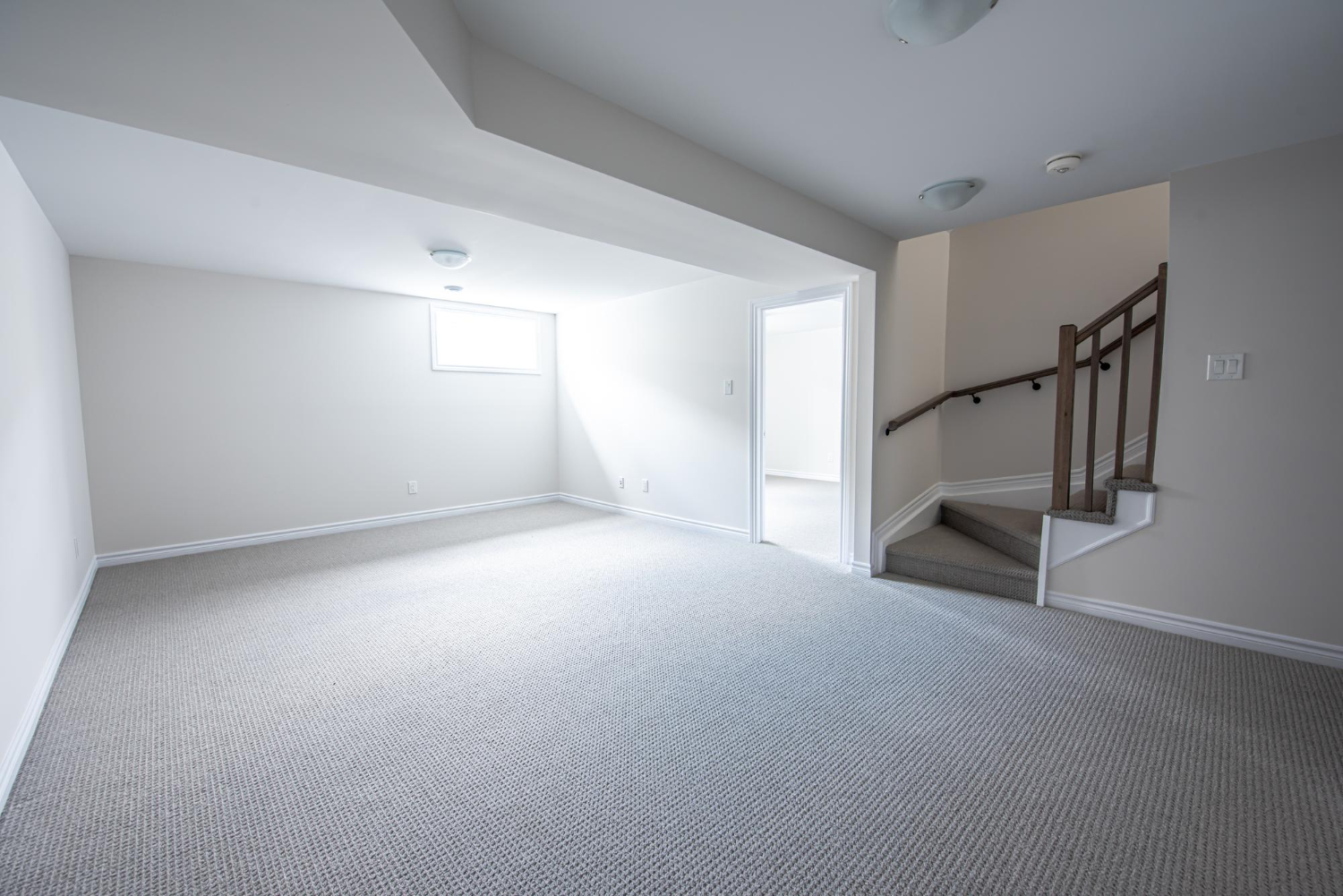
Transform Your Basement Into Liveable Space
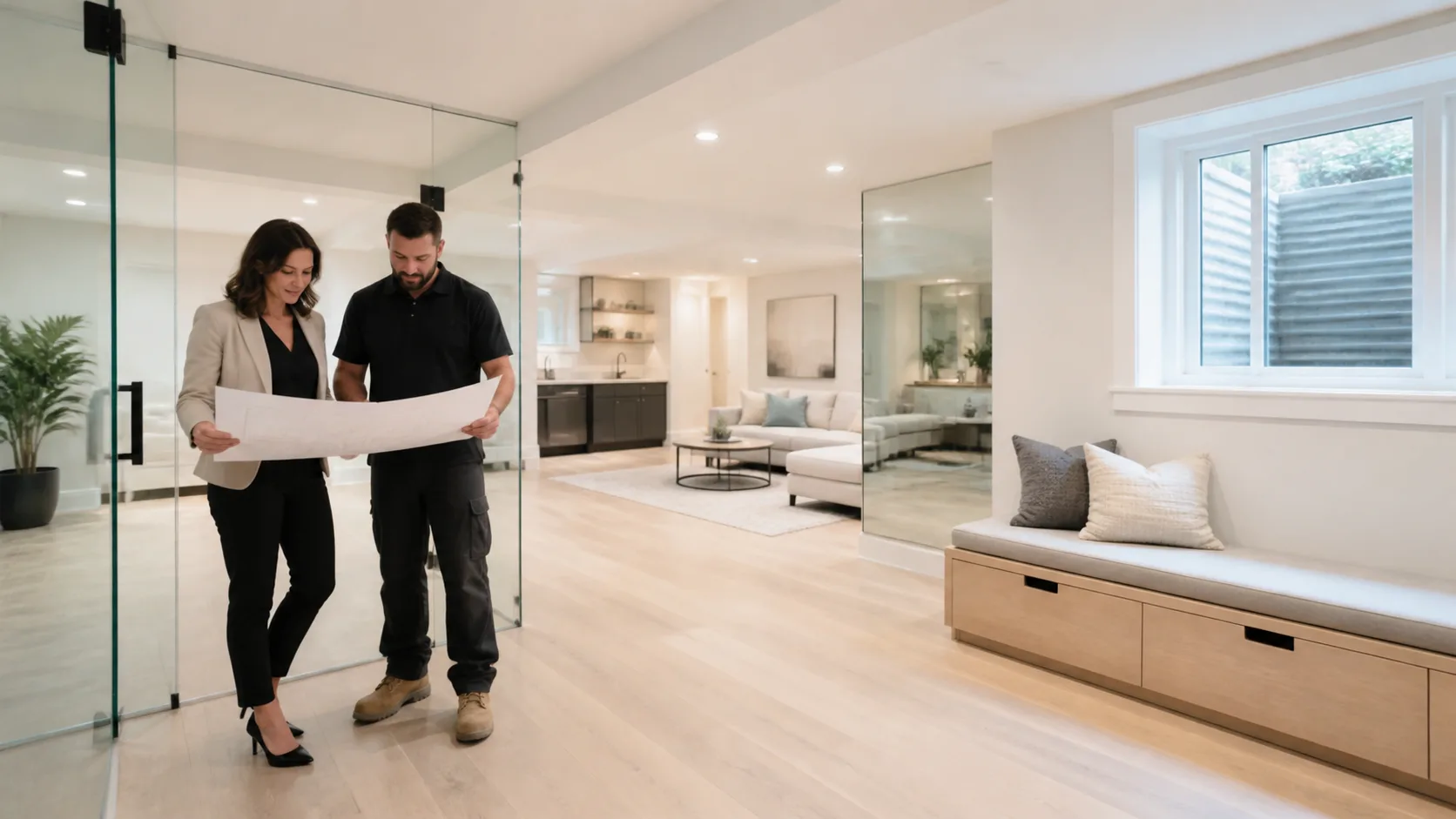
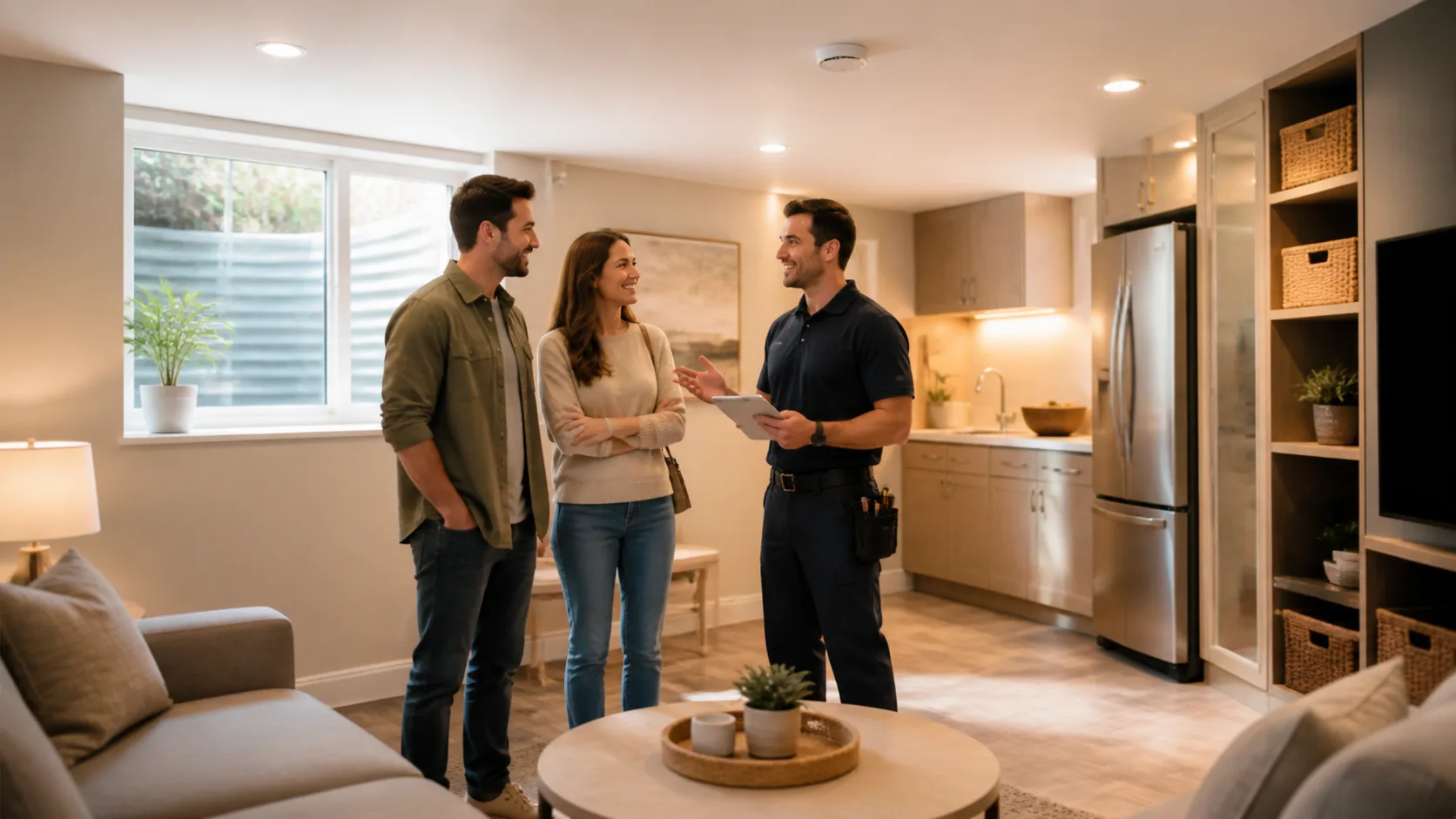
Finishing a basement is one of the easiest ways to add liveable space to a Toronto home without changing the footprint. A dark, unused area can turn into a cozy family room, a quiet office, a guest suite, or even a rental space. It can also give you far better storage and a place to keep clutter out of your main living areas.
Professional basement finishing services in Toronto give you quality work that is built to last. With a pro team, you can expect proper framing, insulation, plumbing, and electrical, all planned around your home and your lifestyle. You also get peace of mind that the space is built to current codes and passes the right inspections.
As a Toronto-based general contractor, we work in local homes every day. We understand common basement issues in this area, how the weather affects foundations, and what local bylaws and inspectors look for. That means a smoother project, fewer surprises, and a finished space you can feel good about.
Planning Your Finished Basement Vision
Before anyone picks up a tool, it helps to be clear about how you want to use the space. Think about your daily life and where your current home feels tight or noisy. Your finished basement can fill those gaps.
Many homeowners use their basements as:
- Family or TV room
- Home office or study area
- Gym or wellness space
- Kids playroom or teen hangout
- Guest room, in-law suite, or potential rental unit
Layout is just as important as the list of rooms. We look at:
- Traffic flow from stairs and doors
- Access to natural light from existing or new windows
- Storage nooks under stairs or in low-height areas
- Soundproofing between floors for TV areas or suites
- Flexible spaces that can change as your life changes
Budget and priorities go hand in hand. A contractor can help you sort your wish list into must-haves and nice-to-haves, then plan the work in a smart order. We often suggest cost-effective materials that still add value and stand up well to basement conditions.
What Happens During a Basement Finishing Project
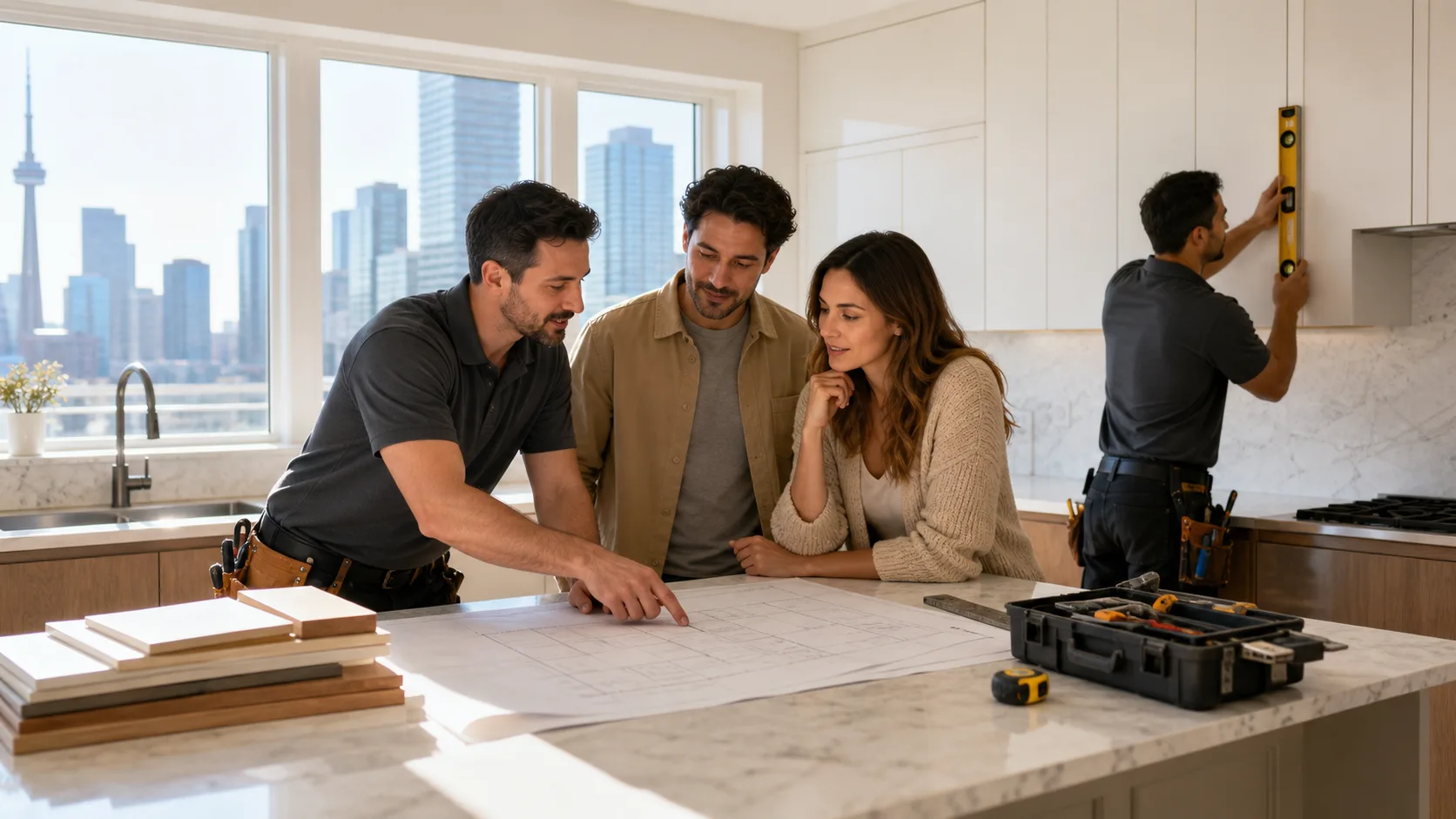
A good project starts with a detailed look at what is already there. During an initial consultation and site visit, a contractor will check:
- Ceiling height and any low beams or ductwork
- Signs of moisture, cracks, or past water issues
- Existing plumbing stacks and drains
- Electrical panel capacity and current wiring
- Foundation walls, posts, and other structural elements
Next comes design and planning. This usually includes:
- A clear floor plan that shows rooms, doors, and fixtures
- Choices for finishes like flooring, trim, and lighting styles
- Plans for plumbing and electrical upgrades
- Permit drawings as needed for the City of Toronto
Permits and inspections are a big part of basement finishing services in Toronto. Your contractor should handle the applications, book inspections, and make sure the work meets the Ontario Building Code.
Construction usually follows these phases:
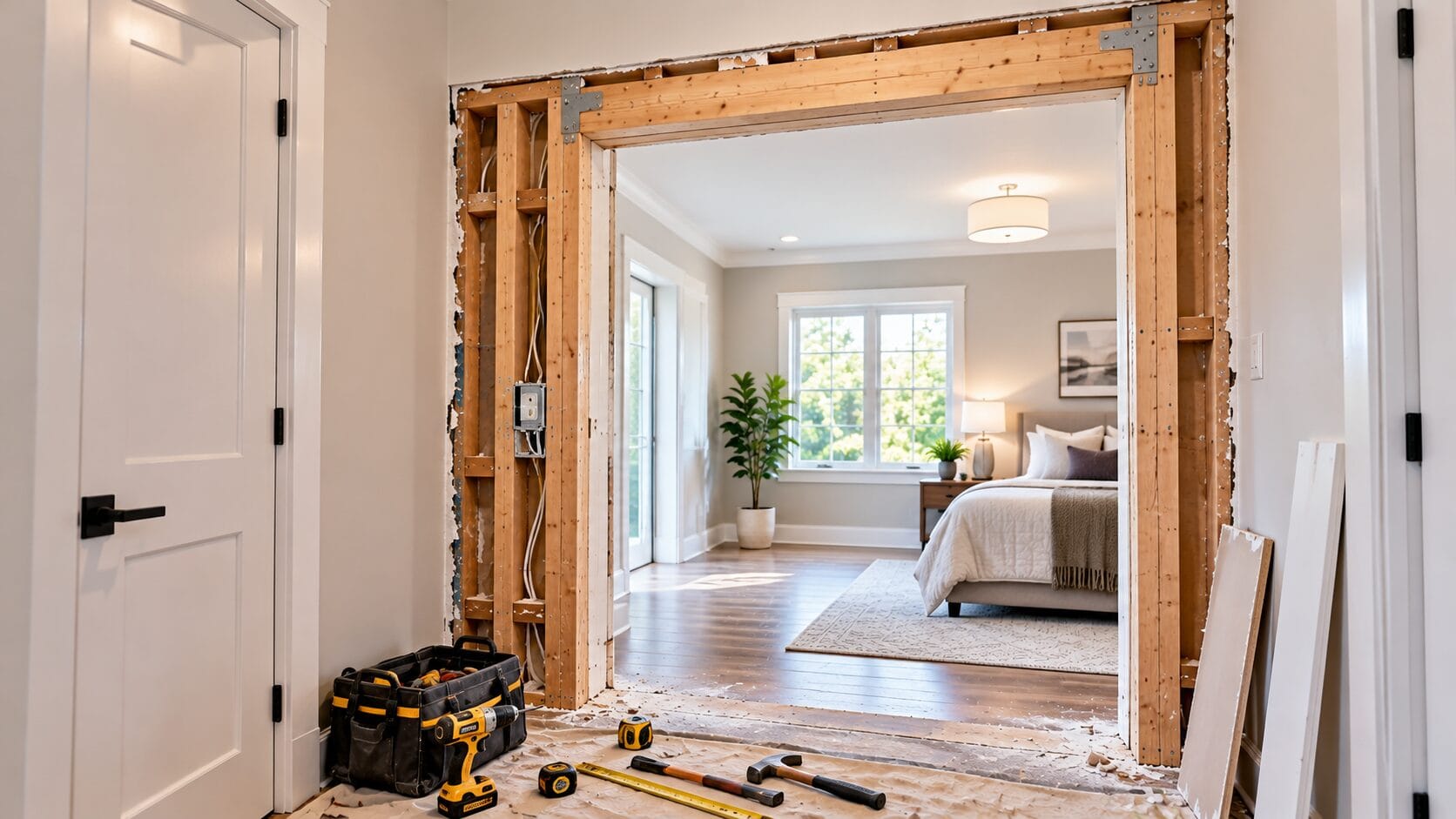
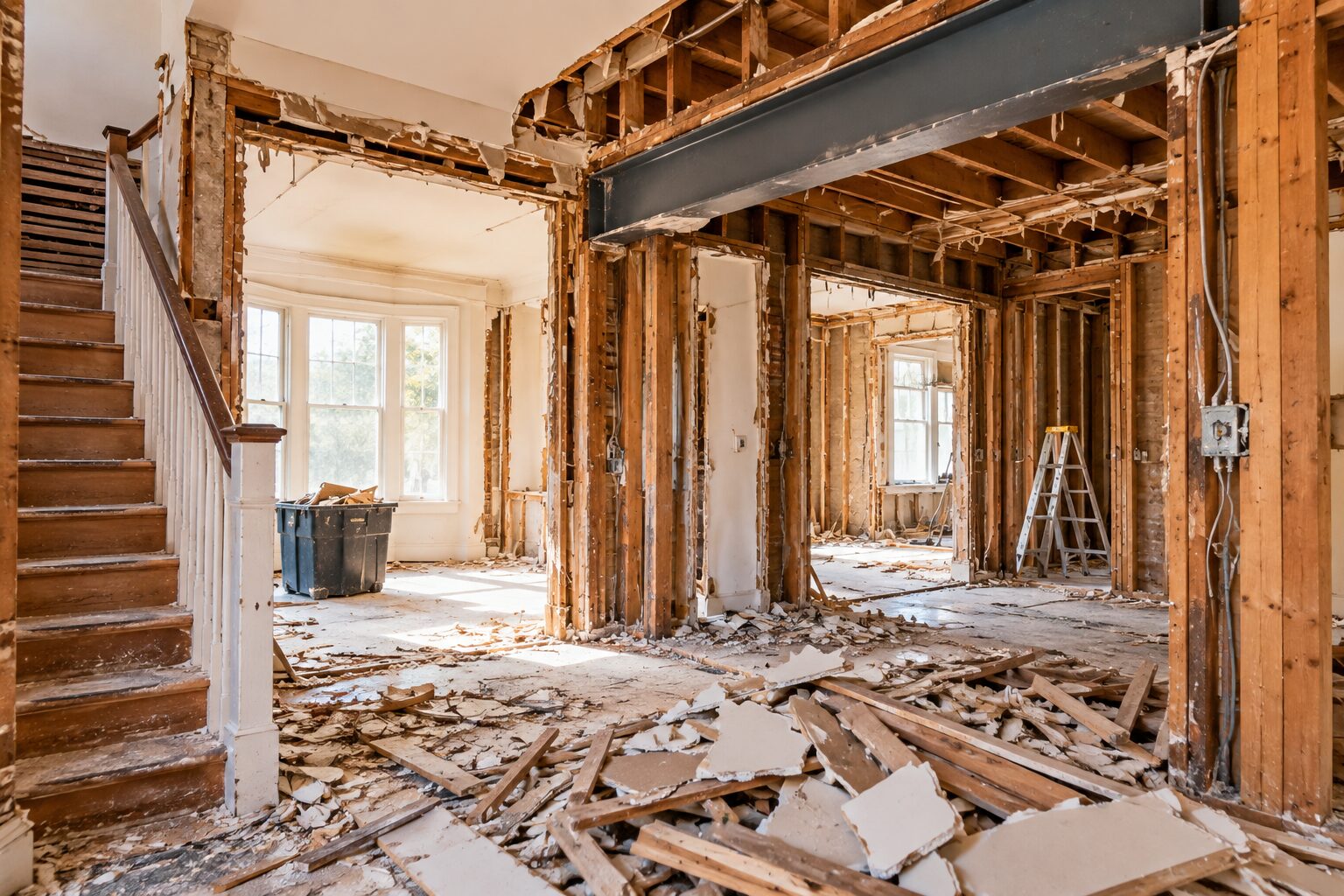
- Demolition and clean-out of any old finishes
- Framing new walls and bulkheads
- Rough-in for plumbing, electrical, and HVAC
- Insulation and vapour barrier
- Drywall, taping, and priming
- Flooring, trim, and doors
- Final fixtures, painting, and finishing touches
During the work, you can expect some noise and dust, but a good team will manage this with regular clean-up, floor protection, and clear updates on timing and any changes.
How Toronto’s Climate and Codes Affect Your Basement
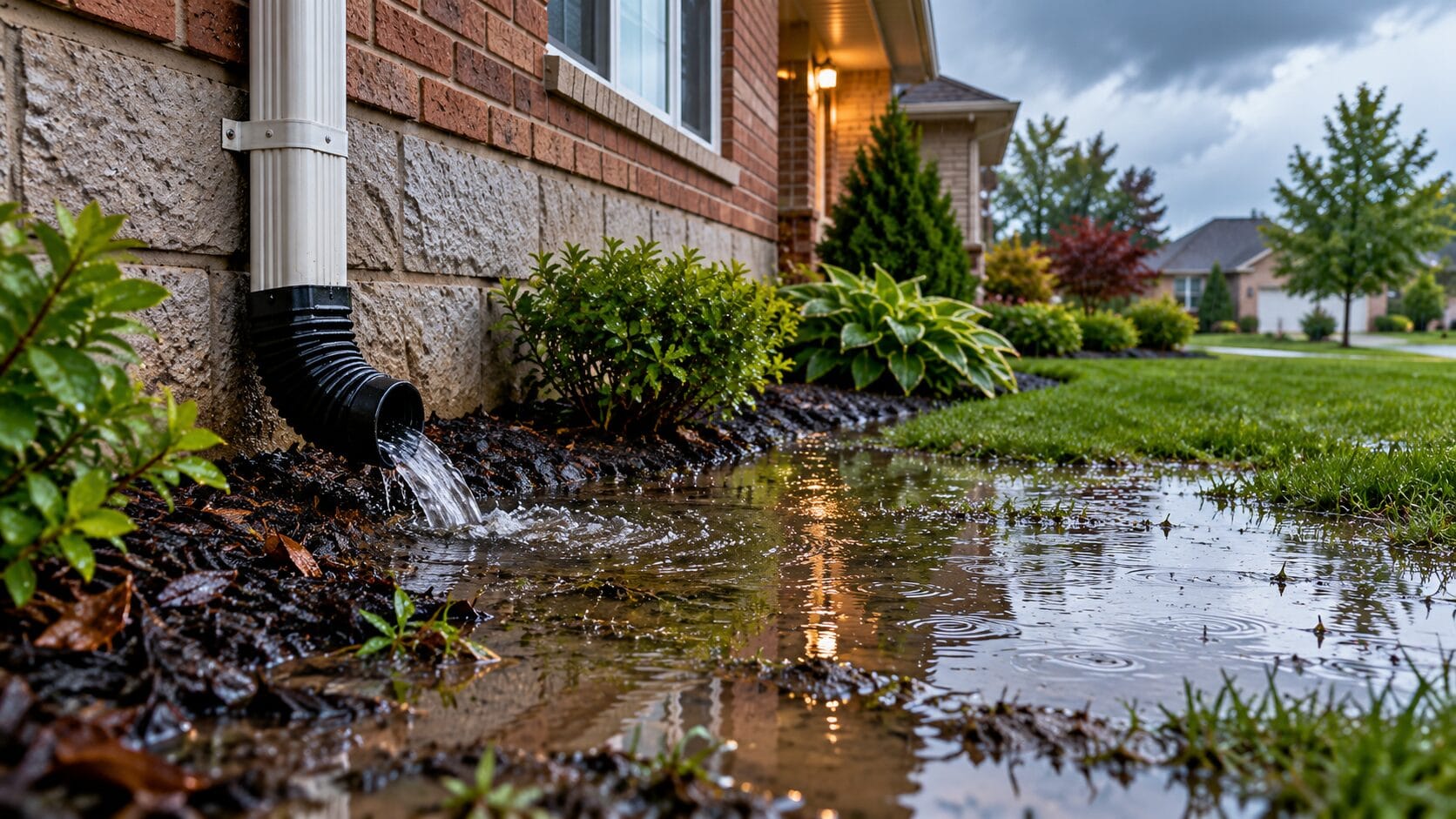
Toronto basements face real moisture and temperature challenges. Heavy rain, melting snow, and humidity can all show up as damp spots, musty smells, or cold floors if the space is not built correctly.
A careful contractor will focus on:
- Checking for leaks or seepage and addressing them first
- Proper vapour barriers on walls and floors as required
- Insulation that suits below-grade spaces
- Materials that handle occasional humidity better than others
Comfort in every season is a big goal. That often means:
- Planning HVAC supply and return vents for good airflow
- Considering in-floor options or area rugs on colder surfaces
- Upgrading windows where possible for better light and efficiency
- Using LED lighting to brighten spaces that get less natural light
Building code and safety are non-negotiable. For basements, this usually includes:
- Egress windows or safe exits in sleeping areas
- Minimum ceiling height requirements
- Smoke and carbon monoxide detectors on the right circuits
- Fire-rated drywall and other fire separation details where required
These rules are there to protect your family and any future buyers, so you want a team that treats them as a baseline, not a menu.
Features That Maximize Value and Everyday Use
Once the basics are covered, the fun part is choosing features that make the space work hard for you. Some popular upgrades include:
- Built-in shelving and closed storage
- Durable flooring suited to below-grade spaces
- An extra bathroom or powder room
- A wet bar or kitchenette area
- Extra soundproofing between floors or around media rooms
If you are thinking about a legal secondary suite, there is more to plan. A contractor can walk you through requirements such as:
- A separate entrance or shared entry that still meets code
- Proper fire separation between units
- Kitchen or kitchenette layout and plumbing
- Safe, code-compliant electrical and heating for both spaces
Style still matters in a basement. We like to match the look of the rest of the home so the lower level feels connected, not like a separate, forgotten space. Lighter colours, layered lighting, and smart furniture layouts can make even a low-ceiling basement feel open and welcoming.
Choosing the Right Basement Finishing Partner
The contractor you choose will shape your whole experience, so it is worth taking time to pick the right fit. Key things to look for include:
- Strong local experience with basement finishing services in Toronto
- Clear photos of past projects that match your style
- References from homeowners in similar neighbourhoods
- Detailed, written quotes that explain what is included
Before you sign anything, ask questions like:
- Who handles permits and inspections?
- What is the expected timeline, and how are delays handled?
- How will changes be priced and approved?
- What kind of warranty is offered on workmanship?
At Jacko Contracting, we focus on home renovations and basements across Toronto and the GTA. Our goal is to keep projects organized, respect your home, and deliver a finished basement that feels like it has always belonged there, while meeting local codes and practical needs.
Transform Your Basement Into Functional Living Space Today
If you are ready to turn your underused basement into a comfortable, value-adding part of your home, our team is here to help from first idea to final walkthrough. At Jacko Contracting, we provide tailored basement finishing services in Toronto that fit your space, budget, and lifestyle. Tell us about your goals, and we will create a clear plan, schedule, and quote so you know exactly what to expect. To start the process or request a consultation, simply contact us today.