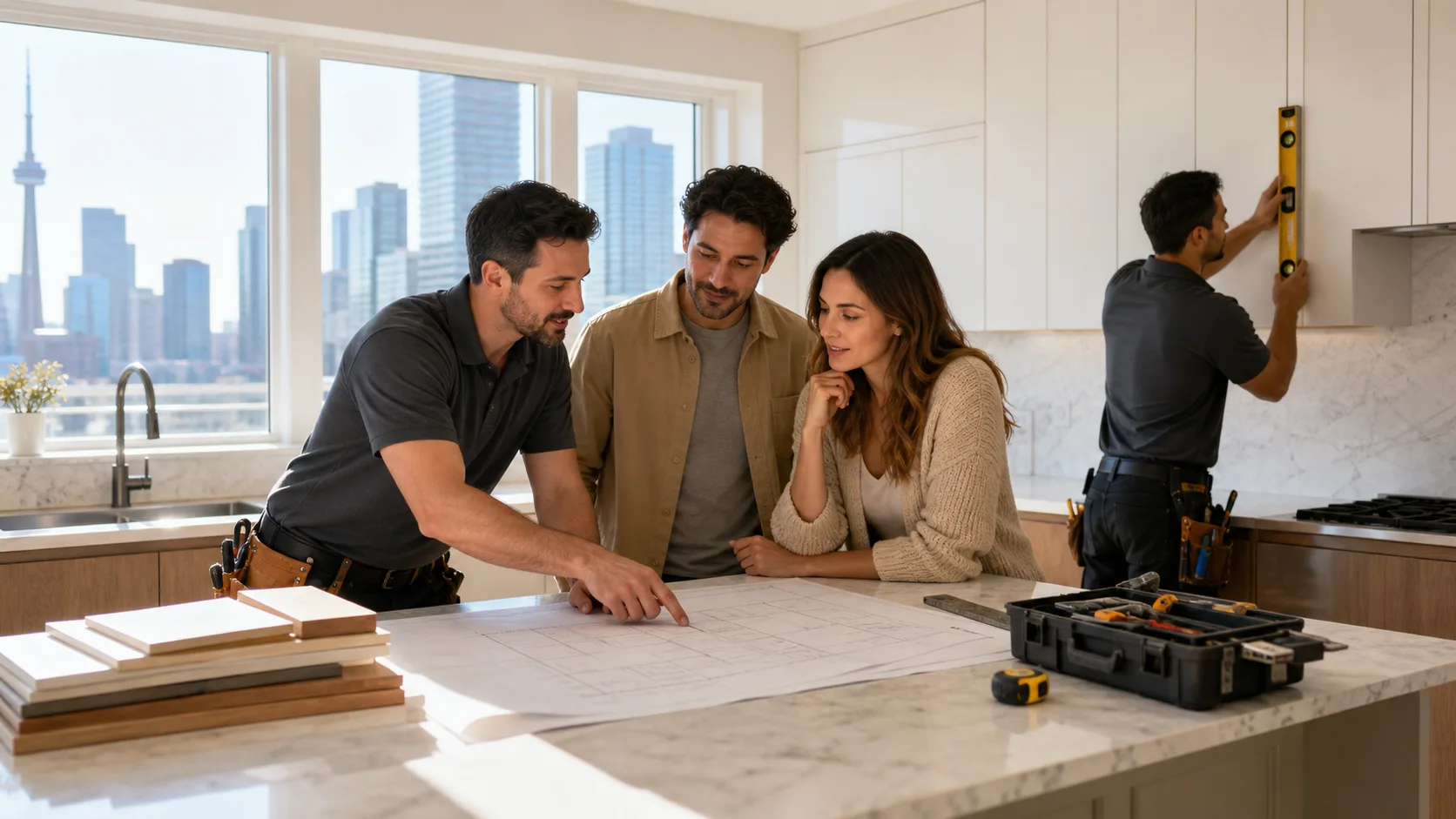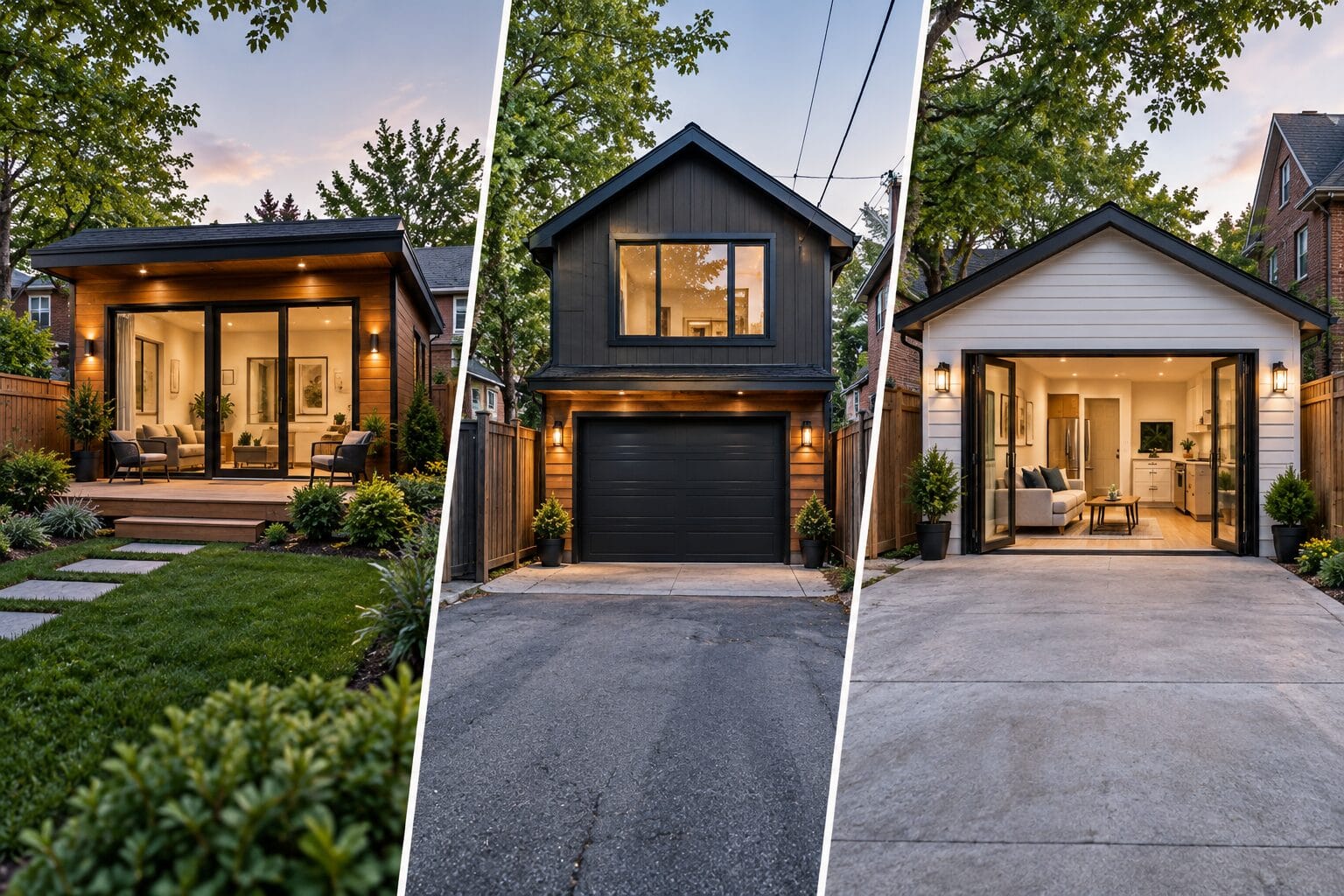
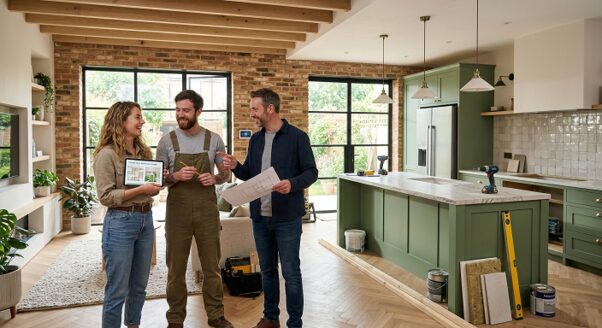
The top home remodeling trends in Toronto for 2026 prioritize functional living space, energy-efficient retrofits, and high-ROI structural upgrades. With average full-home renovation costs in the GTA currently ranging from $150 to $250 per square foot, homeowners are moving away from purely cosmetic updates. Instead, the highest demand is for income-generating legal basement suites, zoned open-concept kitchens with statement islands, and smart-home HVAC integrations that offset rising utility costs. This guide breaks down the exact trends, realistic budgets, and project timelines Toronto homeowners need to know.
Top Renovation Trends at a Glance
Before diving into the details, it helps to see the full picture in one place. Here is a quick overview of what homeowners are requesting most, along with each trend’s typical cost impact.
| Trend | What It Involves | Estimated Toronto Cost (2026) |
| Warm minimalism | Natural wood tones, matte finishes, fewer upper cabinets | $25,000 – $45,000 |
| Multi-functional basements | Legal suites, home offices, flexible living space | $65,000 – $95,000+ |
| Statement kitchen islands | Waterfall countertops, mixed materials, added seating | $5,000 – $12,000 (Island only) |
| In-floor heating | In-floor heating under tile in primary bathrooms | $15 – $25 per sq. ft. |
| Indoor-outdoor flow | Larger sliding doors, connected deck or patio space | $10,000 – $25,000 (Doors & structural headers) |
| Sustainable upgrades | Better insulation, heat pumps, low VOC materials | $8,000 – $18,000 (Offset by Greener Homes Grants) |
| Smart home integration | Wired lighting, climate, and security controls | $2,500 – $7,500 |
Why These Trends Are Gaining Traction
Most of what is popular in 2026 is less about chasing a look and more about function. Warm minimalism replaced the stark white kitchens of a few years ago because homeowners wanted spaces that felt lived in rather than showroom-ready.
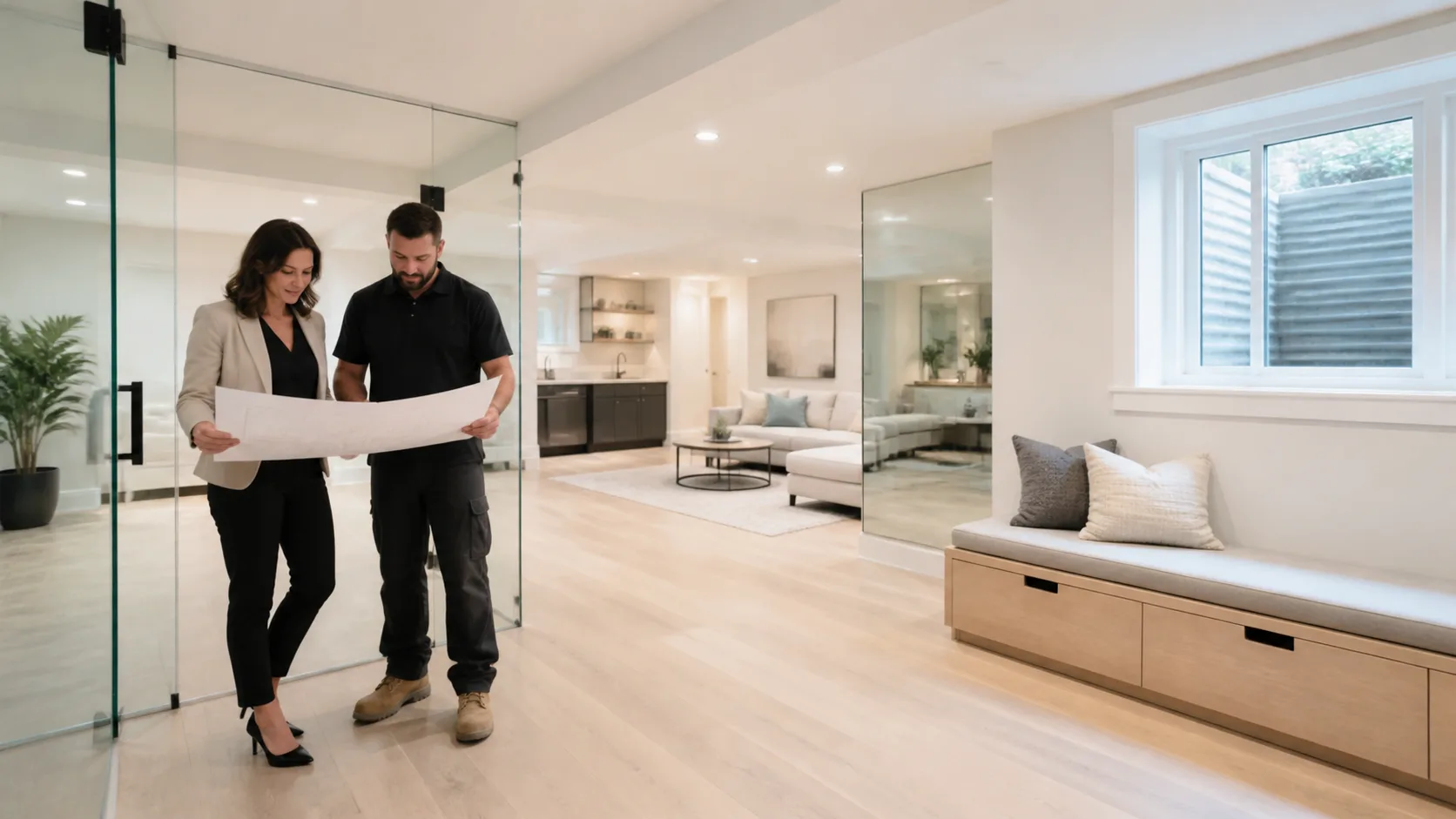
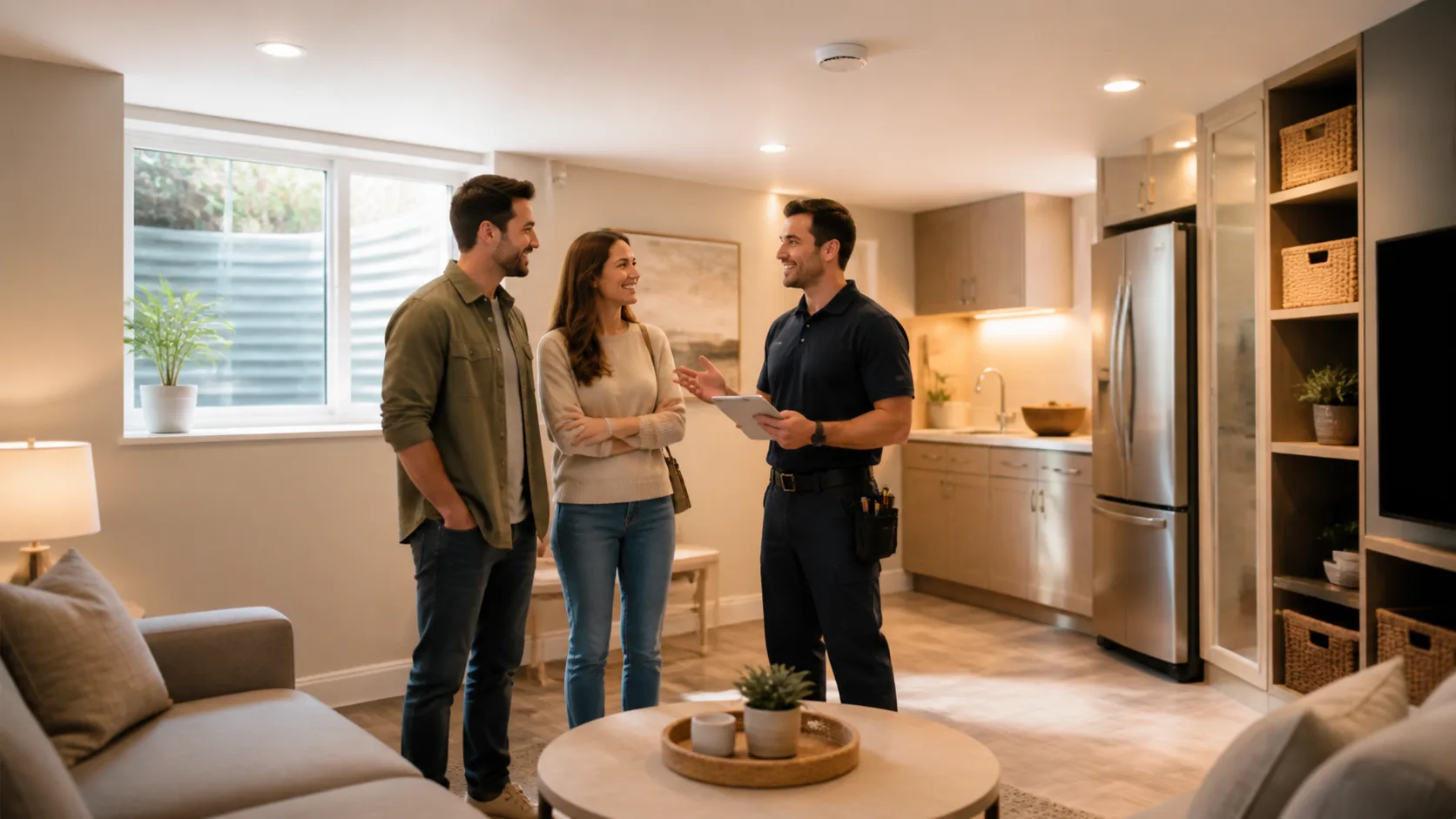
Multifunctional basements are showing up constantly in home renovation trends 2026 conversations because more households need flexible space for remote work, aging parents, or rental income, and a finished basement delivers all three without adding to the home’s footprint.
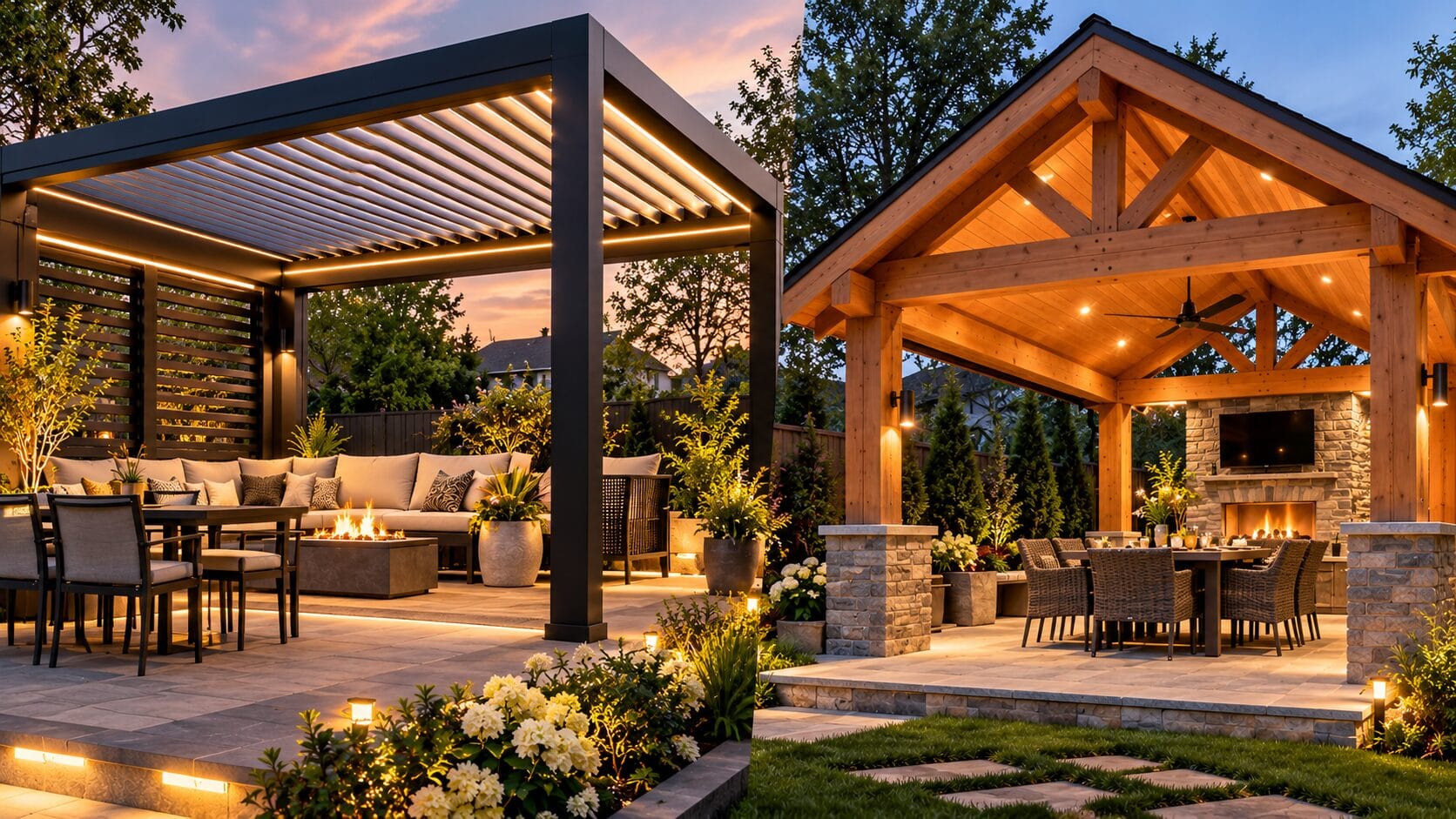
Indoor-outdoor flow has grown alongside a renewed interest in outdoor living, especially since larger glass doors and covered decks extend usable space for a good chunk of the year in the GTA climate. None of these trends are purely cosmetic, which is part of why they are holding up better than past fads.
Sustainable and Energy Efficient Upgrades
Energy performance has moved from a nice-to-have to a standard line item on many renovation quotes. Homeowners are increasingly pairing cosmetic updates with upgraded insulation, air sealing, and heat pump systems, partly because utility costs have climbed and partly because provincial and municipal rebate programs have made the upfront cost easier to absorb.
Low VOC paints, engineered wood products, and better window glazing are also showing up more often, not because they are trendy, but because they quietly improve comfort year-round. For older GTA homes with original insulation or single-pane windows, this kind of upgrade often delivers a faster payback than a purely cosmetic change.
Smart Home Integration
Smart technology has settled into a more practical phase. Rather than flashy standalone gadgets, homeowners are asking contractors to wire homes for lighting, climate, and security systems during the renovation itself, since running wiring before walls are closed up is far cheaper than retrofitting later.
Common requests include app-controlled thermostats, integrated doorbell cameras, and lighting zones that can be adjusted by room. This trend pairs naturally with basement and kitchen projects, where new electrical work is already part of the scope.
What’s Driving Renovation Costs This Year
A few factors are shaping home renovation costs Toronto homeowners are seeing on quotes right now:
- Skilled trade rates have climbed steadily, and labour now makes up a larger share of most project budgets than it did a few years back.
- Material costs for stone countertops, tile, and quartz remain elevated compared to pre-pandemic pricing, though supply has stabilized.
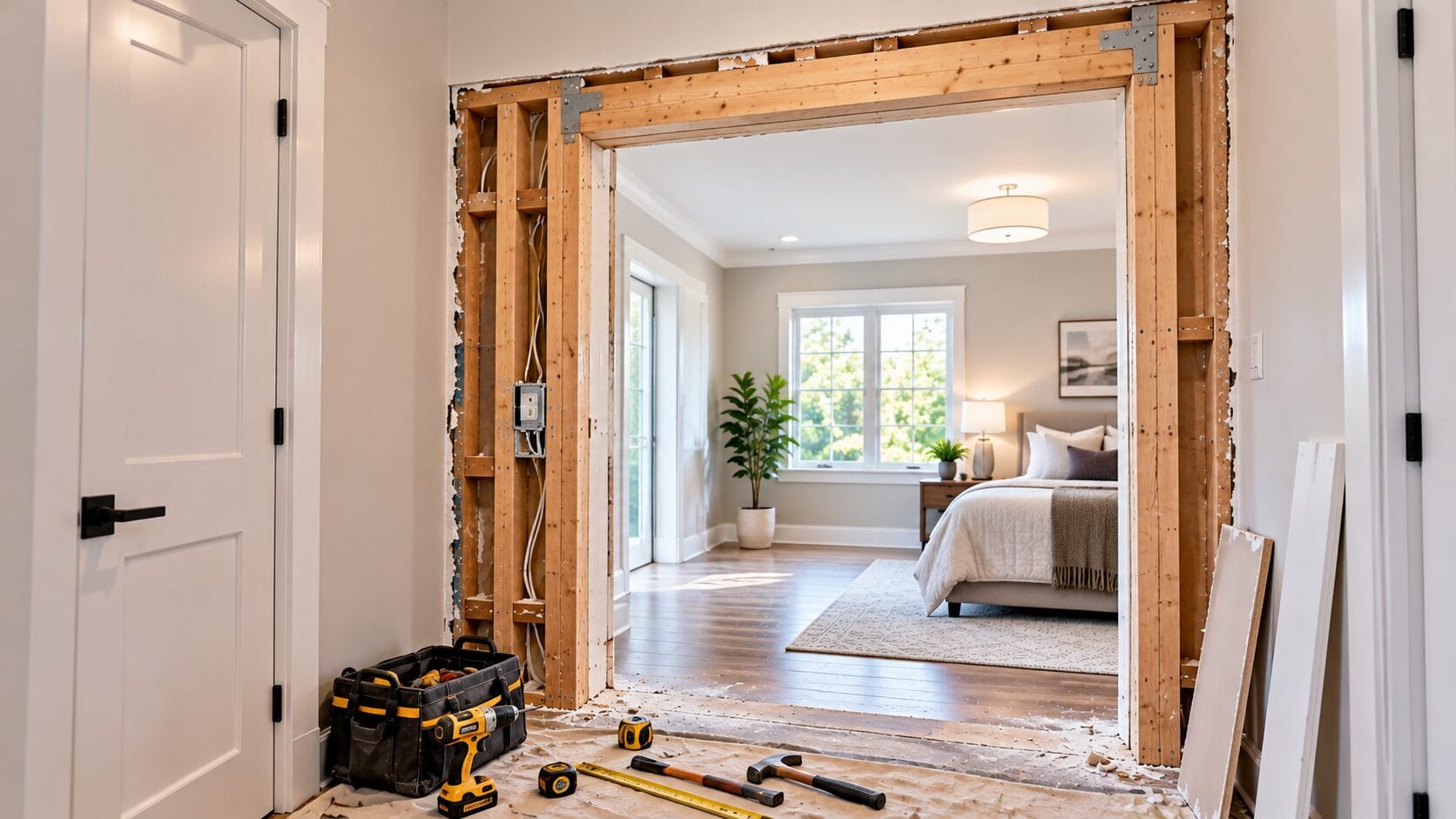
- Permit requirements for basement suites and structural changes have gotten more detailed, which adds time and cost to bigger projects.
- Custom millwork and cabinetry lead times can stretch a project’s timeline more than the actual construction work does.
- Demand for energy-efficient materials and smart systems has added new cost categories that weren’t standard on quotes a few years ago.
None of this means renovating is a bad idea this year. It means going in with realistic expectations makes the difference between a project that stays on budget and one that does not.
Budgeting for a 2026 Renovation
A few practical habits help keep any project, trendy or not, within reach:
- Prioritize the changes that affect daily use before the ones that are purely visual.
- Ask your contractor which finishes have longer lead times so you can order early and avoid delays.
- Set aside a contingency of around 10 percent for older homes, since older wiring or plumbing often surfaces once walls are opened.
- Get a clear breakdown of labour versus materials on any quote, since this makes it easier to spot where costs can flex if your budget tightens mid-project.
- Treat home remodeling ideas 2026 as a starting point for a conversation with your contractor, not a fixed plan, since your home’s layout and budget will shape what actually works.
Common Renovation Mistakes Worth Avoiding
Even well-planned projects can run into trouble when a few common missteps go unaddressed. Skipping permits on basement or structural work is one of the costlier ones, since it can create problems at resale or with insurance down the line. Choosing finishes before confirming lead times is another frequent issue, particularly for custom cabinetry or imported stone, which can stall a project for weeks.
Homeowners also sometimes underestimate how much a small change, like moving a plumbing fixture a few feet, can affect both cost and timeline. Working through these decisions with your contractor early, rather than mid-project, is usually what keeps a renovation on schedule.
Final Thoughts
The renovations holding up best in 2026 are the ones built around how a family actually lives, not just how a room photographs. Understanding home remodeling trends and costs side by side gives you a much clearer picture than chasing a style on its own, and it puts you in a stronger position when you sit down with a contractor to plan the details.
At Jacko Contracting, we help Toronto and GTA homeowners turn these trends into practical, well-built spaces, with clear pricing and a plan that fits both the look you want and the budget you are working with.
Frequently Asked Questions
1. What is the most popular home renovation trend in Toronto right now?
Warm minimalism and multi-functional basement spaces are currently the most requested updates, combining a modern look with everyday practicality.
2. Are basement suites still a good investment in 2026?
Yes. A fully permitted, legal basement apartment in Toronto typically yields a 70% to 75% return on investment (ROI) at resale. While plumbing, egress windows, and fire separation push initial build costs between $65,000 and $95,000, the generated rental income offsets this quickly in the current GTA housing market.
3. How much do renovation costs typically rise year over year?
In the GTA, material and skilled labor costs have historically increased by 3% to 5% year over year. However, specialized trades (plumbing, electrical) and premium materials (quartz, custom millwork) can see localized spikes of 5% to 8%, meaning delaying a $100,000 project by one year could add $5,000 in baseline costs.
4. Should I follow trends when planning a renovation?
Focus on trends that improve daily function, like flexible layouts or better storage, rather than purely decorative choices that may not age well.
5. What renovation adds the most value in the GTA?
Minor to mid-range kitchen remodels (upgrading cabinets, countertops, and appliances) consistently offer the highest ROI, often recovering 75% to 80% of their cost at resale. Legal basement suites and main-floor bathroom additions follow closely behind.