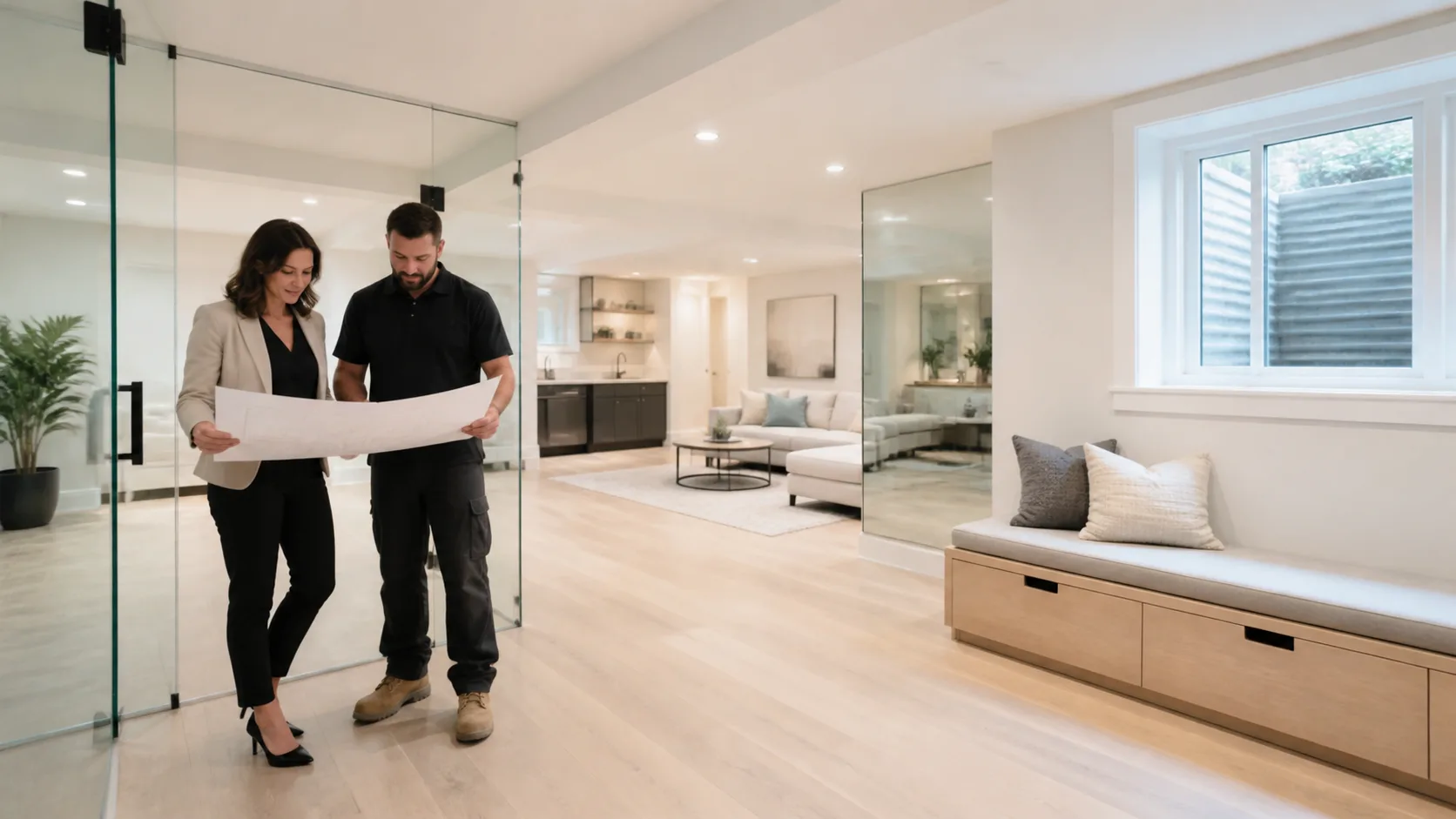
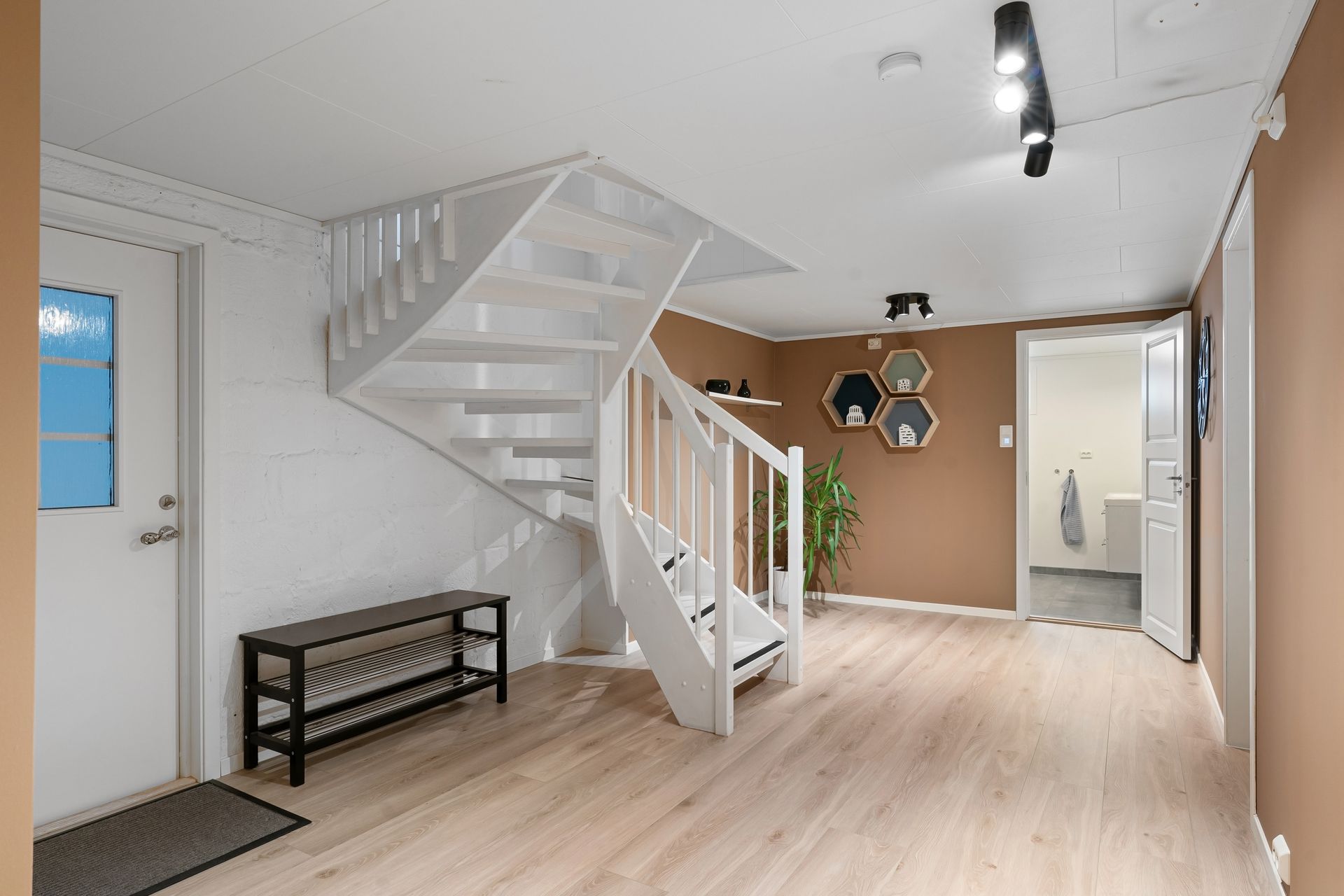
As housing costs rise across the GTA, many Toronto homeowners are looking at their basements in a new way. That empty or underused space can become a legal apartment that helps pay the mortgage, supports family members, or simply adds long-term value to the home. Done properly, a basement suite is not just a quick renovation; it is a permanent upgrade to the property.
In this article, we will talk about how legal basement apartments work, why legal status matters, and how experienced legal basement apartment contractors in Toronto can guide the process. We will walk through timing, key design ideas, and what Toronto owners should know about codes and safety before starting.
Turn Your Basement Into a Legal Income Stream
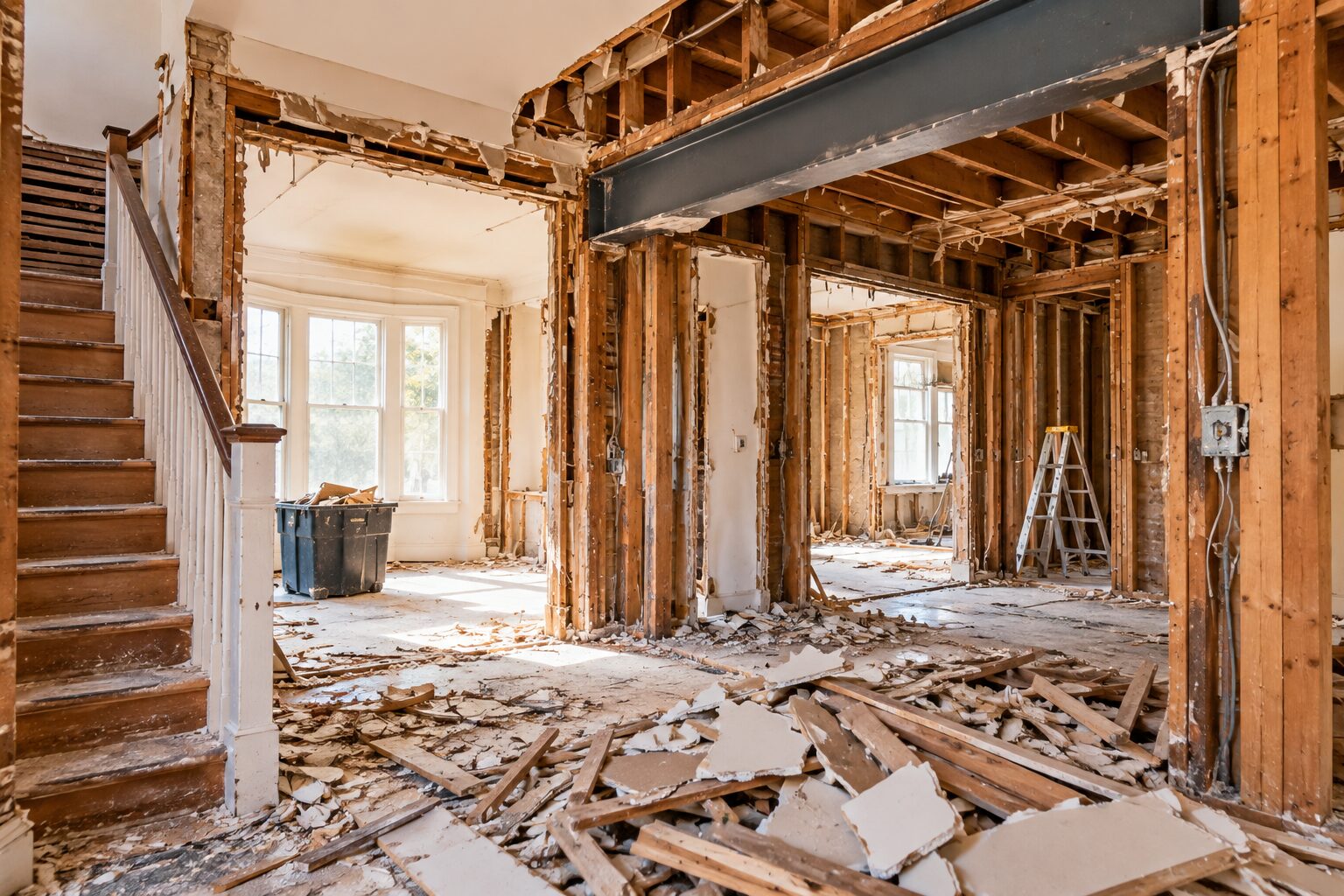
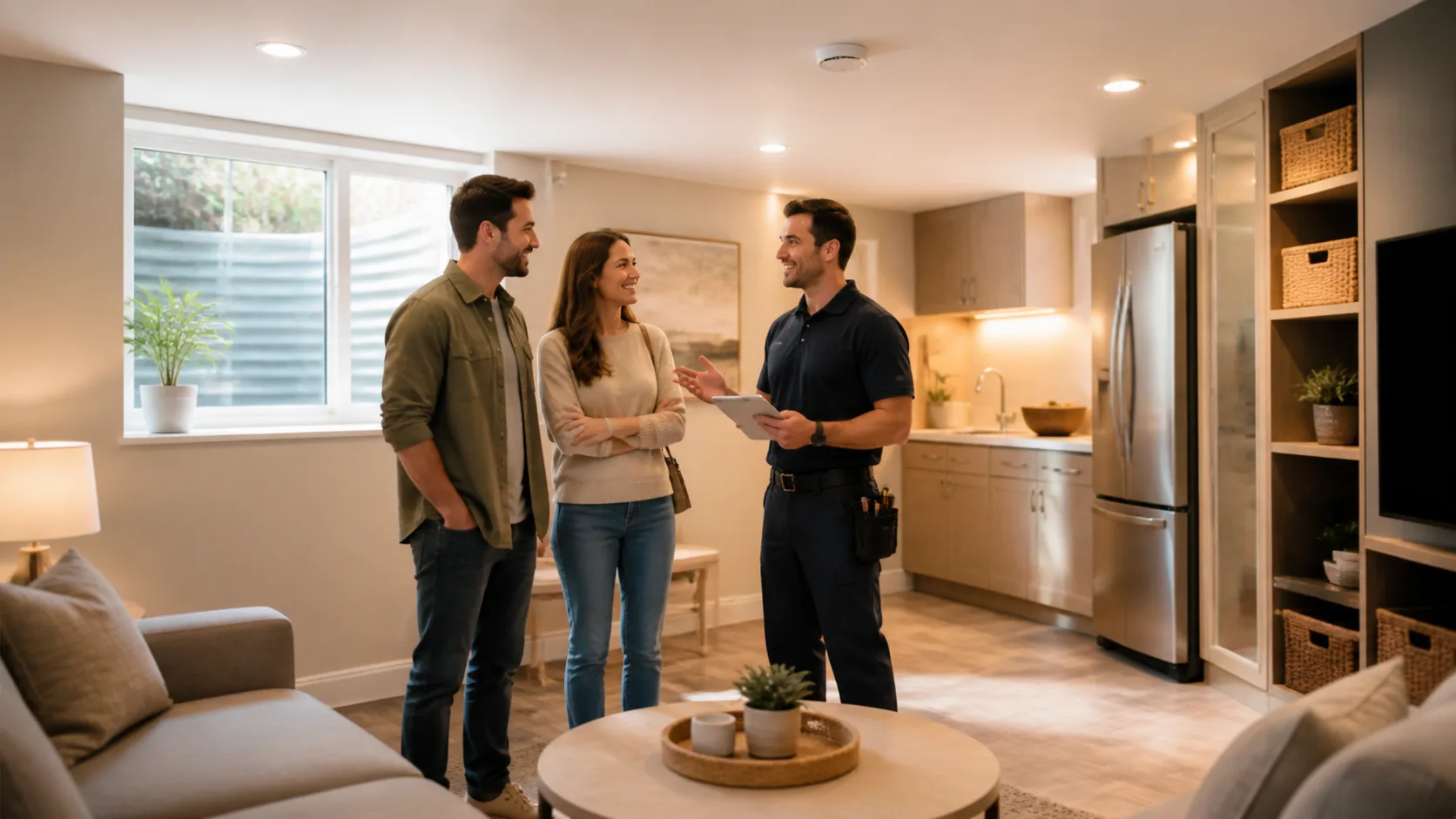
When the weather cools and people spend more time indoors, many homeowners start looking closer at their space. The basement often stands out. Maybe it is a dated rec room, a storage zone, or a mix of both. With the right planning, that same area can become:
- A legal rental unit that helps offset monthly mortgage payments
- A comfortable suite for aging parents who want to stay close
- A private space for adult children who are not ready to buy yet
Across the GTA, many owners are using basement apartments to create long-term flexibility. A legal unit can shift over time from family space to rental, or back again, depending on what life brings.
The key is working with experienced legal basement apartment contractors in Toronto who understand how to turn that idea into a safe, code-compliant suite. That is what protects your investment and keeps the space useful for years, not just for the next season.
Why Legal Status Matters More Than Ever
There is a big difference between a finished basement and a legal secondary suite. A finished basement might have drywall, flooring, and a bathroom. A legal unit has to meet Toronto zoning rules, the Ontario Building Code, and fire and safety requirements for a separate dwelling.
When people skip the legal process, they take on real risks:
- Insurance may not cover issues linked to an unapproved unit
- The city can issue fines or order the unit to be decommissioned
- Poor exits or fire separation can put people in danger
- Buyers may walk away at resale if the unit is not legal
On the other hand, doing it properly from the start has clear benefits:
- Stable, long-term rental potential because the unit meets current rules
- Stronger interest from future buyers who want a legal income suite
- Peace of mind knowing inspectors have checked fire safety and structure
Legal status is not just paperwork. It is the difference between a space that works for a few years and one that adds lasting value to your Toronto home.
How Legal Basement Apartment Contractors in Toronto Add Value
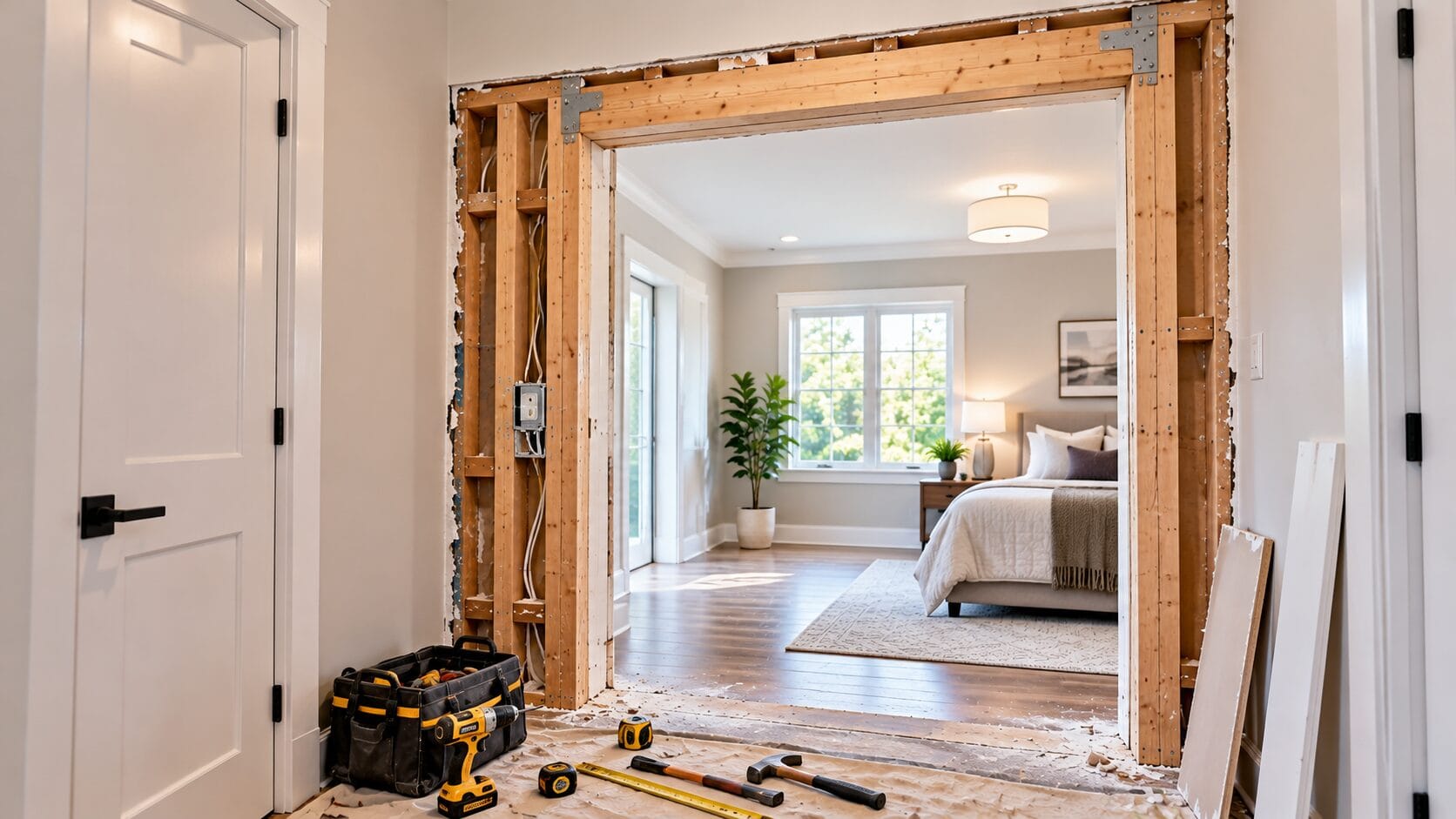
Legal basement apartment contractors in Toronto do far more than put up walls and install fixtures. They guide the full process so you are not guessing what is allowed or who to speak with at each step.
A good contractor will typically handle:
- Initial feasibility checks based on your lot, house layout, and local rules
- Design that meets code while still feeling bright and livable
- Permit drawings, submission, and communication with the city
- Coordination of inspections and final sign-off
On the design side, small choices can make a big difference to tenants:
- Thoughtful window placement to bring in as much natural light as possible
- Soundproofing between floors so both units feel private
- Clear, safe separate entrances so the suite feels independent
- Smart storage built into nooks and under stairs
Contractors who regularly build legal suites in Toronto understand local bylaws, parking rules, and what inspectors typically expect on site. That experience helps avoid delays, rework, and last-minute surprises that can slow a project down.
Planning Your Project for Fall and Winter Timelines
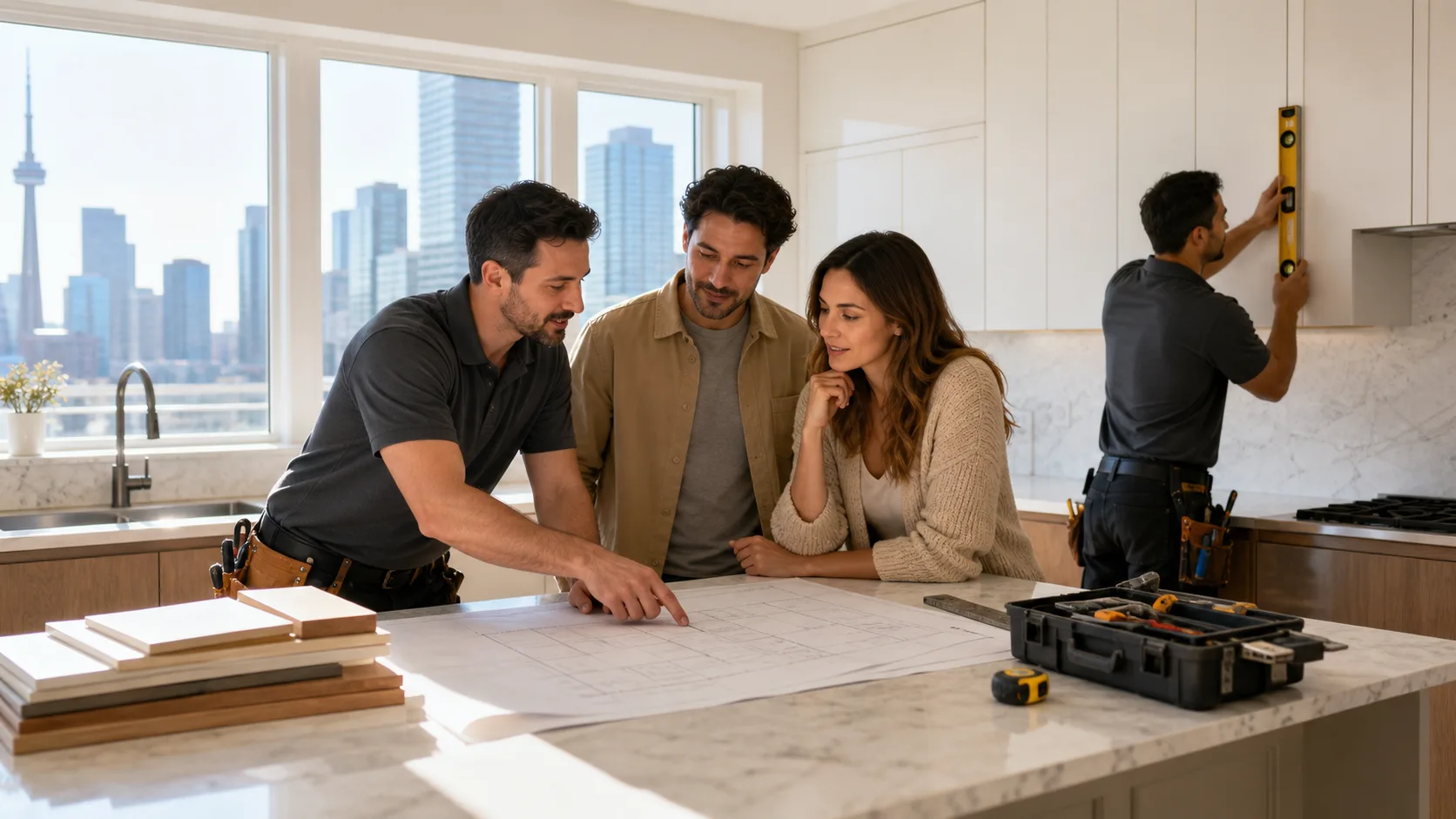
For many homeowners, early fall is a natural time to start a basement project. Most of the work happens indoors, which lines up well with cooler months. With good planning, your main living areas can stay comfortable while work is focused downstairs.
A rough, realistic timeline often includes:
- Initial consultation and measurements
- Design, drawings, and layout decisions
- Permit application and city approvals
- Construction, trade work, and inspections
- Final finishes, cleanup, and suite setup
This full path usually spans several months, so it helps to plan backward from your goal. If you want tenants in place for the busy spring rental season, for example, you would start design and permits well before winter, then use the colder months for construction and inspections.
Thinking about timing early keeps the project steady and reduces the stress of rushing important decisions later.
Key Design and Code Essentials Toronto Owners Must Know
Before starting, it helps to know some of the main code and design points that often shape a legal basement suite in Toronto. While every home is different, there are some common requirements:
- Minimum ceiling heights in main living areas
- Proper egress windows or doors so people can exit safely in an emergency
- Dedicated heating and ventilation for comfortable, healthy air
- Fire separation between units, often including rated ceilings and doors
From a tenant comfort point of view, must-have features usually include:
- A real kitchen with proper appliances and workspace
- A full bathroom with good lighting and ventilation
- In-suite laundry where space and layout allow
- Storage solutions and durable finishes that can handle basement moisture
A contractor like Jacko Contracting looks at all these pieces together. The goal is not just to pass inspection, but to create a space that feels bright, open, and welcoming. That can mean creative layouts, careful lighting plans, and material choices that resist wear and moisture without making the suite feel cold or basic.
Why Partner with Jacko Contracting for Your Basement Suite
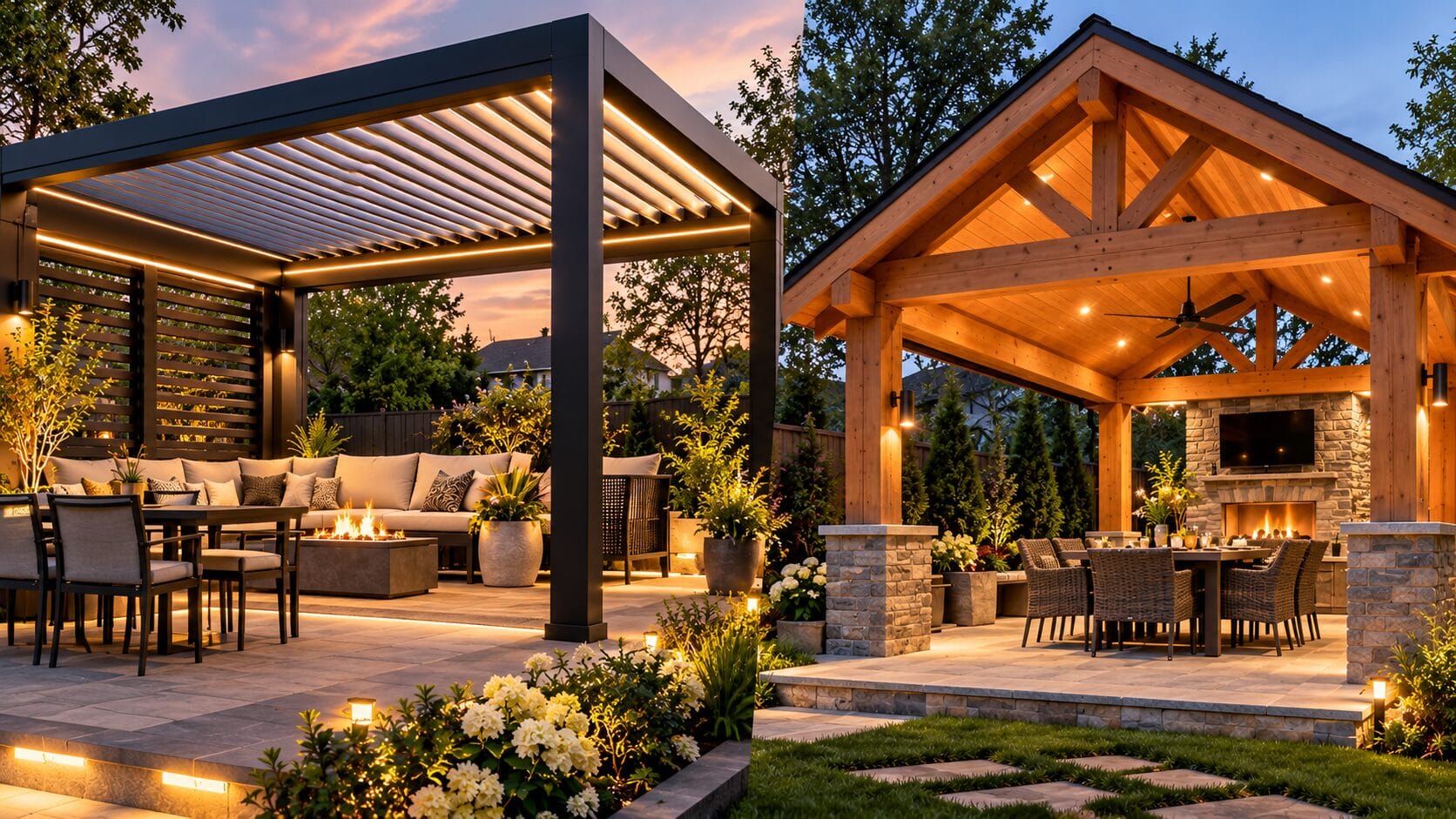
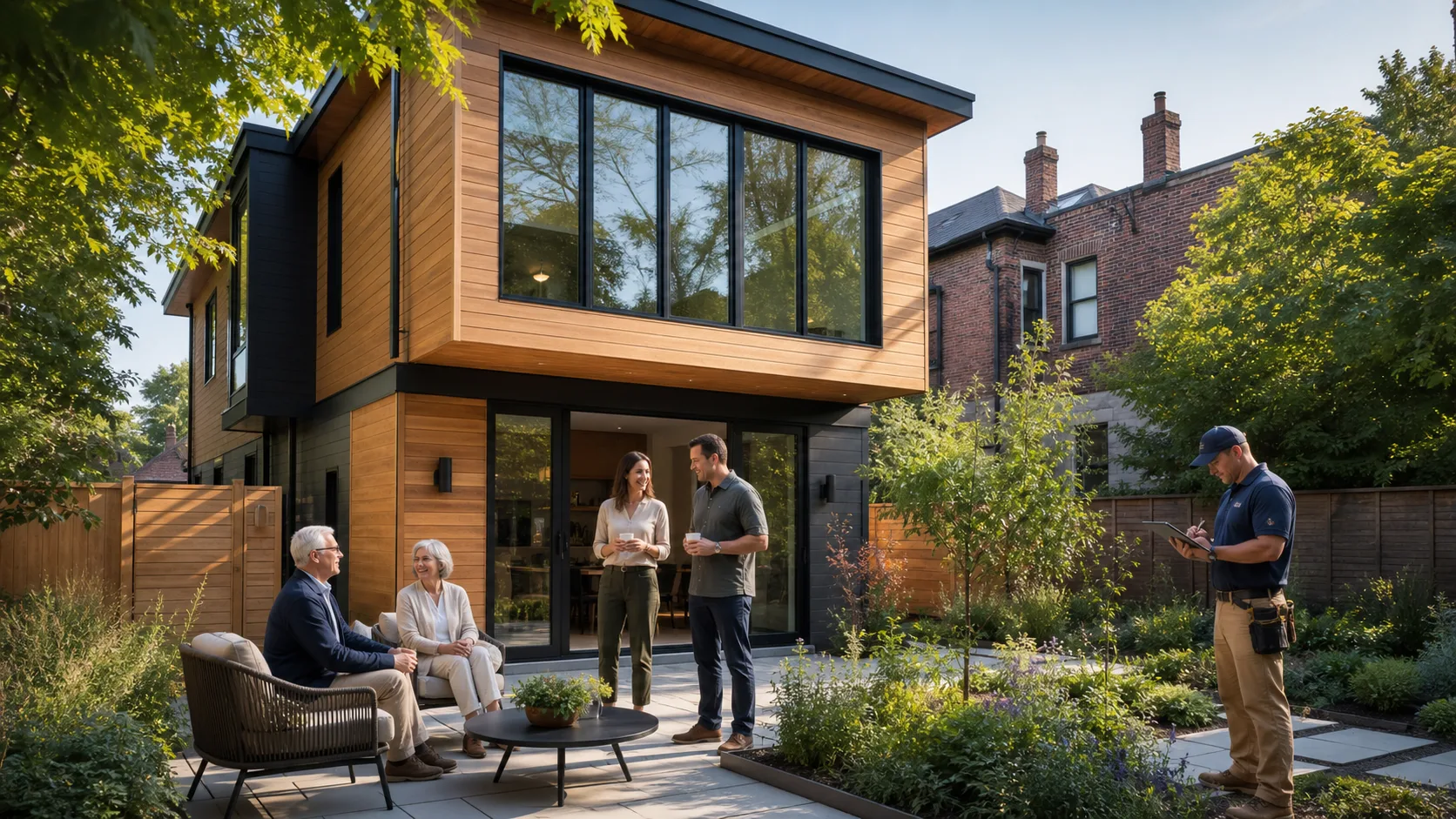
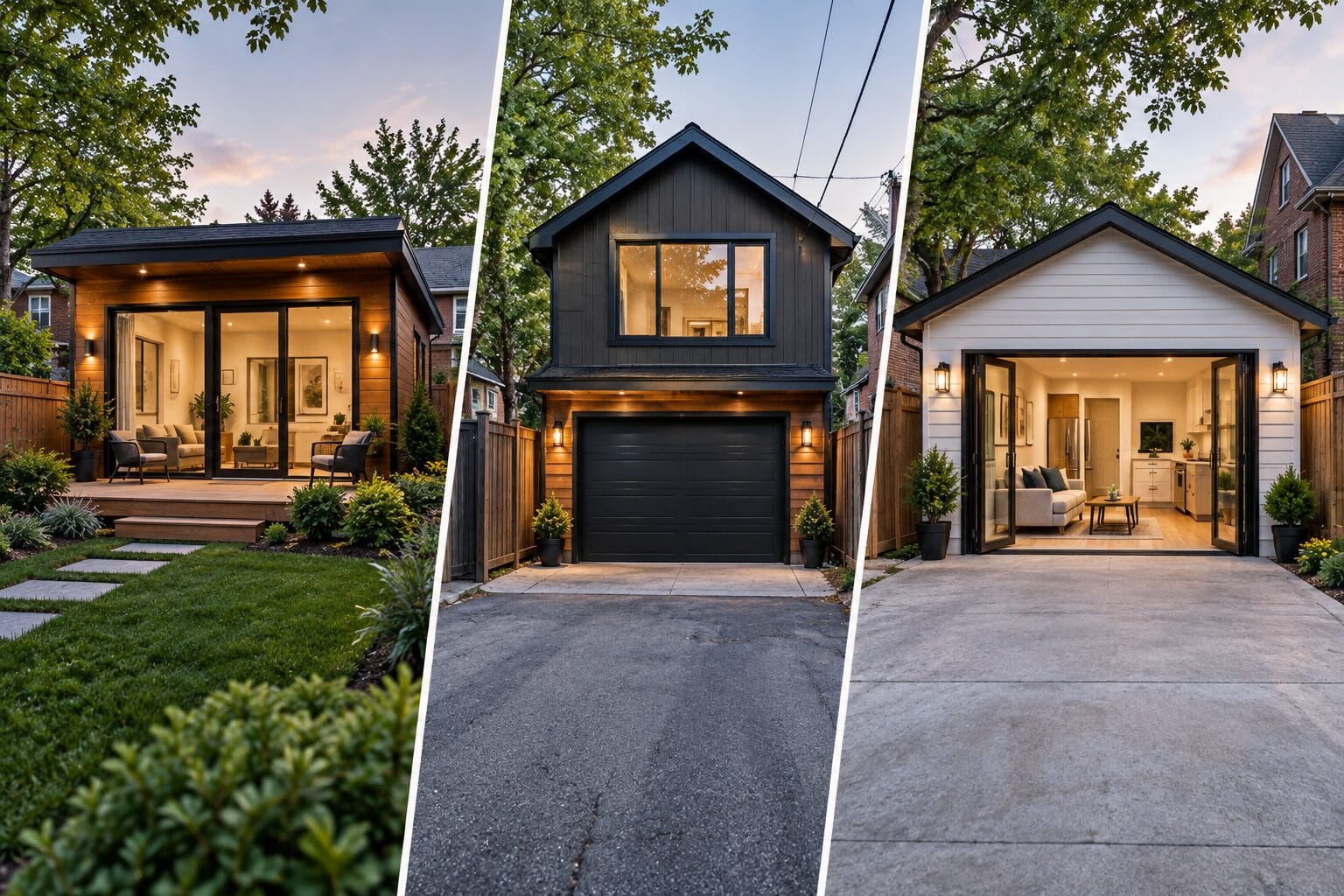
At Jacko Contracting, we are based in Toronto and focus on home renovations, custom builds, outdoor living spaces, and legal income property projects across the GTA. That includes basement suites and garden units, so we are familiar with local municipal processes, zoning rules, and what inspectors typically look for in legal secondary units.
We take a full-service approach from the first visit to final inspection. Our team works with you on custom design, prepares and submits permit drawings, manages construction, and keeps communication clear so you always know what is happening in your home. When fall arrives and attention turns indoors, a well-planned legal basement apartment can turn unused space into long-term value for your family and your property.
Get Started With Your Project Today
If you are ready to turn your basement into a safe, code-compliant rental suite, our team at Jacko Contracting is here to help you plan every detail. As trusted Legal basement apartment contractors in Toronto, we focus on proper permitting, smart layouts, and quality finishes that add real value to your home. Reach out to us today to discuss your goals, timeline, and budget, and we will provide a clear path forward. You can also contact us to schedule a consultation and get started.