Choose the Right Wall for Your Landscape Project
Homeowners often make the mistake of thinking that all the walls in the garden are the same when embarking on their landscape project. Although garden walls and retaining walls may look alike, they are built for entirely different purposes. It is important to know the differences so that you can make the right choice.
The choice of wall to erect is determined by the landscape and condition of your yard, as well as the reason why you want to build the wall. While some walls are erected for aesthetic purposes, others are meant to serve structural purposes like holding the soil, handling grade change, and ensuring proper drainage. If the wrong wall is chosen, then the whole landscape will be affected.
Jacko Contracting specializes in assisting homeowners living within the GTA to create an area outside their home that is not only practical but also aesthetically pleasing. This article will define The Difference Between Garden Wall and Retaining Wall, and show where each wall is usually constructed.
What Is a Garden Wall?
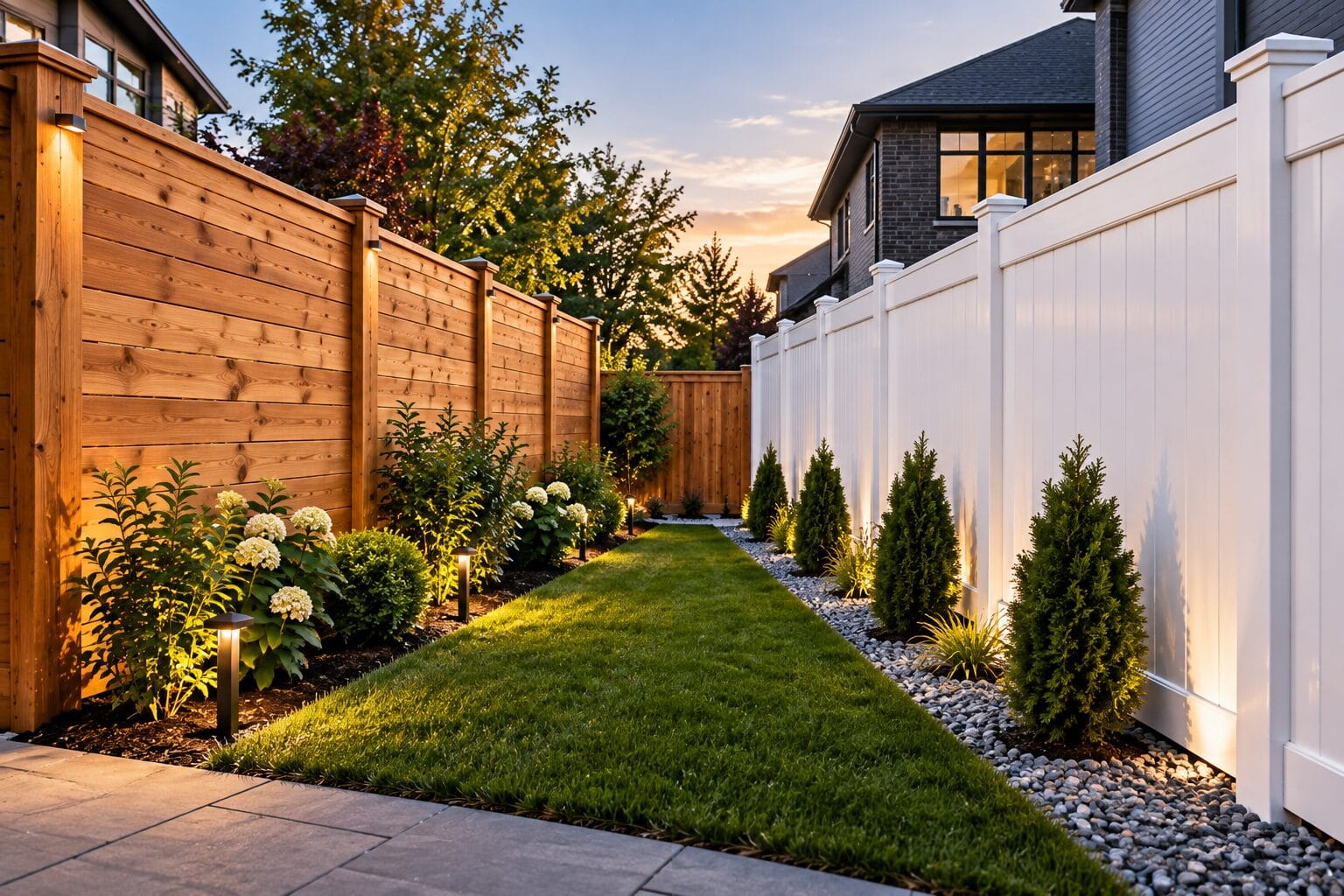
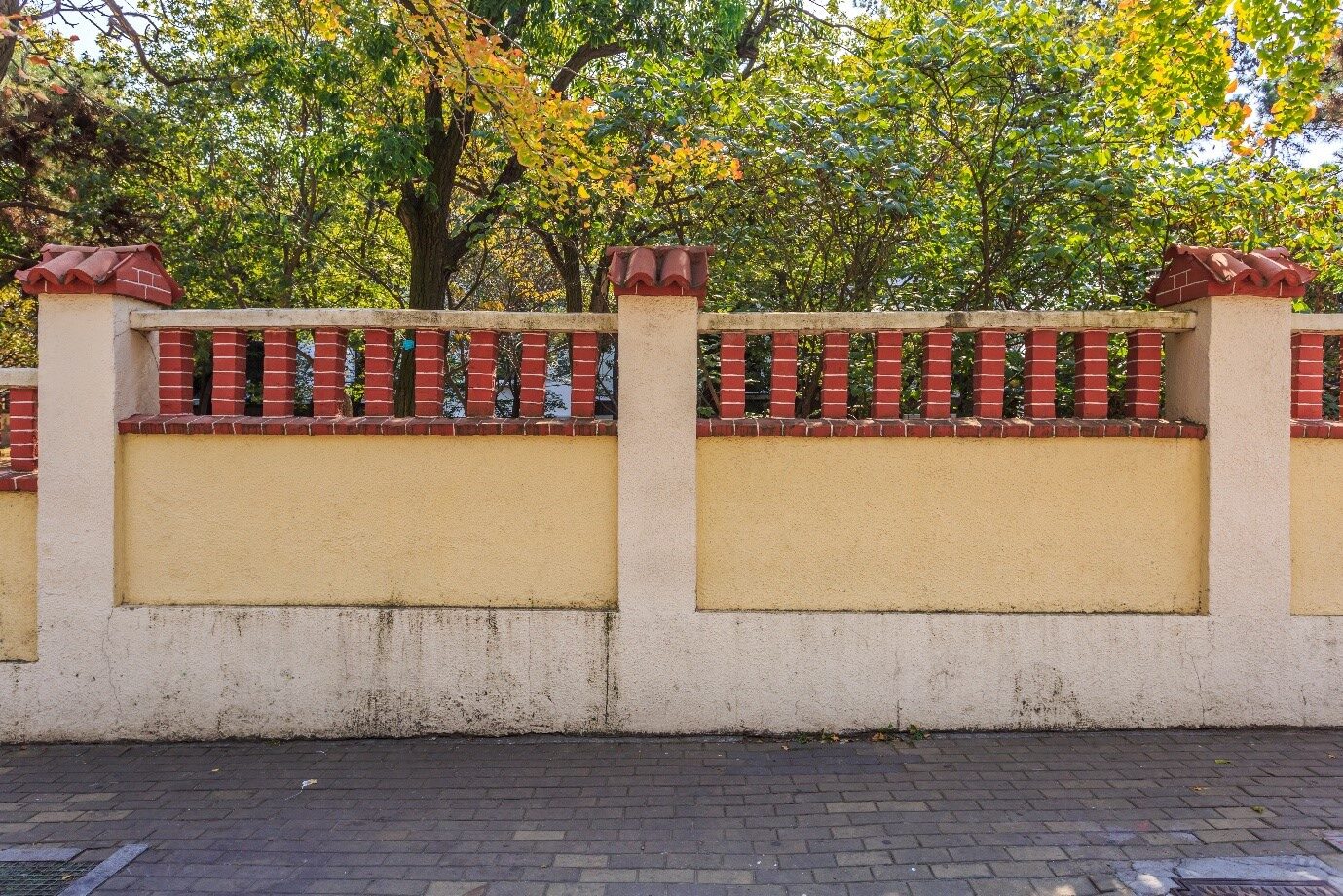
The garden wall is basically a form of landscaping structure used to delineate spaces in your garden area. The purpose of the wall is mostly for aesthetic purposes, although it can offer some level of support to gardens or raised planters, but not heavy soil-retaining capabilities.
A Garden Wall is commonly used for:
- Creating borders around flower beds
- Defining walkways and patios
- Framing outdoor living spaces
- Building raised garden beds
- Enhancing curb appeal
A garden wall purpose of improving the overall landscaping design in your yard and bringing about some form of structure and appeal to the landscape. The walls involved in this type of purpose are normally low and aesthetic.
What Is a Retaining Wall?
While a garden wall is just for beautification purposes, a Retaining Wall is constructed to keep the soil in place and manage slopes. Retaining Walls are used in sloping landscapes to help prevent soil erosion.
The primary Retaining Wall Purpose includes:
- Holding back soil on sloped landscapes
- Preventing erosion
- Managing drainage
- Creating level outdoor areas
- Supporting driveways, patios, or other structures
Retaining walls are subject to considerable soil pressure and thus need appropriate planning and design in addition to drainage considerations during construction. Some projects may even require engineering and licensing in some cases.
Garden Wall vs Retaining Wall: What Sets Them Apart?
Although both structures can enhance your landscape, their design and construction differ considerably.
The main differences include:
- Garden walls are primarily decorative, while retaining walls are structural.
- Garden walls typically support little or no soil pressure.
- Retaining walls are designed to withstand heavy lateral loads.
- Retaining walls require proper drainage systems behind the wall.
- Construction methods vary depending on the wall’s intended purpose.
In terms of the comparison between Garden Wall vs Retaining Wall, the major difference lies in their purpose. If your project includes elevation changes or slope stabilization, then a retaining wall would be the one to choose. But if you just want to improve the look of your garden, then a garden wall might do.
Construction Requirements Are Very Different
Although the installation process may appear similar, Garden Wall Construction is generally much simpler than building a retaining wall.
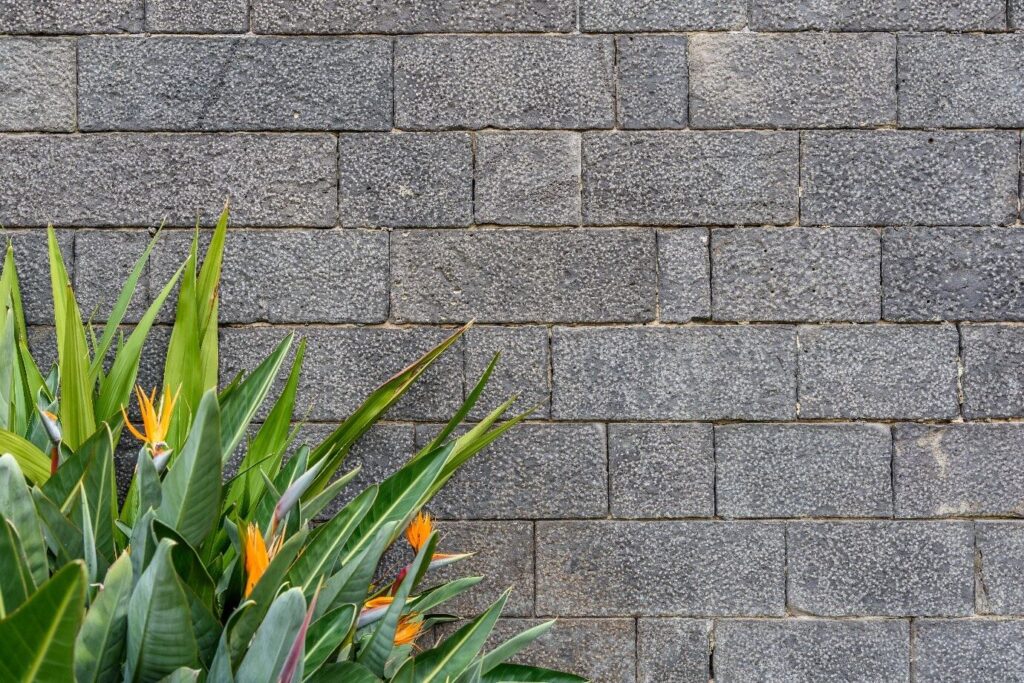
A typical garden wall often involves:
- Basic excavation
- A compacted base
- Decorative wall blocks or stone
- Minimal drainage considerations
By comparison, Retaining Wall Construction often requires:
- Deeper excavation
- Engineered base preparation
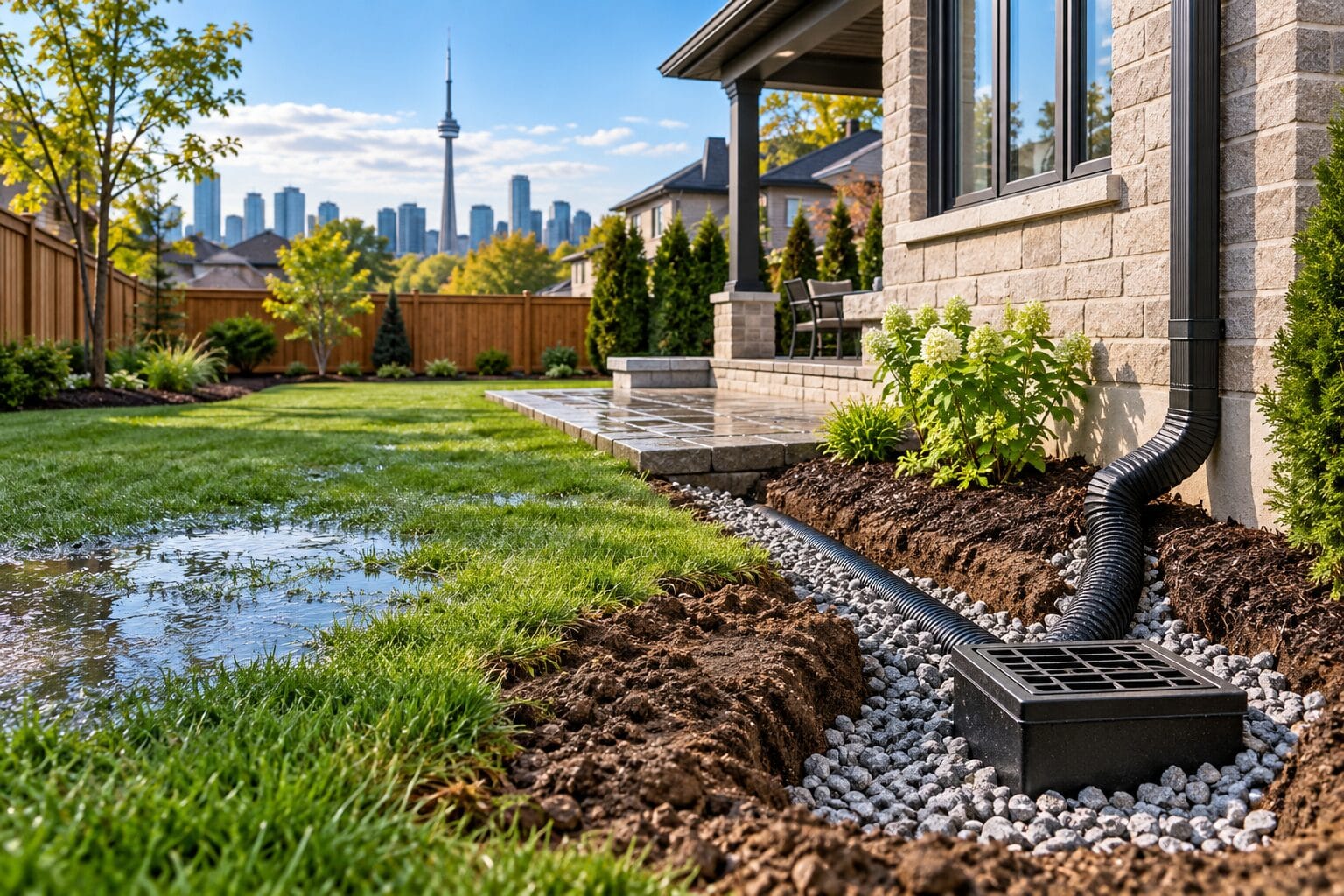
- Drainage gravel and perforated pipe
- Geogrid reinforcement for taller walls
- Careful grading and compaction
Because retaining walls support substantial loads, every stage of construction contributes to the wall’s long-term stability and performance.
Which Option Is Best for Your Property?
Choosing the right wall depends on your landscape goals and existing site conditions. Before deciding, consider how the wall will function within your overall outdoor design.
A garden wall is often the better choice if you want to:
- Add visual appeal to your landscape
- Create borders or planting areas
- Define outdoor spaces
- Build decorative raised gardens
A Landscape Retaining Wall may be the better option if you need to:
- Control erosion
- Stabilize a sloped yard
- Create level spaces for patios or lawns
- Support soil around structures
At Jacko Contracting, we examine your property to determine the best solution for you. Knowing what your landscape is like, we can install a fence that will be effective and also look great!
Why Professional Planning Matters
When constructing your garden wall for decoration or a retaining structure, planning is very important. Such things as the nature of the soil, drainage, grading, and materials used will all affect the performance of the wall.
Experienced contractors also consider:
- Property slope
- Water drainage patterns
- Local building requirements
- Material durability
- Long-term maintenance needs
Taking these factors into account early helps prevent future problems while ensuring the wall complements the rest of your landscape.
Build the Right Wall for Your Outdoor Space
Making a Difference Between Garden Wall and Retaining Wall is an important part of selecting a solution that will work best for you. Though both can enhance your landscape, each has its unique features and considerations in terms of construction and planning. At Jacko Contracting, we provide solutions that range from ornamental garden walls to retaining walls designed specifically according to the needs of your landscape. From creating an aesthetic front yard to building a usable space out of your sloping backyard, Jacko Contracting is there to help you. Talk to us today about all your landscaping needs.