Table of Contents
When Water Finds a Way, It Rarely Leaves Quietly
A basement, when compromised by moisture, becomes more than an inconvenience—it transforms into a silent saboteur. Damp air lingers like an unwelcome guest, structural integrity begins to erode, and what once felt like extra living space slowly morphs into a liability. Basement waterproofing is not merely a repair tactic. It is a defensive architecture—your home’s unseen shield against intrusion from below. Yet homeowners often stand at a crossroads: interior or exterior waterproofing? The answer is rarely universal; it hinges on context, budget, and the severity of the issue. Let’s unravel both methods with clarity and precision.
Understanding Basement Waterproofing at Its Core
At its essence, basement waterproofing is the art—and science—of preventing water infiltration. Whether that water seeps through microscopic cracks or pushes aggressively through foundation walls, the objective remains the same: divert, block, and control. Some homes whisper early warnings—musty odors, faint discoloration, subtle dampness. Others shout through visible leaks and pooling water. Ignoring either is like ignoring a hairline fracture in glass—it only widens.
Interior Basement Waterproofing: Managing Water from Within
Interior waterproofing does not fight water at the perimeter. Instead, it accepts a simple truth: water may enter, but it will not stay.
How It Works
This method channels water once it breaches the foundation. Systems typically include:
- Interior drainage channels
- Sump pump installation
- Vapor barriers along walls
- Sealants for minor cracks
Water is redirected efficiently—like guiding a river into a controlled canal.
Advantages
- More economical compared to exterior systems
- Faster installation with minimal excavation
- Ideal for minor leaks or condensation issues
- Less disruption to landscaping
Limitations
- Does not prevent water from entering the structure
- Hydrostatic pressure remains unaddressed
- Long-term exposure to moisture may affect foundation durability
Interior waterproofing is a management strategy—not a full barricade.
Exterior Basement Waterproofing: Stopping Water at the Source
If interior systems are reactive, exterior waterproofing is decisively proactive.
How It Works
This approach intercepts water before it ever touches your foundation walls. It involves:
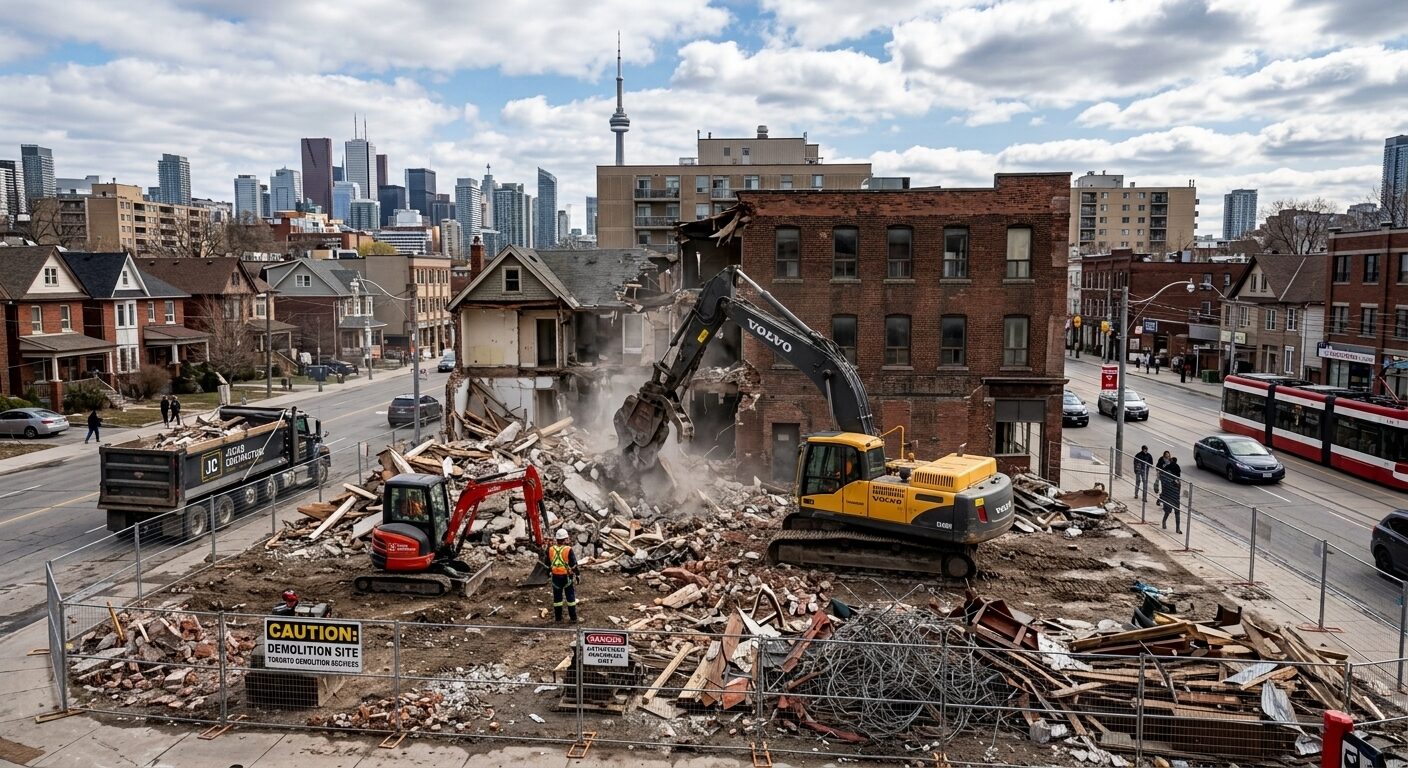
- Excavating soil around the home
- Applying waterproof membranes to exterior walls
- Installing drainage boards and weeping tile systems
- Enhancing grading to direct water away
Think of it as wrapping your home in an impermeable cloak.
Advantages
- Prevents water intrusion entirely
- Reduces hydrostatic pressure on foundation walls
- Long-term structural protection
- Ideal for severe leakage or foundation cracks
Limitations
- Higher upfront investment
- Labor-intensive excavation process
- Temporary disruption to landscaping and outdoor areas
Exterior waterproofing is not just a fix—it’s a structural safeguard.
Interior vs Exterior Waterproofing: The Real Comparison
Factor | Interior Waterproofing | Exterior Waterproofing |
Cost | Lower upfront | Higher initial investment |
Approach | Reactive | Preventative |
Installation | Quick | Time-intensive |
Effectiveness | Moderate | High |
Structural Protection | Limited | Comprehensive |
Choosing between them is less about preference and more about diagnosis.
What Does Basement Waterproofing Cost in Canada?
Costs fluctuate depending on severity, home size, and soil conditions.
- Interior waterproofing: $70 – $150 per linear foot
- Exterior waterproofing: $150 – $300+ per linear foot
While interior solutions appear budget-friendly, repeated fixes can quietly accumulate. Exterior waterproofing, though steeper initially, often delivers enduring value.
Which Waterproofing Method Should You Choose?
There is no universal prescription—only informed decisions.
Choose interior waterproofing if:
- Moisture issues are minor or occasional
- You need a cost-effective, quick solution
- Water seepage is manageable
Choose exterior waterproofing if:
- You face persistent leaks or flooding
- Foundation cracks are visible
- You want long-term structural protection
In many cases, a hybrid approach yields the most resilient outcome.
Warning Signs You Should Never Ignore
Your basement often signals distress before major damage unfolds. Watch for:
- Persistent musty odors
- Visible mold or mildew growth
- Cracks in walls or floors
- Water stains or peeling paint
- Pooling water after rainfall
These are not cosmetic flaws—they are early alarms.
Take Action Before Damage Escalates
Concerned about water intrusion? Get a professional basement assessment today. Identify the root cause before it evolves into a costly reconstruction.
Why Homeowners Trust Professional Waterproofing Services at Jacko Contracting
✔ Certified & insured specialists
✔ Proven drainage and sealing systems
✔ Transparent pricing with no hidden costs
✔ Long-term warranty options
✔ Advanced moisture control solutions
Waterproofing is not just about dryness—it’s about durability.
Conclusion
Basement waterproofing is not a luxury—it is a necessity disguised as foresight. Whether you choose an interior system to manage water or an exterior defense to eliminate it, the decision shapes your home’s longevity. Delay invites damage. Action builds resilience. The wisest homeowners do not wait for water to rise—they act before it arrives.
Frequently Asked Questions
Interior systems can last years with maintenance, while exterior waterproofing often provides decades of protection.
Yes, especially for severe water issues. It offers comprehensive, long-term protection.
Minor sealing can be DIY, but full waterproofing requires professional expertise.
Exterior waterproofing is generally the most effective, as it prevents water entry entirely.
Absolutely. A dry, protected basement significantly enhances property value and buyer confidence.