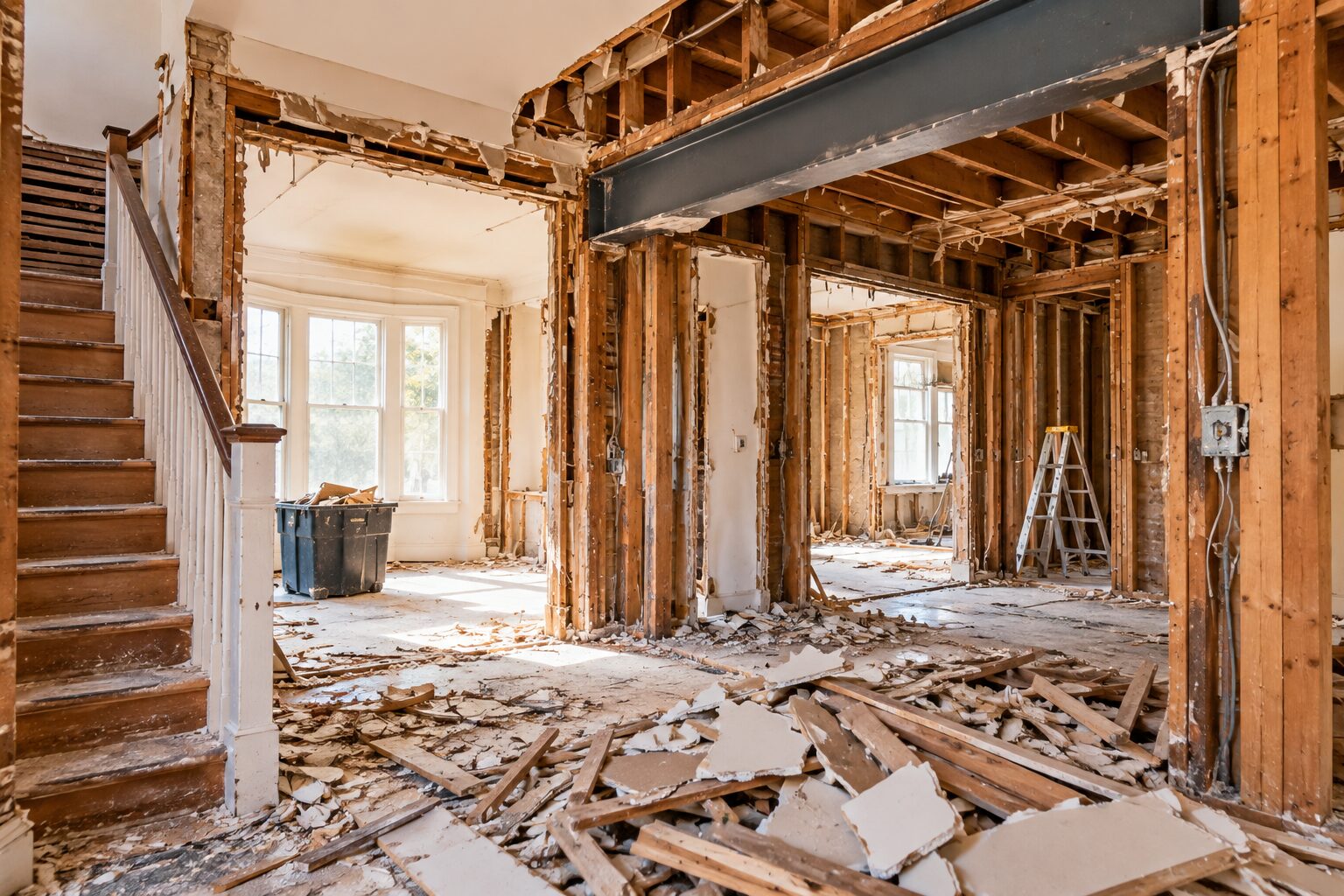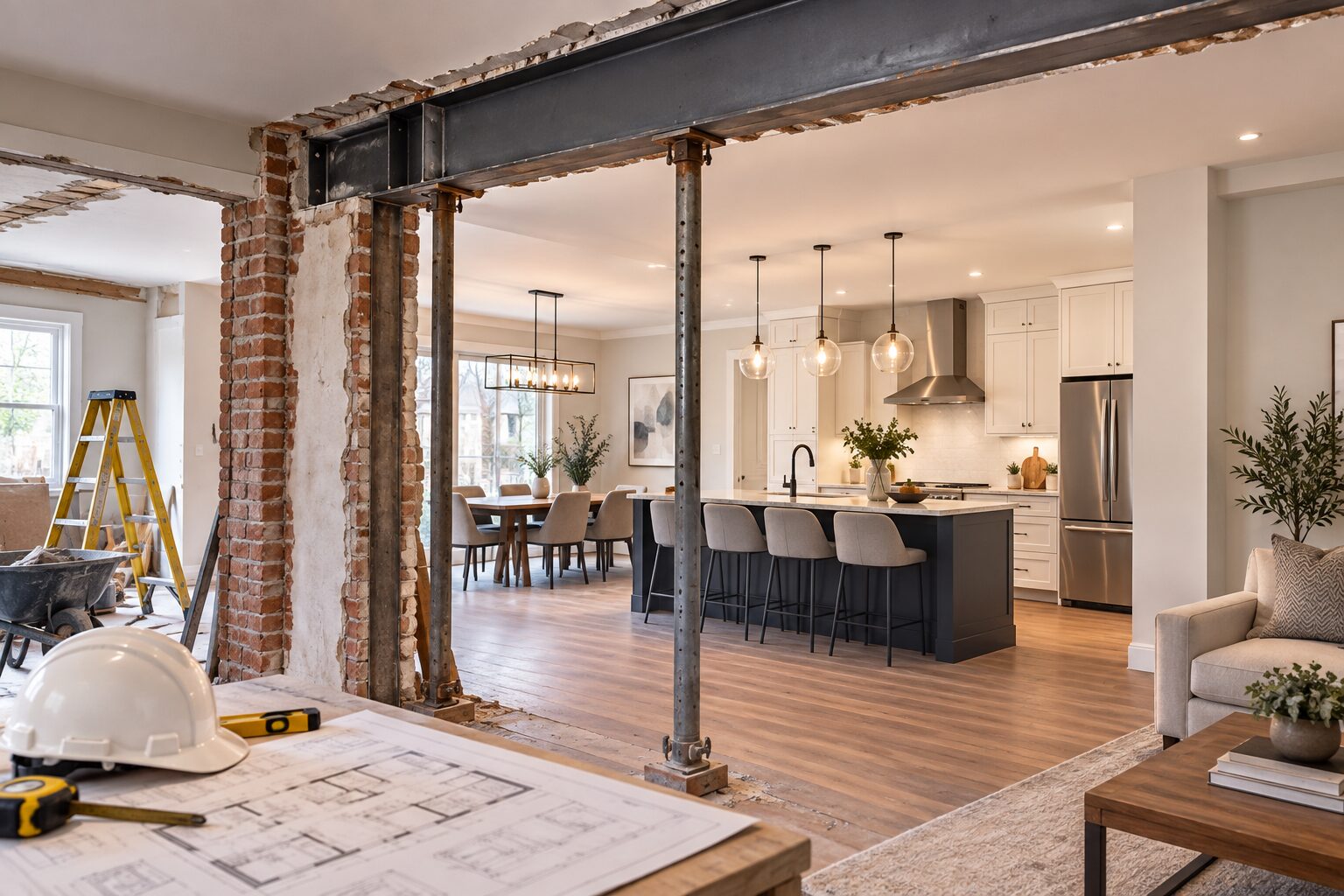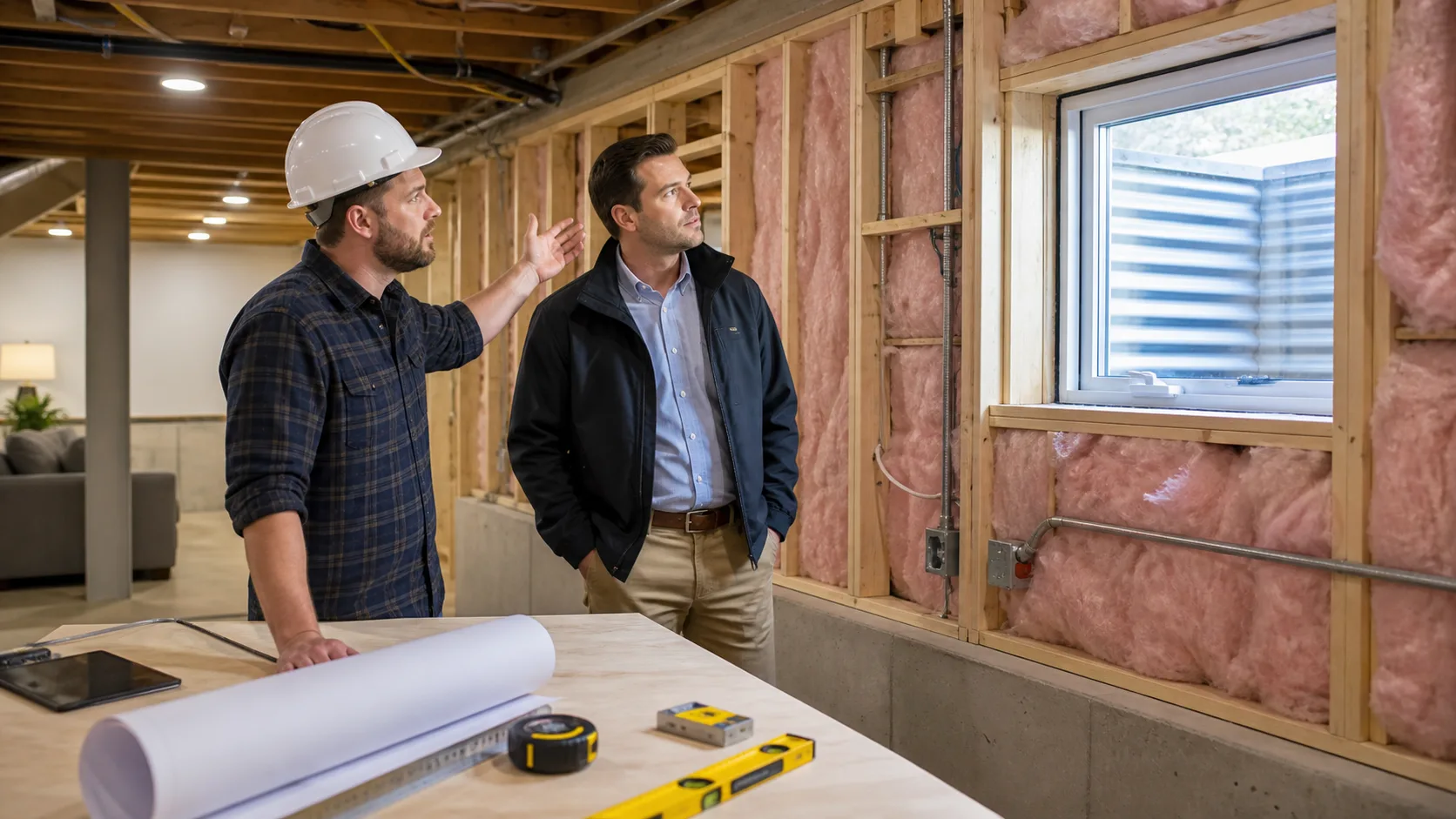
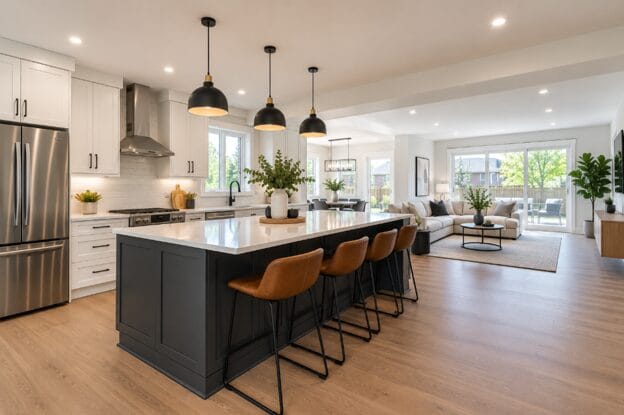
In 2026, a full-home gut and remodel in Toronto averages between $150 and $250 per square foot. A 2,000-square-foot home renovation typically ranges from $300,000 to $500,000+, depending on structural beam installations, HVAC upgrades, and premium finish selections. Home Remodeling in Toronto has shifted from a purely cosmetic upgrade into a long-term investment in comfort, energy efficiency, and resale value.
Why Home Remodeling in Toronto Makes Sense This Year
Toronto’s housing market continues to reward homeowners who invest wisely in their properties. Instead of chasing a bigger house across the city, many families are choosing to reshape the home they already have, and a few factors are driving that shift:
- Rental and Remote Work Potential: A finished basement can become a rental suite or a home office, adding both function and income potential.
- Everyday Livability: An outdated kitchen can be turned into the space where everyone actually wants to gather, rather than one everyone avoids.
- Aging Housing Stock: Neighbourhoods like the Danforth, Leslieville, and North York are full of homes built decades ago with layouts and electrical systems that no longer match how people live today.
- Steady Demand For Expert Help: This mindset is part of why Home Renovation Services Toronto providers have seen consistent demand, even as material costs and interest rates shift the broader housing conversation.
Renovation Trends Shaping 2026
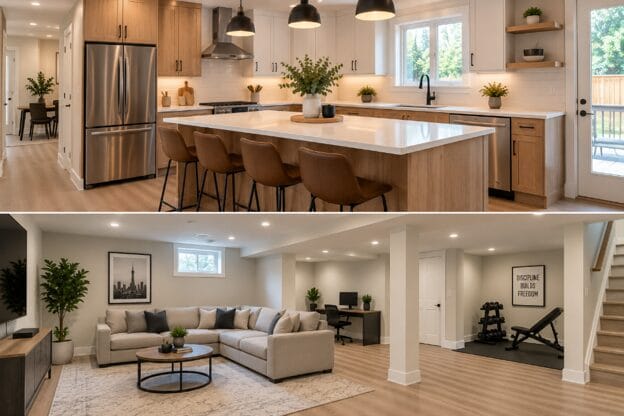
Design in 2026 is leaning toward spaces that feel personal rather than purely trendy. A few themes stand out this year:
- Open Concept With Defined Zones: Homeowners still want open sightlines between the kitchen and living area, but they are adding subtle dividers, such as half walls or level changes, so each zone still feels distinct.
- Warmer, Richer Colour Palettes: After years of grey and white dominating interiors, deeper greens, warm neutrals, and natural wood tones are becoming the new standard, especially in kitchens and powder rooms.
- Flexible Basements: With more people working from home part-time, finished basements are increasingly built to serve multiple purposes: a home office during the week and a media room or guest space on weekends.
- Energy Efficiency as a Priority: Better insulation, energy-efficient windows, and smart thermostats are showing up in nearly every renovation scope, partly because Toronto winters make heating costs a real concern.
- Quality Over Quantity: Rather than gutting an entire home at once, many owners are phasing projects and choosing durable materials that will still look good a decade from now.
Permits, Costs, and What to Expect
One of the most common questions homeowners ask before starting a project is whether they need a permit. Here is a quick breakdown of what typically applies:
- Permit required: structural changes, plumbing work, significant electrical work, or HVAC modifications.
- Permit usually not required: purely cosmetic updates, such as painting or replacing flooring in an already finished room.
- Timeline: processing can range from a few weeks for straightforward work to several months for larger additions or anything requiring a variance.
Cost follows a similar pattern. Kitchens and bathrooms tend to carry the highest cost per square foot because of plumbing, electrical, and cabinetry work, while basement finishing is often more budget-friendly per square foot but adds moisture control considerations that older Toronto homes need to take seriously.
Working with a contractor who handles permit applications directly can save homeowners a significant amount of back and forth with the city.
Where Most Projects Begin: Kitchen, Bathroom, and Basement
For most Toronto homeowners, a remodel starts in one of three places, largely because these rooms see daily use and tend to offer the clearest return once the project is finished:
- Kitchens: The room people renovate most often, since it is the space families actually spend time in every day and one of the better rooms to invest in if resale value matters down the road.
- Bathrooms: A close second, with homeowners now treating even powder rooms as a design opportunity rather than an afterthought.
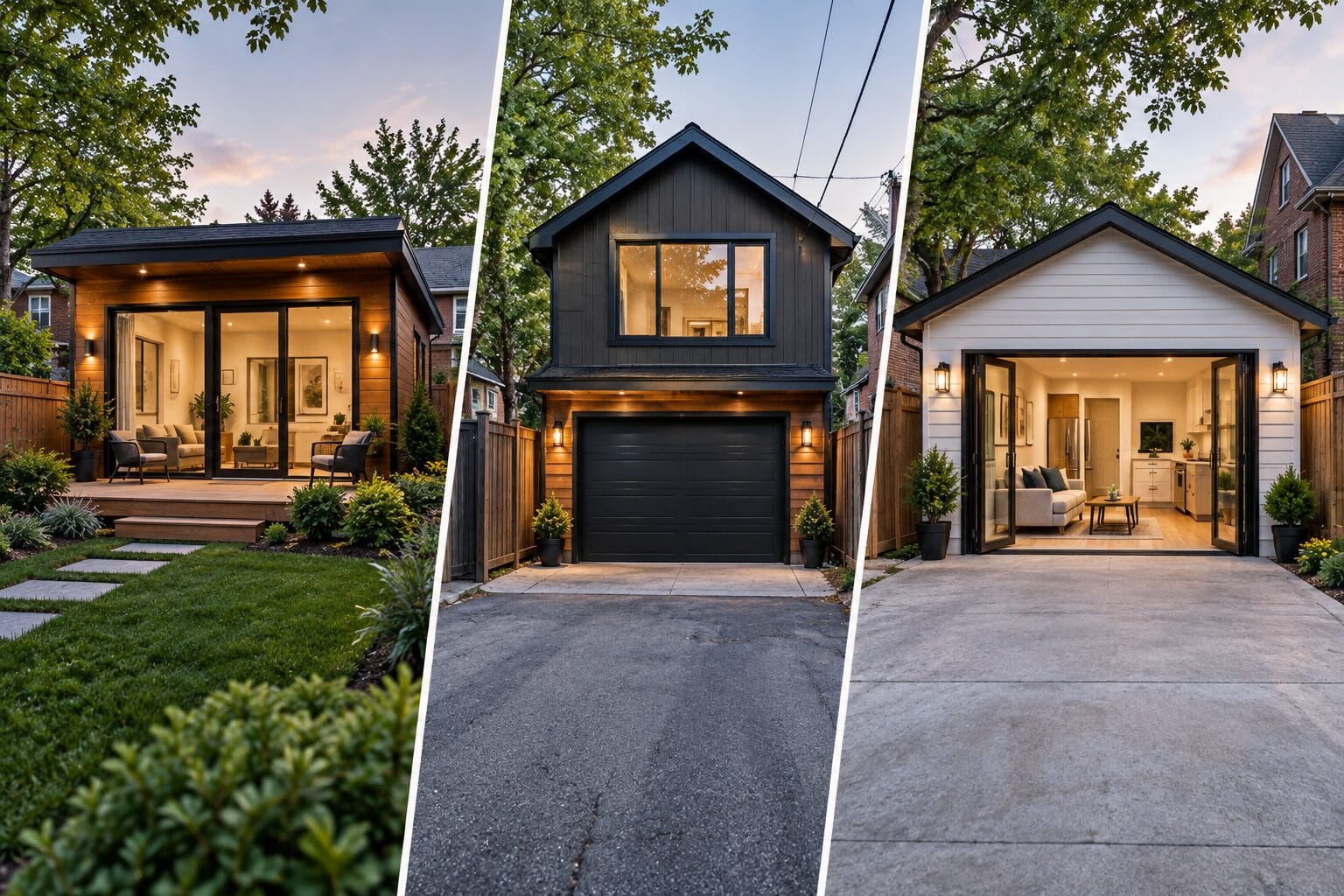
- Basements: Often converted into legal suites, home gyms, or simple additional living space that adds real square footage without the cost of a full addition.
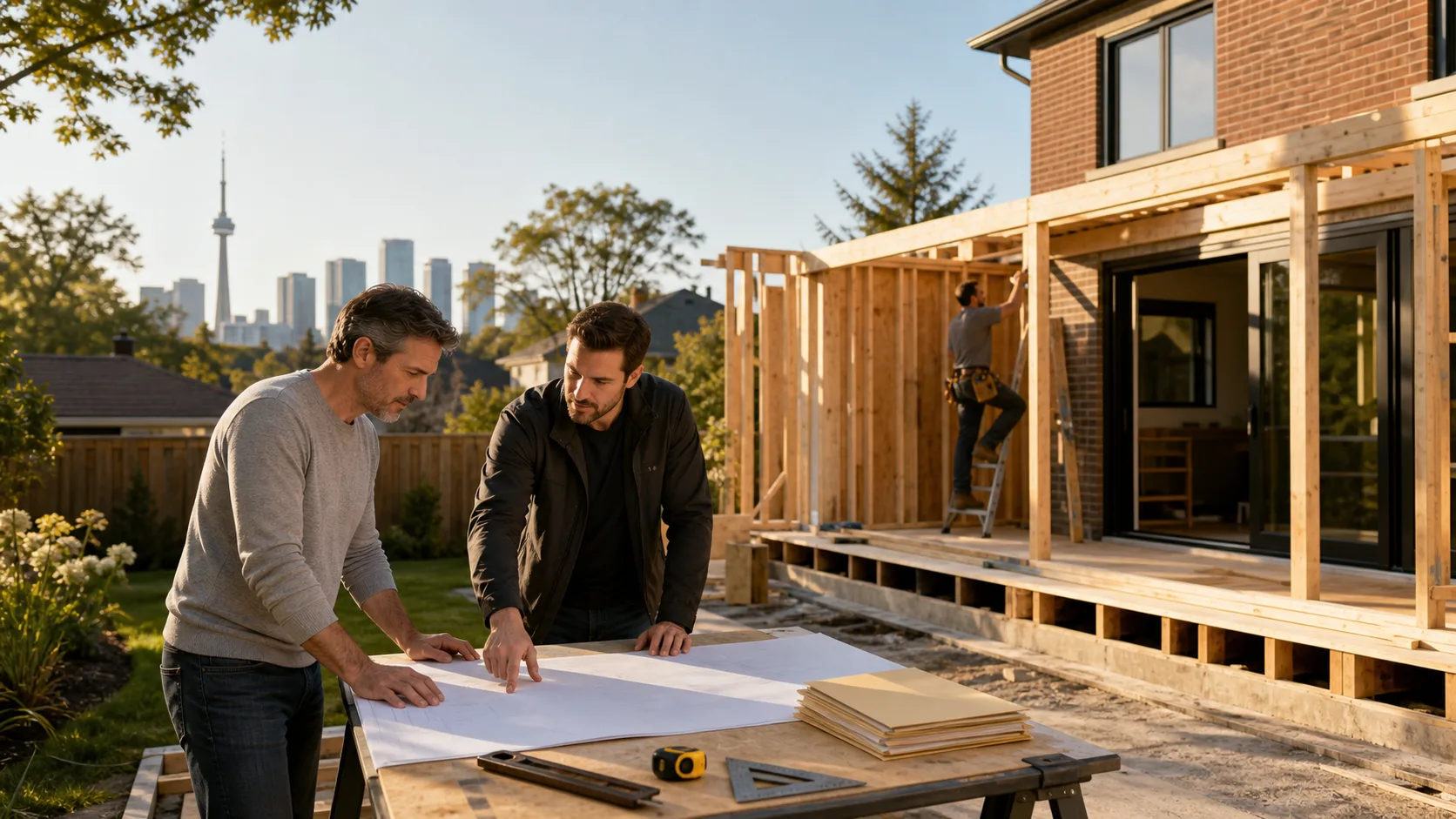
Whichever room you start with, the same planning steps apply: set a realistic budget before falling in love with finishes, confirm what permits the scope will require, and get a clear written quote so there are no surprises once demolition begins.
Choosing a Renovation Partner You Can Trust
The quality of your remodel depends as much on who you hire as it does on the materials you choose. Before signing a contract, look for a contractor who can check these boxes:
- Licensed and insured, with proof available on request.
- Willing to walk you through the permit process from the start.
- Able to show examples of completed work similar to your project.
- Clear about how they handle unexpected issues, since older homes often hide surprises once walls are opened.
- Consistent in communication, from the first consultation through final inspection.
Final Thoughts
Home remodeling in Toronto in 2026 is less about chasing the latest design fad and more about building a home that fits how you actually live, works efficiently through Toronto winters, and holds its value over time.
Whether you are planning a full kitchen overhaul, a legal basement suite, or a smaller bathroom refresh, the right planning and the right team make all the difference. Jacko Contracting brings the licensing, experience, and local permit knowledge needed to guide your project from first consultation to final walkthrough, so your renovation is done right the first time.
Frequently Asked Questions
1. How much does a home renovation cost in Toronto?
In 2026, a full-home gut and remodel in Toronto averages between $150 and $250 per square foot. A 2,000-square-foot home renovation typically ranges from $300,000 to $500,000+, depending on structural beam installations, HVAC upgrades, and premium finish selections.
2. Do I need a permit for my renovation?
Under the Ontario Building Code (OBC), any structural alteration, plumbing stack relocation, or new electrical circuit requires a City of Toronto permit and ESA certification. Cosmetic changes such as painting generally do not require permits.
3. How long does a typical remodel take?
Bathroom remodels typically take 3 to 5 weeks of construction. Kitchen renovations run 6 to 10 weeks. Home additions and basement suite conversions take 10 to 14 weeks of construction, following a 4-to-8-week municipal permit approval period.
4. Is it better to renovate or move to a new home?
For many Toronto residents, renovating is far more cost-effective than purchasing a new house, considering the rising cost of homes in the city.
5. What renovations add the most value to a home?
Kitchen renovations recoup 75% to 80% of their cost at resale, and bathroom remodels recoup 60% to 70%, provided the work is fully permitted and professionally executed. Legal basement suites add the most value of all by converting square footage into rentable income.
Ready to Start Your Renovation?
Every successful renovation begins with a simple discussion. Whether you have a clear concept or just an inkling of what changes you would like to see, our professionals can help bring your idea to life in a realistic, well-planned way.